Most regenerative medicine conversations start with a procedure. At AgeRejuvenation, ours starts with your biology. Stem cell therapy is a type of regenerative medicine that uses the body's own undifferentiated cells to support natural repair and renewal. When collected, processed, and reintroduced appropriately, these cells can support healing processes in ways that conventional, symptom-focused care does not address.
At AgeRejuvenation, stem cell therapy starts with your biology, not a default procedure. This guide explains what stem cell therapy is, who tends to be a candidate, how the cells are collected and reintroduced, the benefits and the honest limits, how it compares with PRP, the side effects and risks, and what treatment typically costs. Because this is regenerative care, every protocol is preceded by comprehensive diagnostics and physician review.
What Is Stem Cell Therapy?
Answer: Stem cell therapy is a regenerative medicine approach that uses undifferentiated cells, usually collected from your own fat, blood, or bone marrow, to support the body's natural healing and tissue-repair processes rather than mask symptoms with ongoing medication.
Stem cells are unique because they have not yet committed to a single function, and that flexibility is what makes them valuable in regenerative medicine. When concentrated and reintroduced to a targeted area, they can supply cellular building blocks and signaling molecules the body already uses in its own healing cascade. The National Library of Medicine describes how stem cells can develop into many different cell types, which is the biology this therapy aims to put to work. At AgeRejuvenation, every protocol begins with a thorough evaluation and advanced diagnostics, so your plan is built on what your biology actually shows.
How Does Stem Cell Therapy Work?
Answer: Cells are collected from your own tissue, processed and concentrated in a centrifuge, then reintroduced by injection to a target area, all under physician oversight and according to established clinical protocols.
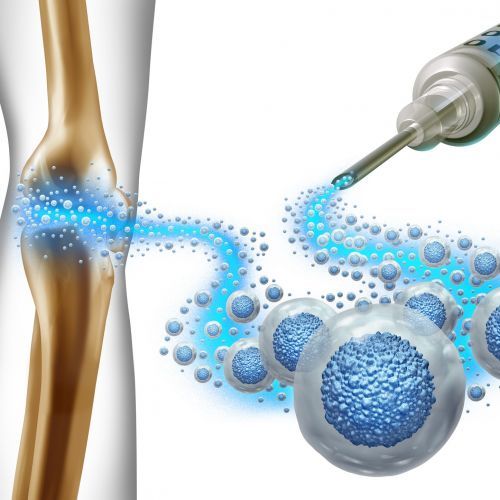
The sequence is consistent even when the details are personalized. First, a small sample of fat, blood, or bone marrow is collected. That sample is then processed to identify and concentrate the regenerative cells. Finally, those cells are reintroduced to the area being addressed. Cleveland Clinic explains how stem cells are collected, processed, and used in therapy, which mirrors the autologous, diagnostic-first approach we follow. Because the cells come from your own body, this avoids the compatibility concerns associated with donor-sourced material.
Who Is a Candidate for Stem Cell Therapy?
Answer: Good candidates are generally adults dealing with age-related tissue changes, slow cellular decline, or recovery and wellness goals who want a root-cause, regenerative option and who pass a thorough medical screening.
Stem cell therapy is not right for everyone, and candidacy is decided by evaluation, not by marketing. Patients commonly considering it are seeking to support cellular renewal as part of a longevity program, to address tissues affected by cellular aging, or to complement recovery from wear-and-tear changes. A consultation, including advanced laboratory testing, determines whether regenerative therapy is an appropriate fit for your specific situation before anything is scheduled.
What Conditions and Goals Does Stem Cell Therapy Support?
Answer: Patients most often pursue stem cell therapy for cellular regeneration goals, age-related tissue changes, general wellness and vitality, and metabolic function support, always within a physician-led plan.
The approach targets cell turnover and tissue health rather than a single isolated symptom. For longevity-minded patients, it can serve as a foundational regenerative intervention. For those noticing the effects of cellular aging, it aims to replenish regenerative signals that naturally decline over time. Many patients fold it into a broader wellness program, pairing it with other regenerative tools where the goals call for more than one intervention.
What Are the Benefits of Stem Cell Therapy?
Answer: The potential benefits center on supporting natural tissue repair, cellular regeneration, and recovery without surgery, delivered through a minimally invasive procedure with short downtime for most patients.
For many people the appeal is the root-cause orientation: rather than managing a symptom while you take a medication and watching it return when you stop, regenerative care aims to support the underlying healing capacity itself. Stem cell injections are minimally invasive, so patients avoid the recovery time, anesthesia risks, and complications associated with surgical alternatives. It is important to set honest expectations, because outcomes vary by individual and by what your diagnostics reveal, which is exactly why physician oversight matters.
Stem Cell Therapy vs. PRP Therapy
Answer: PRP uses concentrated platelets from your blood to deliver growth factors to a target area, while stem cell therapy uses undifferentiated cells capable of supporting broader tissue repair; both are regenerative, and they are sometimes combined.
The two are often discussed together because both draw on your own biology and both aim to support healing rather than suppress symptoms. The practical difference is the material being concentrated and what it can do once reintroduced.
| Factor | Stem Cell Therapy | PRP Therapy |
|---|---|---|
| Source material | Undifferentiated cells from fat, blood, or bone marrow | Platelets concentrated from your own blood |
| Primary action | Supplies cells and signals for broader tissue repair | Delivers growth factors to a focused target area |
| Collection | Fat, blood, or bone marrow sample | Standard blood draw |
| Best general fit | Broader cellular regeneration goals | Targeted, localized support |
Your provider can help you understand which approach, or which combination, fits your goals. The right choice depends on your diagnostics and what you are trying to accomplish, not on a fixed menu.
What Are the Side Effects and Risks of Stem Cell Therapy?
Answer: Because the procedure is minimally invasive and uses your own cells, side effects are usually limited to temporary soreness, swelling, or bruising at the collection and injection sites; the larger concern is unproven marketing claims, which is why physician oversight is essential.
Honesty matters here. Many stem cell products promoted for general wellness are not FDA approved, and the FDA has warned consumers about unapproved and potentially unsafe stem cell offerings. A responsible program does not promise cures, screens carefully, and explains what is established versus what is still being studied. That clinical layer is what separates legitimate regenerative care from a product-driven sales pitch.
What Should I Expect During and After the Procedure?
Answer: Expect a consultation and diagnostics first, then a same-visit or scheduled collection, processing, and reintroduction; most patients return to normal activities within a short period and follow up for monitoring.
The procedure itself is well tolerated by most patients, and your provider will walk you through the collection and reintroduction process before anything begins. Mild soreness afterward is common and short-lived. Follow-up monitoring is part of the plan because regenerative results unfold over time rather than in a single moment, and your protocol is adjusted based on how your body responds.
How Much Does Stem Cell Therapy Cost?
Answer: Stem cell therapy for wellness and anti-aging is not typically covered by standard health insurance, so it is usually self-pay, and the total varies with your protocol, the source tissue, and the number of sessions.
Because plans are individual, we provide transparent pricing and can discuss financing options before you make any commitment. The goal is a plan you understand fully, with no surprises, since regenerative protocols are designed around your specific picture rather than a flat package.
Why Choose AgeRejuvenation for Stem Cell Therapy?
Answer: AgeRejuvenation treats regenerative medicine as precision medicine, pairing comprehensive diagnostics with board-certified physician oversight so each stem cell protocol is built on your actual biology, not a product catalog.
Not every clinic that offers stem cell therapy has the diagnostic depth to use it well. Before any regenerative procedure, our team runs advanced laboratory testing that points to the root causes of your presentation rather than the surface symptom. Protocols are supervised by board-certified physicians, not technicians working from a product script, and care is led by Chief Medical Director Dr. Dawn Ericsson, MD, whose background in functional and regenerative medicine shapes our clinical standards across five Florida locations. Stem cell therapy sits inside our broader regenerative medicine and cellular repair program, which also includes options like PRP, shockwave therapy, and peptide protocols, so your plan can draw on the right tools when your goals require more than a single intervention. And if your primary concern is a worn knee, hip, shoulder, or spine joint and you are weighing replacement surgery, our dedicated stem cell ortho injections program in Tampa, delivered with our sister clinic Leheal Biogenix, covers that decision in depth. Mayo Clinic offers a helpful primer on what stem cells are and how they are used if you want to read further before your consultation.
Explore more in our wellness center services .