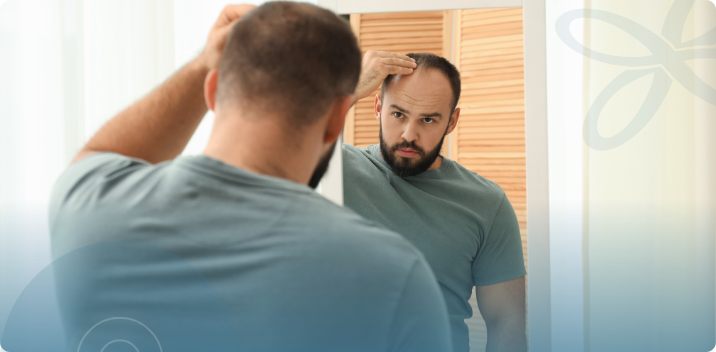
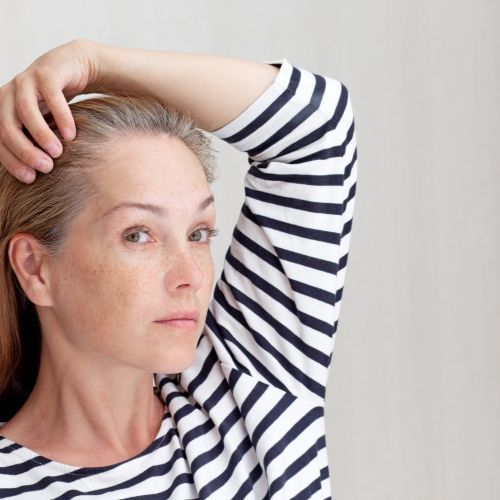
Hair loss is rarely just a cosmetic problem. It is a biological signal that something underneath has shifted. By the time you notice thinning at the crown or a receding hairline, your follicles have been responding to hormonal imbalance, nutritional gaps, reduced scalp circulation, and cellular aging for months or years. Hair restoration works by identifying that root cause first, then using targeted regenerative and hormonal therapies to reactivate dormant follicles and strengthen the ones you still have. When the underlying environment is corrected, new growth becomes possible.
This guide explains what hair restoration is and how it works, the signs that thinning has a treatable cause, who makes a good candidate, and the main treatment options from PRP to stem cell therapy. It also covers the realistic timeline, the benefits and risks, how the modalities compare, and what treatment typically involves, so you can decide whether to act before permanent follicle damage sets in.
What Is Hair Restoration?
Answer: Hair restoration is a medical approach to reversing or slowing hair loss by treating its root cause, using regenerative therapies like PRP, peptide injections, and stem cells along with hormone correction to reactivate dormant follicles and strengthen existing ones.
Rather than masking thinning with a single over-the-counter product, hair restoration starts with an evaluation of your hormonal profile, blood panel, and scalp presentation. Hair loss from low testosterone needs a different protocol than loss from a nutritional gap, which differs again from post-partum hormonal shedding. As the American Academy of Dermatology notes in its overview of how dermatologists diagnose and treat hair loss, identifying the cause is what makes treatment effective. At AgeRejuvenation, that diagnostic step is the foundation of every plan.
What Causes Hair Loss?
Answer: Hair loss commonly stems from hormone imbalances such as elevated DHT or thyroid dysfunction, genetics (pattern hair loss), nutritional deficiencies in iron or zinc, poor scalp circulation, chronic stress, and the natural decline in cellular regeneration that comes with age.
Most cases involve more than one driver at once. Androgenetic alopecia, the inherited pattern that affects both men and women, is the most frequent cause, and Cleveland Clinic explains that it results from hormones and genetics shrinking the follicles over time. Nutrition matters too. The NIH Office of Dietary Supplements notes that biotin and other nutrients play a role in keratin and hair structure, which is why bloodwork is part of a thorough evaluation. Pinning down which factors are at play for you prevents wasted time on a treatment that targets the wrong problem.
Who Is a Good Candidate for Hair Restoration?
Answer: Good candidates are people in the early-to-moderate stages of thinning, before follicles are permanently lost, who have an identifiable and treatable cause such as hormonal imbalance, nutritional deficiency, or follicle dormancy confirmed through evaluation.
Earlier intervention consistently produces better outcomes because dormant follicles can still be reactivated while live, whereas scarred or fully lost follicles cannot regrow with any therapy. That is the core reason waiting works against you. Candidacy is confirmed by reviewing your labs, hormone levels, and scalp condition, not by assumption, so the plan matches what is actually driving your loss.
How Does Hair Restoration Work?
Answer: Hair restoration works by correcting the biological environment around the follicle. Regenerative injections deliver growth factors and proteins that signal dormant follicles to re-enter the growth phase, while hormone correction removes the biochemical drivers, such as excess DHT, that were shrinking follicles in the first place.
When the scalp environment changes, follicles that had gone quiet can resume producing hair, and existing follicles grow thicker and healthier. This is a gradual biological process, not an instant fix. Growth cycles take time, which is why results are measured in months. The combination of stimulating new growth and removing the underlying cause is what distinguishes a medical approach from a cosmetic one.
What Hair Restoration Treatments Are Available?
Answer: AgeRejuvenation offers four core modalities: PRP (platelet-rich plasma) therapy, PTD-DBM peptide therapy, stem cell therapy, and hormone replacement therapy for hormonally driven hair loss. They are used independently or in combination based on your diagnosis.
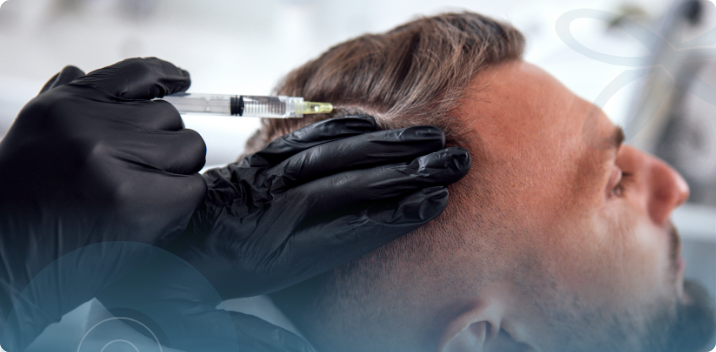
PRP therapy uses a small draw of your own blood, processed to concentrate platelets that are injected into the scalp, where they release growth factors that stimulate dormant follicles. Cleveland Clinic describes platelet-rich plasma as a concentration of your own platelets used to promote healing and tissue repair. PTD-DBM peptide therapy delivers regenerative growth factors and proteins directly to the scalp and suits early-to-moderate follicle dormancy. Stem cell therapy addresses structural follicle repair and is appropriate for more advanced loss or follicles that have not responded to PRP alone. When hormones are the driver, hormone replacement therapy restores optimal levels and is often the single most important component of the plan.
PRP vs. Peptides vs. Stem Cells: Comparing the Options
Answer: The four modalities differ mainly in what they target. PRP and PTD-DBM stimulate dormant follicles with growth factors, stem cell therapy repairs follicle structure for more advanced loss, and hormone therapy corrects the biochemical cause when imbalance is the primary driver.
| Treatment | How it works | Best suited for | Approach |
|---|---|---|---|
| PRP therapy | Concentrated platelets from your own blood release growth factors | Early-to-moderate thinning, natural option | Regenerative, non-surgical |
| PTD-DBM peptides | Growth factors and proteins delivered to the scalp | Early-to-moderate follicle dormancy | Regenerative, cellular |
| Stem cell therapy | Stem cells repair damaged follicles and scalp tissue | Advanced loss or non-responders to PRP | Structural follicle repair |
| Hormone replacement | Restores optimal hormone levels, lowers DHT pressure | Hormonally driven loss in men and women | Root-cause correction |
The right choice, or combination, depends on what your evaluation reveals. Plans are not assembled from a fixed menu; the modalities, frequency, dosage, and sequence are tailored to your findings and adjusted as you respond.
What Are the Benefits of Hair Restoration?
Answer: Done well, hair restoration can increase density and coverage, reactivate dormant follicles, strengthen existing hair, improve scalp health, and slow or halt ongoing loss by removing its underlying cause rather than only stimulating growth at the surface.
The practical payoff for many patients is regaining coverage they thought was gone for good, along with the confidence that comes with it. Because a medical clinic can identify and treat hormone imbalance, thyroid dysfunction, or nutritional deficiency within the same practice, the biological environment driving the loss is actually corrected. That integrated approach tends to outperform cosmetic-only treatment, which stimulates growth without fixing the cause.
What Is the Timeline for Hair Restoration Results?
Answer: Most patients see initial improvement in roughly three to six months, with more optimal results around nine to twelve months. Hair grows in cycles, so progress is measured in months rather than weeks, and consistency through the plan matters.
Early on, you may notice reduced shedding before you see visible regrowth, since stabilizing loss often comes first. Providers track progress at regular intervals and adjust the protocol based on your response. Realistic expectations are part of the process; this is steady biological change, not an overnight transformation.
Are There Side Effects or Risks?
Answer: Regenerative scalp treatments like PRP are generally well tolerated, with the most common effects being temporary tenderness, mild swelling, or minor redness at the injection sites. Hormone-based therapy carries its own considerations that depend on your health history and are managed through monitoring.
Because PRP uses your own blood, the risk of allergic or immune reaction is low, and most patients tolerate the procedure well with topical numbing applied first. MedlinePlus offers a useful starting point on the causes and management of hair loss for patients researching their options. As with any medical therapy, candidacy and risks are reviewed during your evaluation so the plan fits your specific situation.
How Much Does Hair Restoration Cost?
Answer: Cost varies with the modalities chosen, the number of sessions, and whether hormone correction or lab work is part of the plan. Because hair restoration is elective and tailored to each patient, pricing is reviewed individually before treatment begins.
These regenerative and optimization services typically fall outside standard insurance coverage and are usually self-pay. The full cost, including any labs, is discussed up front so there are no surprises, and the goal is a plan you can sustain across the months that meaningful regrowth requires.
Why Choose AgeRejuvenation for Hair Restoration?
Answer: AgeRejuvenation is a full-service medical clinic, not a stand-alone hair clinic, so when hair loss stems from hormone imbalance, thyroid dysfunction, or nutritional deficiency, those root causes are diagnosed and treated in the same practice without outside referrals.
Providers evaluate your hormonal profile, blood panel, and scalp presentation before recommending a protocol, then monitor and adjust as you respond. Hair restoration sits within our broader medical spa and aesthetic services, where regenerative and hormonal expertise come together. That combination is what lets us correct the biological environment driving hair loss, rather than stimulating growth around the edges. To find out which approach fits your situation, the next step is a hair restoration evaluation.
Explore more in our medical spa services .