Hair loss has many causes, from genetics and hormones to stress and nutrition, so the most effective plan matches the therapy to the trigger. AgeRejuvenation layers hormone care, PRP, PTD-DBM peptides, and stem cell therapy to revive existing follicles and support long-term density, usually starting non-surgically before considering any procedure.
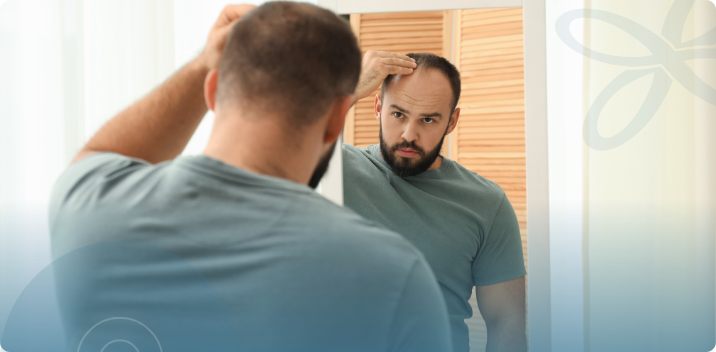
Noticing more hair on your brush or a widening part can be unsettling. Once you start searching online, the comparison of hair loss treatments can feel endless. There are shampoos, foams, pills, lasers, injections, and even surgery, yet what most people really want are long-term hair solutions that are safe, realistic, and grounded in science.
Hair loss is not just about appearance. It can affect confidence, relationships, and how you show up in daily life. Because thinning hair has many possible causes, AgeRejuvenation looks beyond the surface and focuses on restoring balance in the body as well as improving what you see in the mirror. Our layered approach to medical and regenerative hair restoration treatment is built to address both the visible thinning and the internal triggers behind it.
Why Does Hair Loss Happen, and Why Does the Cause Matter?
Hair loss happens when follicles are disrupted by genetics, hormone shifts, stress, nutrition gaps, or medical conditions, and the cause matters because it decides which treatment will actually work. Matching the therapy to the trigger is what separates real regrowth from wasted effort.
The tiny structures that grow each strand of hair are sensitive to changes throughout the body. When something is off internally, your scalp often shows it first. Understanding what is driving your hair loss is the first step toward choosing treatments that make sense for you.
Some of the most common contributors include:
Genetic pattern thinning in men and women.
Shifts in hormones such as testosterone, estrogen, progesterone, or thyroid hormones.
Periods of high physical or emotional stress.
Nutritional gaps in protein, iron, or key minerals.
Chronic inflammation or certain medical conditions.
Many people have more than one factor at play. A thoughtful medical workup, including a detailed history, scalp exam, and targeted lab testing, helps clarify why your hair is changing and which tools are worth considering. Mayo Clinic notes that a blood test can help uncover medical conditions that contribute to shedding, which is why testing is so useful before you commit to a plan.
Once there is a clear picture of what is happening, your provider can guide you toward options that address both the health of your follicles and the internal triggers behind your thinning. When fluctuating hormones are part of the story, working through an underlying hormone imbalance that drives thinning hair often makes every other therapy more effective.
Comparison of Hair Loss Treatments: From Everyday Options to Advanced Therapies
Drugstore products like minoxidil or basic supplements are often the first step. They can help in mild or early thinning, but they are only part of the story. The Cleveland Clinic explains that when over-the-counter products are not enough, a healthcare provider can recommend stronger, more targeted options. At AgeRejuvenation, the focus is on medical and regenerative therapies that work together as a system for scalp health and hair density.
Here is how some of the main options compare.
Hair Restoration Programs: The Big Picture Plan
Hair Restoration at AgeRejuvenation is an umbrella program rather than a single procedure. It brings together hormonal care, PRP therapy, PTD-DBM peptides, and stem cell therapy when appropriate, so you are not relying on one tool alone.
This approach is designed for people who want long-term hair solutions and are ready to address root causes as well as visible thinning.
Typical benefits include:
A structured plan instead of scattered, one-off treatments.
Options for both early thinning and more advanced loss.
Ongoing follow-up to adjust your plan as your hair responds.
If you feel overwhelmed by the comparison of hair loss treatments, a comprehensive in-clinic hair restoration program can help simplify decisions and keep everything coordinated.
How Does Hormone Replacement Therapy Help With Hair Thinning?
Hormone replacement therapy helps with hair thinning by correcting low or fluctuating hormones that disrupt the growth cycle. When estrogen, progesterone, testosterone, or thyroid levels stabilize, the scalp gets a healthier environment for growth, which can slow shedding tied to imbalance.
Hormone replacement therapy becomes especially important when hair loss shows up along with other signs of imbalance, such as fatigue, hot flashes, low libido, or unexplained weight changes.
This option is best for:
Men with confirmed low testosterone and thinning hair.
Women in perimenopause or menopause who notice diffuse shedding.
Patients whose lab testing shows clear hormonal shifts.
Hormone care is rarely a quick fix for the scalp alone, but it often supports long-term hair solutions because it stabilizes one of the main drivers behind age-related thinning.
What Is PRP Therapy and How Does It Use Your Own Growth Factors?
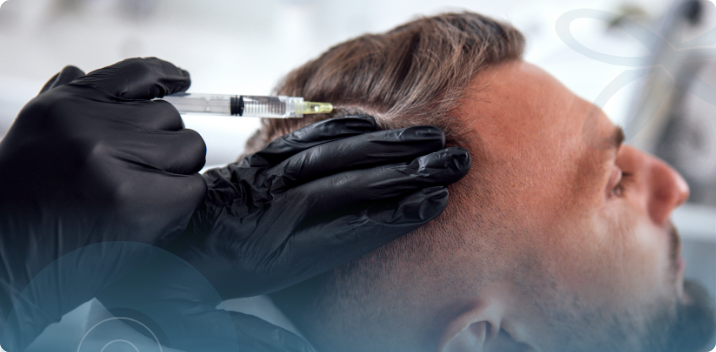
PRP therapy is a regenerative treatment that concentrates platelets from a small sample of your own blood and places them into thinning areas of the scalp. Those platelets release growth factors that help wake up sluggish follicles and support thicker strands over time.
These growth factors are the reason PRP has drawn so much attention. Published research has reported that platelet-rich plasma can increase hair density in patients with androgenetic alopecia, and major specialty groups now list it among the recognized non-surgical therapies for hair loss.
PRP therapy may be a good fit if you:
Prefer a biologic treatment that uses your own cells.
Have early to moderate thinning rather than complete bald patches.
Are willing to commit to a series of sessions with maintenance visits.
Compared with many topical products, PRP therapy targets the follicles more directly. It can also be combined with peptide therapy and stem cell therapy for a layered regenerative effect.
PTD-DBM Peptides: Protecting Vulnerable Follicles
PTD-DBM peptides are an advanced topical and injectable option that supports follicle regeneration. This peptide targets pathways linked to follicle shrinking and helps protect hair from the hormonal and enzymatic changes that weaken strands.
This therapy can be especially helpful for:
People who still have hair in thinning areas but want better density.
Patients who have already tried standard medications and want an upgrade.
Those focused on prevention and preservation, not just regrowth.
In the comparison of hair loss treatments offered at the clinic, PTD-DBM peptides stand out as a targeted way to support follicle health without systemic medication.
Stem Cell Therapy: Advanced Regeneration for Stubborn Thinning
Stem cell therapy is one of the most advanced options in the hair restoration toolkit. It uses cells taken from your own tissues and combines them with growth factors to repair damaged follicles, improve scalp health, and encourage new hair growth where possible.
This treatment works at the cellular level and is designed for patients who want a more intensive, regenerative option without surgery. The International Society of Hair Restoration Surgery groups regenerative approaches like these among the non-surgical therapies that aim to stimulate the follicle directly rather than transplant new hair.
Stem cell therapy may be considered when:
Thinning is more advanced or has been present for many years.
You want a nonsurgical alternative to hair transplant.
You are already working on hormonal and lifestyle factors and want a stronger local treatment.
Your provider will review your health history, goals, and scalp condition carefully to decide whether stem cell treatment is an appropriate next step for you.
What Is the Difference Between Surgical and Non-Surgical Hair Restoration?
The difference comes down to method. Surgical restoration redistributes existing follicles into thinning zones, while non-surgical restoration uses medications, regenerative injections, and peptides to revive the follicles you still have. Most people start non-surgically and add procedures only if needed.
Johns Hopkins Medicine describes surgical hair restoration as a process that fills in or recreates a thinning hairline using your own hair. It can produce lasting results, but it does not address the internal reasons hair began thinning in the first place. That is why AgeRejuvenation leans on a regenerative, root-cause path that protects and strengthens existing follicles before anyone considers surgery. These layered, in-office options sit within our broader aesthetic and medical spa services, so your hair plan can be coordinated alongside your other goals.
How AgeRejuvenation Builds Long-Term Hair Solutions
At AgeRejuvenation, the goal is not only to improve how your hair looks this month, but to protect and support it over time. Hair restoration starts with a detailed consultation, scalp evaluation, and comprehensive testing when needed. From there, your provider may recommend a blend of hormone replacement therapy, PRP therapy, PTD-DBM peptides, and stem cell therapy, along with practical guidance on nutrition and lifestyle.
Follow-up visits are built into the plan so that your team can see how your hair is responding, adjust treatment timing, and help you stay consistent. This ongoing relationship is what turns individual therapies into true long-term hair solutions.
Frequently Asked Questions
What is the most effective hair restoration treatment?
There is no single best option for everyone. The most effective plan is usually personalized and layered, matching the therapy to your cause. Early thinning often responds to PRP and peptides, hormone-driven loss improves with balanced hormones, and advanced cases may add regenerative or surgical options.
How long does it take to see results from hair restoration?
Most regenerative and medical therapies take time. Mayo Clinic notes it can take at least six months of consistent treatment to slow loss and begin regrowth, and a few more months to judge whether it is working. PRP and peptides usually require a series of sessions plus maintenance visits.
Is PRP therapy for hair loss safe?
PRP uses your own concentrated platelets, so the risk of an allergic or rejection reaction is low. Common side effects are mild and short, such as tenderness, swelling, or minor redness at the injection sites. A trained provider reviews your health history first to confirm you are a good candidate.
Can hormone changes really cause hair thinning?
Yes. Shifts in testosterone, estrogen, progesterone, and thyroid hormones can all disrupt the hair growth cycle. This is common during perimenopause, menopause, and in men with low testosterone. Lab testing helps confirm whether a hormone imbalance is contributing, so treatment can target the actual driver.
Do I need surgery to restore my hair?
Not always. Many people improve density with non-surgical care like hormone optimization, PRP, peptides, and stem cell therapy, especially when thinning is caught early. Surgery is one option for advanced loss, but a regenerative plan often protects and strengthens the hair you still have first.
Conclusion
Hair loss can feel discouraging, yet today there are more tools than ever to address it in a thoughtful way. Looking at a broad comparison of hair loss treatments is useful, but the real progress happens when those options are matched to your unique biology and health story.
At AgeRejuvenation, the focus is on science-based, personalized care that supports both your confidence and your overall wellness. If you are ready to explore your options, you can talk through a hair restoration plan in a clear way.
You do not have to navigate this alone. With the right team and a realistic roadmap, it is possible to protect the hair you have, encourage healthier growth, and feel more like yourself again when you look in the mirror.
Ready to take the next step?
Talk with the AgeRejuvenation team about a Hair Restoration plan built around your labs and goals.