As we age, our hormones shift and quietly throw the body off balance. You may notice weight gain, low libido, fatigue, mood swings, brain fog, hot flashes, or broken sleep, and you may have been told it is just part of getting older. It does not have to feel this way. Hormone replacement therapy restores the hormones that decline with age, and when it is done well, patients often describe finally feeling like themselves again.
At AgeRejuvenation, hormone replacement therapy is built around your labs, not a default protocol. We start with comprehensive bloodwork, then restore the specific hormones that have declined, and we recheck and adjust over time, because safe HRT is supervised HRT. This guide explains what HRT is, the signs you may need it, how it helps through perimenopause and menopause, the benefits and the real risks, the differences between pellets, injections, and creams, and what treatment costs.
What Is Hormone Replacement Therapy?
Answer: Hormone replacement therapy (HRT) restores the estrogen, progesterone, and testosterone that fall with age or menopause, using bioidentical hormones that match the molecules your body already makes.
Because these hormones are structurally identical to your own, the body recognizes and uses them the same way, which is what helps relieve hot flashes, fatigue, mood changes, and low libido. At AgeRejuvenation we use bioidentical hormones derived from plant sources, dosed from a comprehensive panel rather than a single lab value. The National Library of Medicine explains how HRT replaces the hormones that decline during the menopausal transition. We also look beyond estrogen and testosterone to thyroid and adrenal function, because those systems shape how you feel just as much.
Signs You May Need Hormone Replacement Therapy
Answer: The most common signs are hot flashes, night sweats, disrupted sleep, low libido, persistent fatigue, brain fog, mood swings, and stubborn weight gain that does not track your effort.
These symptoms often begin years before menopause is official, during perimenopause, when hormone levels swing unpredictably. One symptom rarely travels alone, and restoring balance frequently improves several at once. We confirm the hormonal driver with testing rather than assuming, ruling hormone imbalances in or out before any prescription. When your labs and symptoms line up, HRT addresses the cause instead of masking it.
HRT for Perimenopause and Menopause
Answer: For perimenopause and menopause, HRT replaces the estrogen and progesterone that decline during the transition, easing hot flashes, night sweats, sleep disruption, and mood changes.
Starting earlier, in perimenopause, can make the transition smoother rather than waiting for a milestone. Estrogen is the most effective treatment available for menopausal hot flashes and night sweats, and it also supports vaginal and bladder comfort and helps protect bone density, as the American College of Obstetricians and Gynecologists describes in its guidance on hormone therapy for menopause. Progesterone is added for anyone with a uterus to protect the uterine lining. Your stage, symptoms, and history decide the formulation, not a default.
Benefits of Hormone Replacement Therapy
Answer: Beyond symptom relief, well-managed HRT can improve energy, sleep, mood, libido, and concentration, and it supports bone strength as estrogen declines.
For many patients the practical benefit is simple: the day stops being a fight. Guidance summarized by Mayo Clinic notes that hormone therapy can ease menopausal symptoms and help prevent bone loss in appropriate candidates. Energy in particular tracks closely with hormone levels, which is why chronic fatigue often lifts once balance is restored. The size of the benefit depends on accurate dosing and follow-up, which is where supervised optimization separates from a generic prescription.
Bioidentical vs. Synthetic Hormones
Answer: Bioidentical hormones are structurally identical to the ones your body produces; synthetic hormones are similar but not an exact match.
Many patients tolerate bioidentical hormones well, and at AgeRejuvenation they are our standard. What matters more than the label, though, is dosing and monitoring: safety in every case depends on matching the dose to your labs and rechecking bloodwork over time. No hormone, bioidentical or synthetic, is set and forget.
Pellets vs. Injections vs. Creams: HRT Delivery Methods
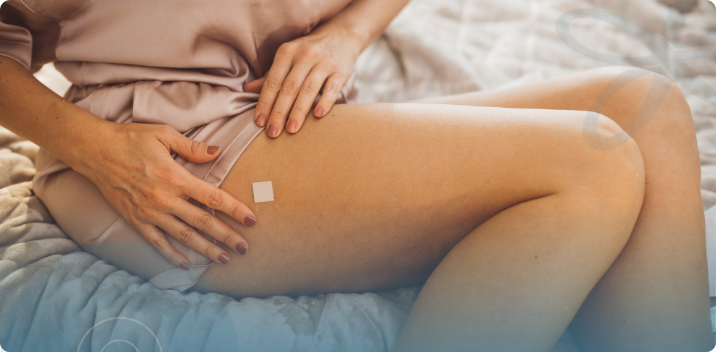
Answer: HRT can be delivered by pellet, injection, cream or gel, or pill; the methods differ mainly in how often you dose and how steady your levels stay.
| Method | How it works | Dosing rhythm | Often suits |
|---|---|---|---|
| Pellets | A tiny pellet placed under the skin releases a steady dose | Every few months | Patients who want consistency without a daily routine |
| Injections | Scheduled injections of estrogen or testosterone | Weekly to monthly | Patients comfortable with a regular schedule |
| Creams / gels | Topical hormone absorbed through the skin | Daily | Patients who prefer easy, adjustable dosing |
| Pills | Oral hormone taken daily | Daily | Patients who prefer a familiar format |
Pellet therapy is popular with our long-term patients because it avoids daily dosing and the peaks and dips that come with some methods, delivering a level dose over months. The right method is the one that fits your body's response and your life, and it can change over time.
Side Effects and Risks of HRT
Answer: Most side effects are mild and dose-related; the ones people ask about most are weight changes, breast tenderness, mood shifts, and, less commonly, hair changes.
Will HRT cause weight gain? For most people it does not. Weight tends to shift during menopause with or without HRT, and balanced hormones often make weight easier to manage. Can HRT cause hair loss? It is uncommon, and hormone optimization more often helps hair than harms it, though dosing matters. Like any therapy, HRT carries risks that depend on your age, history, and formulation, which the NIH clinical reference reviews in detail. That is exactly why we dose from labs and recheck your bloodwork rather than prescribing once and walking away.
Is HRT Only for Women? HRT for Men
Answer: No. Hormone replacement therapy supports both women and men, including testosterone optimization for men and, where appropriate, testosterone support for women.
Hormone decline is not only a female experience, and the same principle applies across the board: test first, dose to the individual, and monitor over time. Men's hormone care follows the same labs-led, supervised approach we use for every patient.
How Much Does Hormone Replacement Therapy Cost?
Answer: Optimization-level hormone care is frequently self-pay because it falls outside standard insurance coverage, and the monthly cost varies with your hormones, delivery method, and lab needs.
Because plans are individual, we review the full cost, including labs, before you begin, so there are no surprises. The goal is a plan you can sustain, since hormone balance is maintained over time rather than fixed in a single visit.
Why Choose AgeRejuvenation for Hormone Replacement Therapy
Answer: Hormone care done well is deeply individual, which a rushed primary-care visit cannot deliver.
Care is led by Chief Medical Director Dr. Dawn Ericsson, MD, a board-certified OB/GYN, alongside a team experienced in bioidentical hormone therapy for women and men. We dose from your comprehensive panel, adjust with follow-up testing, and explain what your hormones are doing and why your protocol looks the way it does, so you are a partner in your care. Hormone replacement therapy anchors our women's health and hormone care, which also includes menopause treatment, thyroid support, and intimate wellness. One comprehensive panel can change how every day feels.
Explore more in our women's health clinic services .