Fine lines, acne scars, large pores, and a dull, uneven texture often trace back to one thing: collagen production that slows with age and sun exposure. SkinPen microneedling works from the inside out. A precision device creates controlled micro-channels in the skin, prompting your body to produce fresh collagen and elastin, the structural proteins that keep skin firm and resilient. Because the treatment uses your own biology rather than a foreign substance, it suits a wide range of skin types and concerns, and it is delivered under medical supervision.
At AgeRejuvenation, SkinPen microneedling is treated as a medical procedure, not a quick add-on. Every plan starts with a skin assessment, runs under clinical supervision, and is matched to your specific concerns rather than a fixed menu. This guide explains what microneedling is, who is a good candidate, how it works, the benefits and the real risks, how it compares with other resurfacing options, what a session feels like, and what treatment typically costs.
What Is SkinPen Microneedling?
Answer: SkinPen microneedling is an FDA-cleared in-office treatment that uses a precision device with fine sterile needles to create controlled micro-channels in the skin, prompting a natural repair process that rebuilds firmer, smoother texture over time.
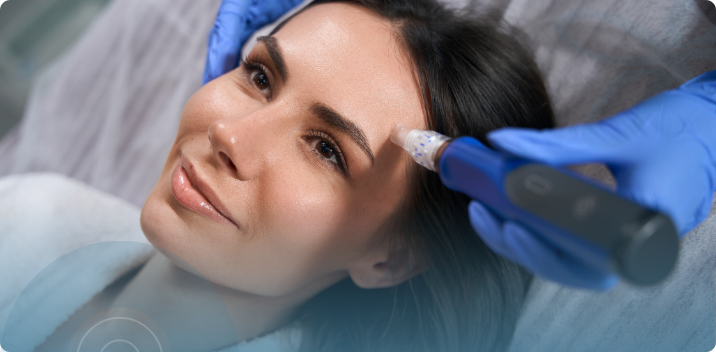
Those micro-channels are small and superficial, but they signal your body to activate its own wound-healing cascade. In response, the skin produces fresh collagen and elastin, the structural proteins that keep skin resilient and youthful. SkinPen was the first microneedling device to earn FDA clearance for facial use, and you can review the FDA guidance on microneedling devices to understand how these devices are regulated. Because the treatment works with your biology rather than introducing a foreign substance, it is a versatile option across many skin types.
How Does SkinPen Microneedling Work?
Answer: Microneedling works by creating thousands of tiny, controlled micro-injuries that the skin reads as wounds, which triggers fibroblasts to lay down new collagen and elastin in the deeper layers, gradually improving firmness and smoothness.
This is collagen induction therapy, and the renewal happens in the weeks after each session rather than overnight. As the Cleveland Clinic explains in its overview of how microneedling stimulates collagen and elastin, the body responds to the micro-channels by remodeling the skin's structure. Results build progressively, which is why a series of sessions spaced over time typically produces the most noticeable change.
Who Is a Good Candidate for Microneedling?
Answer: Good candidates want to soften acne scars, fine lines, large pores, or uneven tone, are in general good health, and have no active infection or open breakout in the treatment area.
Microneedling is a strong fit for acne scars, early fine lines and wrinkles, and the dullness and discoloration that come with sun damage. Because it does not rely on light energy, it can be appropriate for darker skin tones that face a higher pigmentation risk with some laser treatments. People with active eczema, a current cold sore, certain bleeding disorders, or who are pregnant may need to wait or pursue another option, which is exactly why a clinical evaluation comes first.
What Skin Concerns Does Microneedling Treat?
Answer: Microneedling treats acne scars, fine lines and wrinkles, enlarged pores, uneven texture, dullness, stretch marks, and the discoloration linked to sun damage, by renewing the skin's structure from within.
The shared thread across these concerns is weakened or disorganized collagen beneath the surface. By prompting fresh collagen and elastin, microneedling supports a more even surface and a healthier glow rather than masking the problem on top. For deeper acne scarring in particular, controlled collagen remodeling is one of the better-tolerated nonsurgical approaches, as the StatPearls clinical reference on microneedling indications and outcomes describes. Layered results often come from pairing microneedling with a consistent home skincare routine.
What Are the Benefits of SkinPen Microneedling?
Answer: The main benefits are smoother texture, softened scars and fine lines, more even tone, refined pores, and improved firmness, achieved using your own healing response with minimal downtime.
Two practical advantages stand out. First, microneedling stimulates your body's own collagen rather than adding filler or freezing muscle, so the change looks natural and builds over weeks. Second, the temporary micro-channels can improve how well certain topical serums absorb, which is why providers often apply growth factors or hyaluronic acid immediately after a session. The size of the benefit depends on a properly planned series and good aftercare, not a single visit.
What Are the Side Effects and Risks of Microneedling?
Answer: Most side effects are mild and short-lived: redness, mild swelling, and a sunburn-like sensation for a day or two. Less common risks include bruising, infection, or pigment changes when the procedure is not performed properly.
Because microneedling creates real micro-wounds, sterile technique and trained providers matter for safety. Performed correctly, the procedure has a strong safety profile, but at-home roller devices and unsupervised treatments raise the risk of scarring and infection, which is why the FDA distinguishes regulated medical devices from cosmetic rollers. The risk of post-inflammatory hyperpigmentation is generally lower than with light-based resurfacing, though sun protection during recovery is still essential.
How Does Microneedling Compare With Other Resurfacing Options?
Answer: Microneedling renews skin through controlled micro-injury and collagen induction, with little downtime; laser resurfacing uses heat energy for deeper change but more recovery, while chemical peels exfoliate the surface.
The right choice depends on your concern, skin tone, and how much downtime you can accept.
| Approach | How it works | Typical downtime | Often suits |
|---|---|---|---|
| Microneedling | Controlled micro-channels trigger collagen and elastin | A day or two of redness | Scars, fine lines, texture, most skin tones |
| Laser resurfacing | Heat energy resurfaces deeper layers | Several days to over a week | Deeper wrinkles, significant sun damage |
| Chemical peel | Acid solution exfoliates surface layers | Mild flaking for a few days | Tone, mild texture, dullness |
Microneedling is often favored for its balance of meaningful results and short recovery, and it can be combined with a thoughtful skincare plan. Your provider helps match the approach to your goals rather than defaulting to one tool.
What Should I Expect During and After a Session?
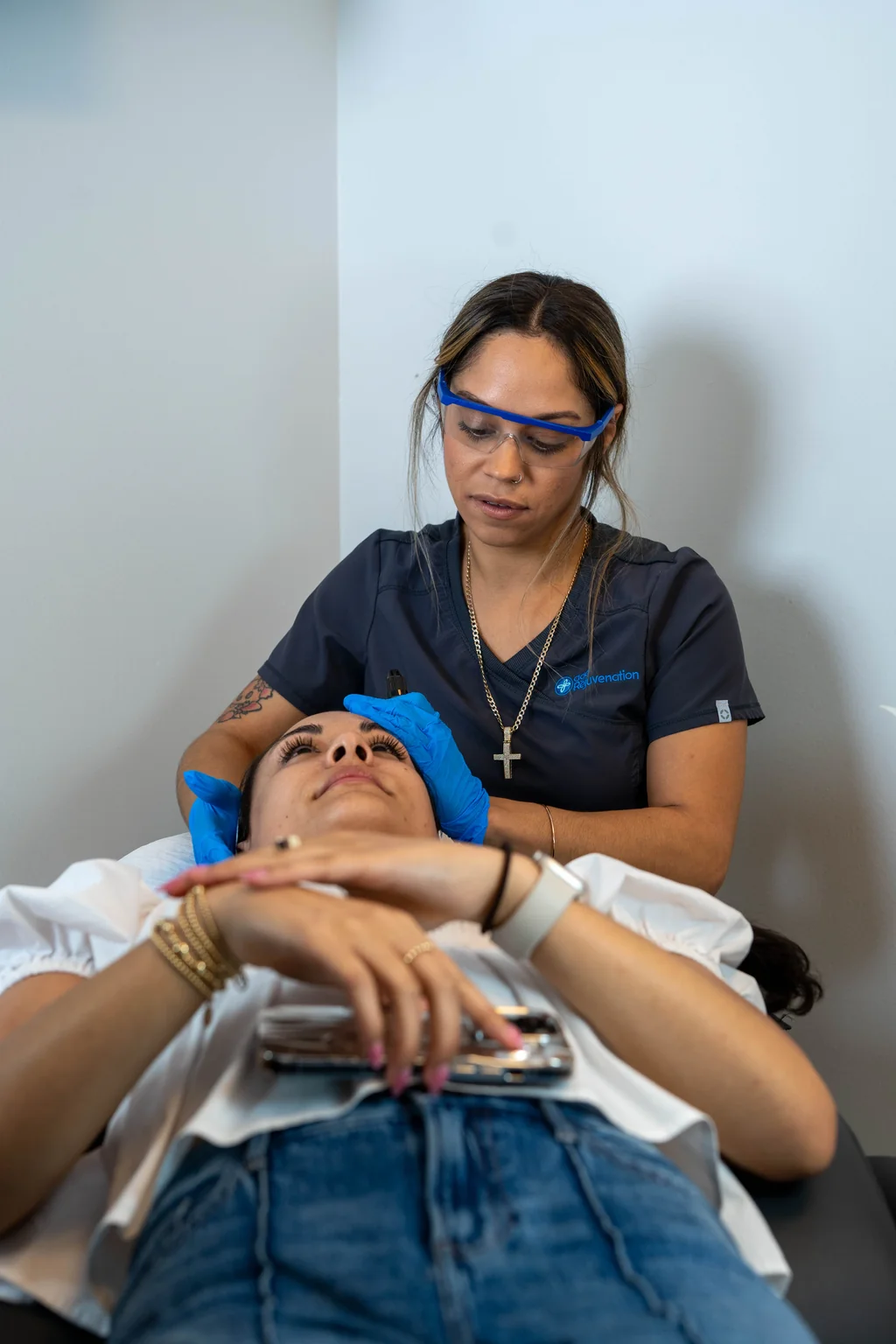
Answer: A session takes roughly 30 to 60 minutes. A numbing cream is applied first, the device passes over the skin, and afterward you may have redness and mild swelling that settles within a day or two.
Most people return to normal activities quickly, with sunscreen and gentle skincare for the first few days. Collagen remodels over the following weeks, so improvement is gradual rather than immediate. A series of sessions, usually three to six spaced four to six weeks apart, gives collagen time to rebuild between treatments, and periodic maintenance helps preserve results.
How Much Does SkinPen Microneedling Cost?
Answer: Microneedling is an elective aesthetic treatment, so it is typically self-pay rather than covered by insurance, and the total depends on the number of sessions and any add-ons such as growth factor serums.
Because plans are individual, we review the full cost, including any recommended series and aftercare products, before you begin, so there are no surprises. Microneedling is one part of our full medical spa menu, and our team can help you decide whether it is the right starting point for your skin or whether another approach fits your goals better. The aim is a plan you can sustain, since collagen support works best over time.
Explore more in our medical spa services .