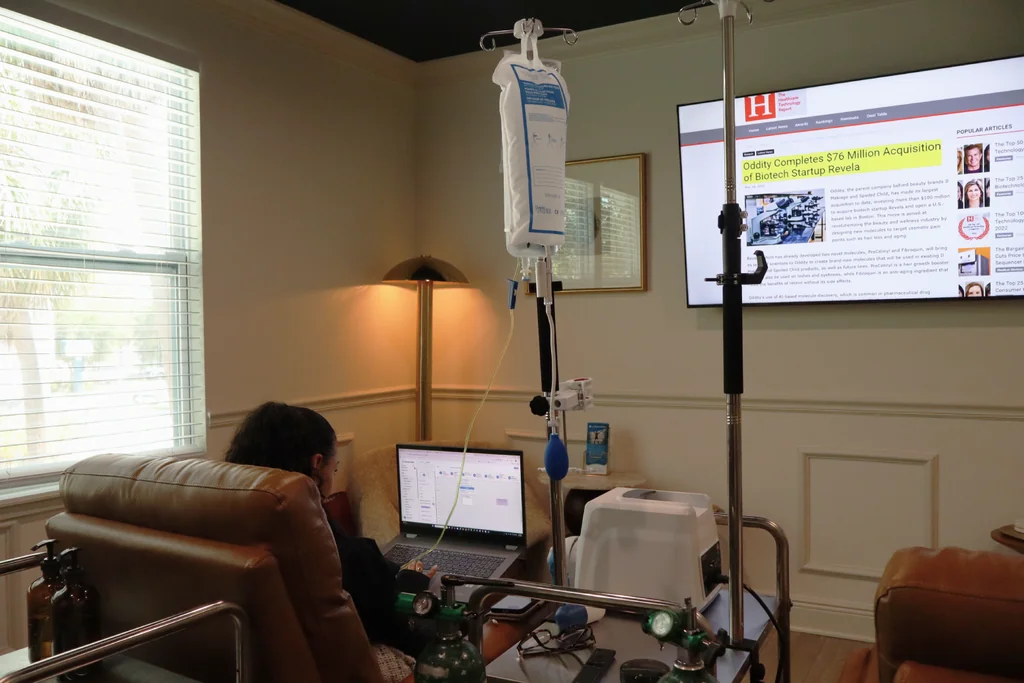
When fatigue, brain fog, or a run-down immune system starts shaping your days, the fix is rarely a single missing vitamin. Oral supplements have to survive your digestive tract first, and a large share of what you swallow never reaches the cells that need it. IV therapy delivers nutrients and fluids directly into a vein, bypassing the gut so your body absorbs the full dose. When it is medically supervised and matched to your needs, patients often describe steadier energy, faster recovery, and a clearer head.
When fatigue, brain fog, or a run-down immune system starts shaping your days, the fix is rarely a single missing vitamin. More often the body is fighting absorption problems, ongoing stress, dehydration, or the slow nutrient drain that comes with aging and a demanding schedule. That is the gap IV delivery closes. This guide explains what IV therapy is, who is a good candidate, how it works, the benefits and real limitations, common formulas, safety and side effects, and what treatment costs.
At AgeRejuvenation, our physician-led team looks past the symptom to the underlying cause, then builds an IV protocol around what your body is actually missing. Serving Tampa Bay and Orlando, we treat IV therapy as one tool inside a larger longevity plan, not a quick novelty.
What Is IV Therapy?
Answer: IV therapy is the delivery of vitamins, minerals, amino acids, and fluids straight into a vein, so nutrients reach your bloodstream at full strength without passing through the gut. It is given in-office under medical supervision.
Because the digestive system is bypassed, IV therapy can raise hydration and nutrient levels more efficiently than pills, especially when absorption is impaired. Intravenous fluids are the same basic tool hospitals use to correct dehydration and electrolyte imbalance, as Cleveland Clinic explains in its overview of how intravenous fluids work. A typical session takes about 30 to 60 minutes in a comfortable chair, and your provider selects the blend based on your goals, symptoms, and any relevant lab findings.
Who Is a Good Candidate for IV Therapy?
Answer: Good candidates are adults with poor nutrient absorption, dehydration, recovery needs, or documented deficiencies who want a faster route than oral supplements. People with a balanced diet and normal levels see less added benefit.
The honest picture matters here. Evidence reviewed by Mayo Clinic notes that for healthy people with normal nutrition, IV vitamins offer little proven benefit over a balanced diet and oral supplements. Where IV therapy earns its place is in absorption problems, intense recovery demands, and confirmed shortfalls. That is why we screen first rather than assume every person needs every drip.
How Does IV Therapy Work?
Answer: A small catheter is placed in a vein, usually in the arm, and a tailored solution of fluids and nutrients drips directly into the bloodstream over roughly 30 to 60 minutes while your provider monitors you.
Because nutrients skip the gut, they reach circulation immediately and at higher concentrations than oral dosing allows. Your provider chooses the fluid base, the nutrient mix, and the infusion pace for your history and goals. You stay seated and comfortable throughout, and most people return to normal activity right after.
What Does IV Therapy Help With?
Answer: IV therapy is most commonly used to support energy and recovery, hydration and immune function, and antioxidant or cellular health, with the formula matched to your specific goal.
When B vitamins, magnesium, and fluids run low, even simple tasks feel heavier than they should, so a targeted drip is designed to replenish these reserves quickly and support steadier energy and faster recovery after exertion. Heat and a packed schedule make true hydration harder than most people realize, and IV fluids paired with vitamin C, zinc, and antioxidants can support immune function and rehydration. Oxidative stress builds quietly over the years, so nutrient infusions are also used to support the body's own antioxidant systems for those focused on cellular health. Restoring nutrient and fluid balance this way is one reason persistent fatigue and low energy often eases once the underlying drain is addressed.
Common IV Therapy Formulas Compared
Answer: Most clinics offer a few core formulas, including a Myers-style wellness cocktail, an NAD+ infusion for cellular energy, hydration and immune blends, and single-nutrient drips like B12 or vitamin C, each suited to different goals.
| Formula | What it commonly contains | Often chosen for |
|---|---|---|
| Myers-style cocktail | B vitamins, magnesium, calcium, vitamin C | General wellness, energy, immune support |
| NAD+ infusion | NAD+ coenzyme | Cellular energy, longevity-focused goals |
| Hydration and immune | Fluids, vitamin C, zinc, antioxidants | Rehydration, seasonal stress, travel |
| Vitamin C drip | Higher-dose ascorbic acid | Antioxidant support, immune wellness |
| B12 or single-nutrient | Targeted vitamin or mineral | Correcting a specific shortfall |
Vitamin C is one of the most familiar IV ingredients, and the National Library of Medicine details how ascorbic acid is used, dosed, and tolerated. The right formula is the one matched to your symptoms and labs, and it can change over time as your needs shift.
Is IV Therapy Safe?
Answer: Under medical supervision, IV therapy is considered safe for most healthy adults. The main risks are minor and relate to the IV line itself, such as bruising, irritation, or rarely infection, and very high nutrient doses can stress the kidneys.
A clinical intake before any first infusion screens for conditions that change the risk picture. People with kidney disease, heart failure, or certain electrolyte disorders may need modified formulas or may not be appropriate candidates, and very high vitamin doses are not harmless. Cleveland Clinic underscores that patients should confirm a clinic's credentials and talk with a provider before trying IV vitamin therapy. At every session your provider supervises dosing and watches for any reaction.
What Are the Side Effects of IV Therapy?
Answer: Side effects are usually mild and short-lived, most often bruising, soreness, or coolness at the IV site. Less common issues include lightheadedness, vein irritation, and, with very high doses, nutrient overload.
Most people tolerate a supervised drip well and feel no lasting effects. Because dosing is matched to your labs and history, the goal is to keep nutrient levels within a beneficial range rather than pushing extremes. If anything feels off during a session, the infusion can be slowed or stopped, which is one practical advantage of in-office, supervised care.
How Much Does IV Therapy Cost?
Answer: IV therapy is typically self-pay because elective infusions are not covered by standard insurance. Cost varies with the formula, the dose, and whether you book a single session or a package.
Pricing depends on the ingredients and your plan, so we review the full cost before you begin, with no surprises. Some patients with documented deficiencies may be able to use HSA or FSA funds; verify eligibility with your plan administrator. The aim is a schedule you can sustain, since hydration and nutrient support work best as part of an ongoing routine rather than a one-time fix.
Why Choose AgeRejuvenation for IV Therapy?
Answer: IV therapy is most effective when it is physician-guided, matched to your labs and goals, and connected to your wider plan rather than handed out from a fixed menu.
Your protocol is reviewed by a licensed medical provider before a single drip begins, so dosing, ingredients, and timing are chosen for your health history, not pulled from a one-size-fits-all list, and your safety is monitored throughout the session. We favor formulas grounded in clinical reasoning and, where appropriate, your own lab data, setting realistic expectations and adjusting your plan over time. IV therapy anchors our broader regenerative wellness and longevity services, so each visit builds on the last rather than working in isolation. If you are tired of guessing at supplements that never quite move the needle, a supervised IV protocol may be the more direct route to feeling like yourself again.
Explore more in our wellness center services .