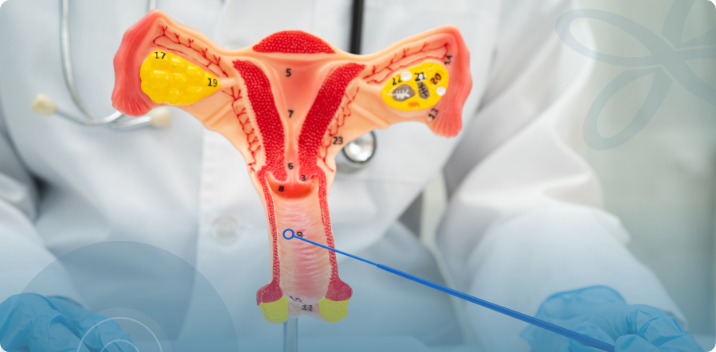
Hormone imbalance in women often shows up as irregular periods, fatigue, brain fog, weight gain, mood swings, and poor sleep that build up gradually. Because the signs span many systems, the cause is easy to miss. A lab-guided, personalized plan that may combine hormone replacement therapy, thyroid support, and lifestyle changes helps restore balance and quality of life.
Hormone imbalance in female patients develops so gradually that it is easy to overlook. At first, you may notice changes in your sleep, your cycle, or your energy that seem mild or random. With time, those shifts can add up to irregular periods, weight changes, mood swings, or a constant sense of fatigue that does not match your daily routine. It is common to attribute everything to stress or a busy life, but in many cases the underlying issue is a hormone system that is no longer in balance.
At AgeRejuvenation, we see every day how estrogen, progesterone, thyroid hormones, cortisol, and insulin shape how you feel from head to toe. Our goal is not just to put a label on your symptoms but to understand what is happening inside your body and build a plan that truly fits your life.
What Is a Hormone Imbalance in Women?
A hormone imbalance happens when you have too much or too little of a key hormone circulating in your bloodstream, which is enough to throw off how you feel and function. These chemical messengers help regulate your menstrual cycle, metabolism, sleep, mood, sexual health, and even how your body handles stress, so even small shifts can ripple across several systems at once, as Cleveland Clinic explains in its overview of hormonal imbalance.
For some women, that looks like irregular cycles and heavy bleeding. For others, it is brain fog, stubborn weight gain, or feeling tired no matter how much you rest. Because the signs are so varied, it is easy to miss the bigger pattern unless someone steps back and looks at the whole picture. That is why thoughtful hormone replacement therapy for women begins with connecting symptoms, lab results, and personal history instead of treating each complaint in isolation.

What Are the Signs of Hormone Imbalance in Female Patients?
The clearest signs of hormone imbalance in women are changes in periods, energy, mood, sleep, weight, skin, and hair that persist over weeks or months rather than a single off day. Recognizing a true imbalance is less about one bad day and more about ongoing patterns. These are some of the most common symptoms women bring up during their first visit.
Menstrual Cycles, Fertility, and Perimenopause
Changes in your period are one of the clearest clues. You may notice cycles that are shorter, longer, heavier, or lighter, or that disappear for months. Cramps, bloating, breast tenderness, and PMS can become more intense.
If you are trying to conceive, irregular ovulation, thyroid shifts, or conditions like polycystic ovary syndrome can make it harder to get pregnant, and the American College of Obstetricians and Gynecologists notes that PCOS is one of the most common causes of irregular ovulation in women. In your 40s, perimenopause can bring new patterns such as skipped periods, hot flashes, and night sweats even before your final period. Mayo Clinic describes how estrogen rises and falls during perimenopause, which helps explain why cycles become so unpredictable during this stage.
Weight, Energy, and Metabolism
Unexplained weight gain around your midsection often points to problems with thyroid function, insulin, or cortisol. A sluggish thyroid slows metabolism, leaves you tired and foggy, and makes weight harder to manage. The National Institute of Diabetes and Digestive and Kidney Diseases explains that an underactive thyroid can cause fatigue, weight gain, and feeling cold. When we see this cluster of symptoms, we look closely at metabolism and may recommend thyroid support if testing shows it is needed.
Mood, Sleep, and Everyday Functioning
Hormones strongly influence brain chemistry. Drops or swings in estrogen and progesterone can lead to mood swings, anxiety, irritability, low motivation, or a sense that you are not yourself. Thyroid problems can mimic depression or trigger nervousness and racing thoughts.
Sleep often suffers too. You might have trouble staying asleep, wake drenched in sweat, or lie awake with a racing mind. Over time, this lack of restorative sleep magnifies other symptoms and makes it harder to cope with day-to-day stress.
Skin, Hair, and Other Physical Changes
Hormonal changes also show on your skin and hair. Adult acne along the jawline, new facial hair, thinning scalp hair, dry skin, and brittle nails can all signal deeper imbalances. Hot flashes, vaginal dryness, and discomfort with intercourse are especially common as estrogen declines in perimenopause and menopause.
What Causes Hormone Imbalances in Women?
Hormone shifts are most often driven by life stage, underlying medical conditions, and everyday habits, and usually it is a combination rather than one single cause. Understanding the why behind your symptoms is the first step toward a lasting solution.
Natural Hormone Shifts Across Your Lifespan
Puberty, pregnancy, breastfeeding, and menopause are all stages when hormones shift in predictable ways. Perimenopause often begins in the 40s and can bring hot flashes, mood changes, and sleep problems for several years.
For others, symptoms appear earlier due to thyroid issues, stress, or ovarian problems, so care for a hormone imbalance is tailored to your age, health, and goals rather than offered as a one-size-fits-all fix.
Medical and Lifestyle Factors
Conditions like thyroid dysfunction, polycystic ovary syndrome, insulin resistance, and chronic stress frequently sit underneath the surface of hormone complaints. Extra weight, especially around the abdomen, can worsen insulin resistance and estrogen balance. Very restrictive dieting, overtraining, or lack of movement all put additional strain on the system.
Medications such as birth control, steroids, or certain psychiatric drugs also affect hormone levels for some women. A full review of your history, current prescriptions, sleep, nutrition, and stress levels helps us see where the biggest levers for change really are.
How Do Doctors Treat Hormone Imbalance in Women?
Doctors treat hormone imbalance in women by identifying the underlying cause through history and lab testing, then matching treatment to that cause, which may include hormone replacement therapy, thyroid support, and targeted lifestyle changes. Once we understand your unique pattern of symptoms and lab results, the next step is choosing the right treatments. At AgeRejuvenation, our personalized women's hormone care uses comprehensive hormone replacement therapy as part of a bigger strategy that also includes thyroid care, menopause support, and lifestyle changes tailored to you.
How We Build Your Hormone Treatment Plan
Your visit starts with a detailed health history, symptom review, and advanced lab testing. This helps our team see how your estrogen, progesterone, thyroid hormones, cortisol, and insulin are working together.
Based on this full picture, we create a personalized plan that may combine medication, nutritional guidance, and targeted supplements, then refine it as your body responds.
Hormone Replacement Therapy and Thyroid Support
For many women, hormone replacement therapy brings estrogen and progesterone back into a healthier balance. This can ease hot flashes, night sweats, mood changes, sleep problems, and vaginal dryness, and the American College of Obstetricians and Gynecologists notes that hormone therapy is the most effective treatment for menopause symptoms such as hot flashes.
Women in the Brandon area can book hormone replacement therapy in Brandon evaluations without driving into Tampa.
When fatigue, weight gain, hair changes, or feeling slowed down are prominent, we also look closely at thyroid function. If testing shows that your thyroid needs help, thyroid support is designed to improve metabolism, energy, and temperature regulation so the rest of your hormone system can respond better to treatment.
Menopause Treatments and Ongoing Care
If you are in perimenopause or menopause, menopause care adds another layer of support. Depending on your needs, this may include systemic hormones, local vaginal therapies, and options to protect bone density and cardiovascular health over the long term.
We monitor your symptoms, repeat labs when needed, and adjust doses so your plan stays effective as your body changes. You are always part of the conversation, and your feedback helps us fine-tune each step toward better balance and a better quality of life.
Frequently Asked Questions
What are the most common signs of hormone imbalance in women?
The most common signs are irregular or heavy periods, unexplained weight gain, fatigue, brain fog, mood swings, poor sleep, hot flashes, and changes in skin or hair. One symptom alone is rarely the whole story. It is the steady pattern across cycles, energy, mood, and sleep that points toward a hormone issue worth testing.
How do doctors test for a hormone imbalance?
There is no single test that checks every hormone at once. A provider typically combines your symptom history with blood work that measures hormones such as estrogen, progesterone, thyroid hormones, cortisol, and insulin. Sometimes the timing of the test within your cycle matters. The results are then read alongside your symptoms rather than in isolation.
Can a hormone imbalance be fixed naturally?
Lifestyle changes such as balanced nutrition, regular movement, better sleep, and stress management can meaningfully support hormone balance, especially when insulin resistance or stress is involved. For some women that is enough. For others, particularly during perimenopause or with thyroid problems, medical treatment may also be needed, so a tailored plan often blends both.
Is hormone replacement therapy safe?
For many healthy women under 60 or within 10 years of menopause, hormone replacement therapy is considered an effective option, with benefits and risks that depend on your age, health history, and the type and dose used. That is why treatment should be individualized and monitored over time, with labs and symptoms guiding any adjustments your provider recommends.
When should I see a provider about hormone symptoms?
Consider scheduling a visit when symptoms last for several weeks, disrupt your daily life, or do not improve with rest and basic self-care. Heavy or irregular bleeding, severe fatigue, persistent mood changes, or new hot flashes are all good reasons to seek an evaluation. The earlier the pattern is identified, the sooner a targeted plan can help.
Conclusion
Living with hormone issues can be exhausting. The symptoms women describe are not in your head, and you do not have to accept them as a normal part of getting older. When someone looks at your whole story, connects the dots, and offers a personalized plan, it becomes possible to feel like yourself again.
If you see yourself in these patterns, it may be time to go beyond guessing and get a clear view of what your hormones are doing. With the right testing and a thoughtful mix of lifestyle changes, medical support, and comprehensive hormone therapy when it is indicated, you can move toward better energy, a steadier mood, and more predictable cycles.
If you are ready to take that next step, our team at AgeRejuvenation can help you explore a personalized hormone treatment plan so you can feel better, live better, and age better on your own terms.
Ready to take the next step?
Talk with the AgeRejuvenation team about a Hormone Replacement Therapy plan built around your labs and goals.