Combining PRP therapy with the PTD-DBM peptide is a non-surgical way to support thicker hair. PRP delivers your own growth factors to the scalp, while PTD-DBM blocks the CXXC5 protein to keep follicles in their growth phase. Paired with hormone and lifestyle support, this medically supervised plan can improve density over several months.
Non-surgical hair loss treatment has become a lifeline for many people who notice a thinner hairline or wider part when they look in the mirror. If the idea of surgery feels too aggressive, but you still want to fight back against thinning, some options work with your own biology instead of relying on implants or long recovery times.
At AgeRejuvenation, our non-surgical hair restoration program focuses on protecting and reactivating your follicles through regenerative therapies such as PRP therapy and advanced peptides, including PTD-DBM peptides. One of the most promising strategies is to pair platelet-rich plasma with targeted peptides for hair growth to support thicker, healthier strands over time.
Why Does Hair Start Thinning in the First Place?
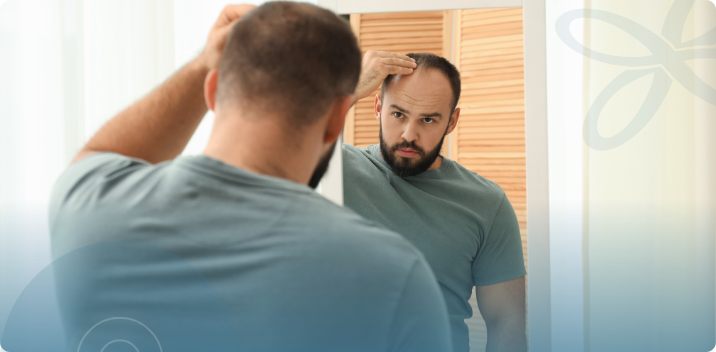
Hair usually thins because of several overlapping triggers, not one isolated problem. Genetics, hormone shifts, chronic stress, poor sleep, and inflammation can all push follicles into shorter, weaker growth cycles, so a clear plan starts with finding which of these are at play for you.
Dermatology experts note that the most common cause of thinning, known as hereditary hair loss, is shaped by both your genes and your hormones working together over time, as the American Academy of Dermatology explains. Genetics, hormone shifts, chronic stress, poor sleep, and inflammation can all push follicles into shorter, weaker growth cycles.
Your AgeRejuvenation team looks beyond the scalp itself. We review your medical history, medications, and lab work to see whether hormone imbalances, thyroid changes, or sleep and energy problems may be involved. When needed, supportive hormone care can be part of the plan so your internal environment helps hair growth instead of working against it.
This root cause approach helps make non-surgical hair loss treatment more effective, because the goal is not only to treat the surface but also to give your follicles a healthier foundation.
How Does PRP Help Wake Up Tired Follicles?
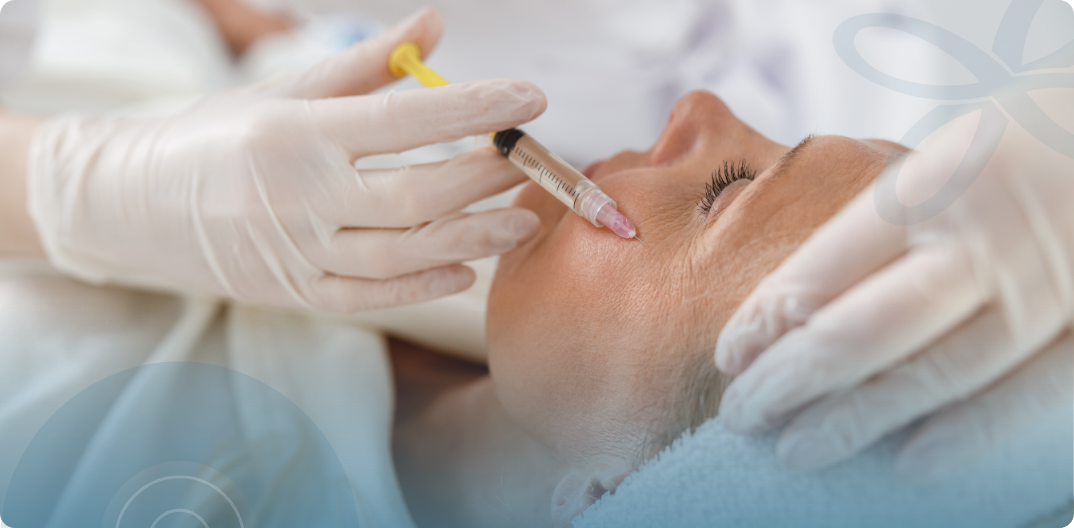
PRP uses a small sample of your own blood, spun to concentrate the platelets, which is then injected into thinning areas of the scalp. Those platelets release natural growth factors that can nudge resting follicles back into a more active growth phase.
These platelets are rich in natural growth factors that support tissue repair and blood flow. Research published through the National Institutes of Health has shown that injecting platelet-rich plasma can improve blood supply and increase the vascular structures around hair follicles, according to a widely cited review on PRP in hair regrowth. When this serum reaches thinning zones, it can help dormant follicles shift back toward building stronger hair.
What Happens During a PRP Session
A typical visit starts with photos and scalp mapping so progress can be tracked clearly over time. A small vial of blood is drawn and spun in a centrifuge to separate the platelet-rich portion. That golden layer is then injected in a grid pattern across the areas where your hair is thinning.
Most people describe the treatment as brief, sharp pinches that fade quickly. You may notice mild tenderness or small red dots on the scalp for a short time, but there is usually no real downtime, and you can go back to work or your normal routine the same day.
When You May Start to See Changes
PRP is rarely a one-time treatment. Most hair restoration plans include a series of sessions spaced a few weeks apart. For many patients, the first change is less shedding, followed by soft baby hairs that appear along the hairline or in previously thin zones around three to four months.
Improvements in density often continue for six to nine months as more follicles complete a healthier growth cycle. A Mayo Clinic pilot study in women with pattern hair loss found that PRP regrew hair about as well as standard topical therapy, with high patient satisfaction, based on Mayo Clinic research on PRP for hair. Some people experience a brief increase in shedding early on, sometimes called shock loss, as weaker hairs fall out to make room for stronger growth. Your provider explains this ahead of time, so it feels less alarming if it happens.
What Are the Benefits of PTD-DBM and Other Peptides for Hair Growth?
Peptides are short chains of amino acids that act as signals in the body. Certain peptides for hair growth are designed to communicate directly with cells inside the follicle and influence how they behave. PTD-DBM peptides are one of the most interesting tools in this group.
This peptide targets a key signaling pathway involved in hair development and regeneration. Laboratory research has shown that PTD-DBM works by blocking a protein called CXXC5, which normally suppresses the Wnt signaling pathway that drives hair growth, as described in a peer-reviewed study on targeting CXXC5 to stimulate hair regrowth. In simple terms, it helps more follicles move into and stay in the growth phase, instead of drifting into long resting periods where hair becomes finer and more sparse.
__Is_It_Right_for_You_and_Your_Thyroid__-_Banner.png?table=block&id=2bc141c5-4138-802f-b687-d08989a04083&cache=v2)
Why Combining PRP With PTD-DBM Can Enhance Results
PRP delivers a wide range of growth factors that nourish the scalp environment and support blood flow. PTD-DBM focuses on the internal switch that tells a follicle to start building a new hair shaft.
When you combine them in a non-surgical hair loss treatment plan, you support both the soil around the follicle and the engine inside it.
For the right candidate, this combination may:
Improve thickness and coverage in thinning areas.
Slow the miniaturization process that turns strong hairs into wispy strands.
Help more follicles stay in an active growth cycle.
At AgeRejuvenation, PTD-DBM peptides are used within a medically supervised program. Your response is monitored over time, and the plan can be adjusted, for example, by changing the timing of injections or layering in other supportive therapies when appropriate.
Building a Personalized Hair Restoration Plan at AgeRejuvenation
Every head of hair has its own story, so AgeRejuvenation avoids generic protocols. Your plan begins with a detailed consultation, photos, and a discussion about how long you have noticed thinning, where it started, and how it affects your confidence day to day.
In many cases, the plan will pair PRP therapy with PTD-DBM peptides and, when indicated, other peptides for hair growth. PRP and similar platelet treatments are widely recognized as a growth-factor-based form of regenerative care for hair loss, which is how the International Society of Hair Restoration Surgery describes them. Lifestyle factors are also part of the conversation. Stress management, nutrition, and sleep all have a real impact on how well follicles respond, so your team helps you strengthen these areas instead of leaving you to figure them out alone.
Other options may be discussed as well. Some patients continue or start topical medications or oral drugs that have been used for hair loss for years. The goal is not to push every possible tool but to build a realistic plan that fits your health, your schedule, and your budget. To see how these regenerative options connect, you can explore the full range of aesthetic and medical spa treatments offered at AgeRejuvenation.
Follow-up visits with updated photos help you see progress that may be hard to notice in the mirror day to day.
Frequently Asked Questions
Is PRP or PTD-DBM better for hair loss?
Neither one is simply better, because they do different jobs. PRP floods the scalp with your own growth factors and improves blood flow, while PTD-DBM targets the internal signaling that keeps follicles in a growth phase. For many patients, using them together supports both the environment around the follicle and the activity inside it.
How many PRP sessions do I need for hair?
Most hair restoration plans use a series of treatments rather than a single visit, often spaced a few weeks apart over the first few months, followed by maintenance sessions. The exact number depends on how much thinning you have, how your follicles respond, and your goals. Your provider sets a schedule after reviewing your scalp and history.
Does PTD-DBM peptide therapy actually work for hair growth?
Early laboratory and animal research suggests PTD-DBM can encourage hair regrowth by blocking CXXC5, a protein that normally slows the Wnt pathway tied to follicle activity. Human evidence is still developing, so AgeRejuvenation uses it as part of a supervised plan and monitors your results rather than promising a fixed outcome.
Are PRP and peptide hair treatments safe?
PRP uses your own blood, so the risk of allergic reaction is low, and common effects are limited to brief tenderness, minor swelling, or small red dots at injection sites. Peptides are given within a medically supervised program. Your provider reviews your health history first to confirm these therapies are appropriate for you.
How soon will I see results from combined hair restoration?
Many people notice reduced shedding first, often within the first couple of months, followed by fine new hairs around three to four months. Improvements in thickness and coverage tend to build over six to nine months. A brief uptick in shedding early on can happen as weaker hairs make room for stronger growth.
Conclusion
Combining PRP and PTD-DBM brings together two powerful approaches in a single non-surgical hair loss treatment. PRP supports the scalp with natural growth factors from your own blood, while targeted peptides send clear signals that encourage follicles to grow stronger hair. When this strategy is paired with careful lab testing, hormone balance, and lifestyle support, it can become a meaningful part of feeling more like yourself again.
If you are ready to explore a smarter way to care for thinning hair, we can help you compare your options and choose the therapies that match your goals and speak with a specialist about the next steps that make the most sense for you.
Ready to take the next step?
Talk with the AgeRejuvenation team about a Hair Restoration plan built around your labs and goals.