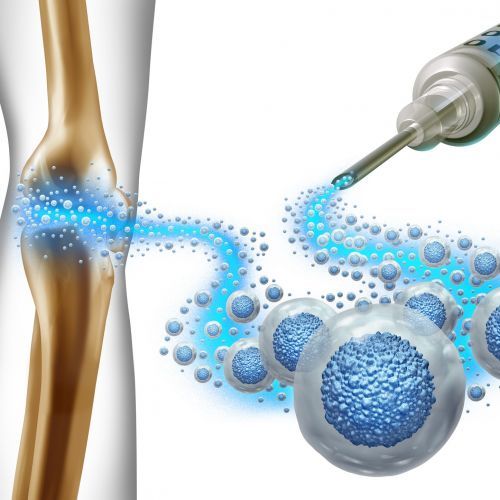
Stem cell therapy uses mesenchymal cells to calm inflammation and support tissue repair in damaged joints, discs, tendons, and bone. It is being studied and used for osteoarthritis, spinal degeneration, sports injuries, and slow-healing fractures, offering a minimally invasive alternative to surgery for the right candidates, with realistic, individualized expectations and benefits that often last months.
At AgeRejuvenation, we are committed to bringing cutting-edge regenerative therapies to our patients across Florida. Among the most promising developments in modern orthopedic medicine is the therapeutic application of stem cells. These remarkable biological tools are changing how we approach joint pain, sports injuries, and degenerative conditions by working with the body's own natural healing mechanisms.
What Is Stem Cell Therapy for Orthopedic Conditions?
Stem cell therapy for orthopedic conditions uses the body's own raw-material cells to calm inflammation and support tissue repair in damaged joints, tendons, and bone. Doctors inject concentrated cells into the injured area, where they can help create a healthier healing environment.
Stem cells are the body's raw materials, the cells from which all other specialized cells with specific functions are generated. Under the right conditions, stem cells divide to form more cells called daughter cells, which either become new stem cells or specialized cells with specific functions, such as bone, cartilage, or muscle cells. This adaptability is what makes them so attractive for repairing the musculoskeletal system.
In orthopedic applications, we primarily use mesenchymal stem cells (MSCs), which can be harvested from bone marrow, adipose (fat) tissue, or umbilical cord tissue. These cells possess unique regenerative properties that make them well suited to treating musculoskeletal conditions. When properly administered, they can reduce inflammation, promote tissue repair, and potentially support healthier tissue in damaged areas. For patients weighing options beyond medication and surgery, our stem cell therapy for joints and soft tissue is designed to put these natural processes to work.
When injected into damaged joints or injured tissues, stem cells may:
Reduce inflammation, a key factor in chronic pain and arthritis.
Stimulate tissue regeneration, supporting the repair of cartilage, tendons, and ligaments.
Slow or limit degeneration, helping protect against further joint deterioration.
Which Orthopedic Conditions Can Stem Cell Therapy Help?
Stem cell therapy is being studied and used for osteoarthritis, spinal degeneration, sports injuries, and slow-healing fractures. It targets the underlying tissue rather than only masking pain, which is what sets it apart from many traditional approaches. These cell-based treatments sit within the broader field of regenerative medicine and tissue-repair care that aims to restore function instead of simply quieting symptoms.
Transforming osteoarthritis treatment: Osteoarthritis is one of the most common reasons people explore stem cell therapy. It is the most widespread form of arthritis and develops as the cartilage cushioning the bones gradually wears down in the hands, knees, hips, and spine, causing pain, stiffness, and reduced mobility.
Traditional treatments like pain medications and corticosteroid injections often address only symptoms without targeting the underlying degeneration. Because osteoarthritis has no cure and standard care focuses on managing symptoms, many patients look for approaches that engage the joint itself. When introduced into an arthritic joint, stem cells can help create a healthier environment by secreting growth factors and anti-inflammatory compounds. A recent research review found that, compared with placebo, stem cell injections may slightly improve knee pain and function for up to six months, which is why honest expectations matter as much as the procedure itself.
Addressing spinal degeneration: Spine conditions present unique challenges for conventional medicine. Degenerative disc disease and facet joint arthritis can cause debilitating back pain with limited effective treatment options. Surgery carries significant risks and recovery time, while medications may provide only temporary relief.
Stem cell therapy offers a minimally invasive alternative for appropriate candidates. By delivering stem cells directly to damaged discs or facet joints, we can potentially slow degenerative processes and support tissue repair. The procedure requires only local anesthesia and typically allows patients to return to normal activities within days rather than the weeks or months often needed after surgical intervention. Promising outcomes have been observed in patients with chronic back pain who did not respond to conventional therapies.
Accelerating recovery from sports injuries: For athletes and active individuals, sports injuries can be particularly devastating. Ligament tears, tendon injuries, and muscle strains not only cause immediate pain but can lead to long-term functional deficits and increased risk for future injuries. At AgeRejuvenation, we have used stem cell treatments for conditions including:
Partial ligament tears, including ACL injuries
Rotator cuff tendinopathy and partial tears
Tennis and golfer's elbow
Achilles tendon injuries
Muscle strains and tears
The regenerative properties of stem cells may help reduce recovery time while potentially improving the quality of healed tissue. This can be especially beneficial for competitive athletes and older active adults, where a faster return to activity with lower reinjury risk is paramount.
Non-healing fractures and bone loss: For patients with slow-healing fractures or osteoporosis-related bone loss, stem cells can help stimulate bone regeneration, supporting recovery and reducing complications.
Can Stem Cells Actually Regrow Joint Cartilage?
Stem cells show real promise for cartilage repair, but full regrowth of normal joint cartilage in humans is not yet a proven, routine outcome. Most current benefits come from reduced inflammation and a healthier joint environment rather than guaranteed new cartilage.
The leading orthopedic society notes that stem cells capable of regrowing the normal cartilage covering a joint would be a far superior treatment to those currently available, which signals both the excitement and the honesty needed here. Early laboratory and animal research has guided skeletal stem cells to produce cartilage instead of bone, a hopeful sign for the future of joint repair. For now, the most reliable real-world gains tend to be in comfort, function, and slowing further wear.
Why Choose Stem Cell Therapy Over Surgery?
For appropriate candidates, stem cell therapy can offer a minimally invasive alternative to surgery, with no hospital stay, no implanted hardware, and a quicker return to daily activities. It works best as one part of a thoughtful, individualized plan rather than a one-size-fits-all fix.
While surgery is sometimes necessary, it often involves long recovery times, infection risks, and potential complications. Stem cell therapy, by contrast, offers a natural alternative with benefits such as:
No hospital stays, since it is performed as an outpatient procedure.
Lower risk of complications, with no foreign implants or metal hardware.
Faster recovery, with many patients resuming normal activities within days.
Long-term healing, addressing the underlying cause rather than just symptoms.
The AgeRejuvenation Approach
What distinguishes our approach at AgeRejuvenation is our comprehensive evaluation process. Not every patient is an ideal candidate for stem cell therapy, and outcomes depend on numerous factors including age, overall health, and the specific nature of the orthopedic condition.
Our medical team conducts thorough assessments, including advanced diagnostic imaging, to determine whether stem cell therapy is appropriate. We then create personalized treatment plans that may combine cell-based care with complementary approaches such as physical therapy, nutrition optimization, and targeted exercise programs to maximize results.
The future of orthopedic medicine lies in regenerative approaches that work with the body's natural healing mechanisms rather than simply masking symptoms. As research continues to advance, we remain committed to providing patients across Florida with effective, evidence-based stem cell treatments, helping them pursue lasting relief and improved function without unnecessary surgery or medication dependence.
Frequently Asked Questions
How many years does stem cell therapy last?
Results vary widely by patient and condition. Many people with joint arthritis report meaningful relief lasting several months to a year or more, while some notice longer benefit when therapy is paired with physical therapy and healthy lifestyle changes. Because outcomes differ, a personalized evaluation gives the most realistic timeline for your situation.
Who is not a good candidate for stem cell therapy?
People with active infections, certain cancers, advanced or end-stage joint destruction, or untreated bleeding disorders may not be suitable candidates. Very advanced osteoarthritis with little remaining cartilage may also respond poorly. A thorough assessment with diagnostic imaging is the only reliable way to know whether the therapy is right for you.
Will insurance pay for stem cell injections?
In most cases, stem cell injections for orthopedic conditions are considered investigational and are not covered by insurance, so patients typically pay out of pocket. Coverage policies change over time, so it is worth confirming current details with both your insurer and our office during your consultation.
Are stem cell injections safe?
When performed by qualified clinicians using appropriate cell sources and sterile technique, stem cell injections are generally well tolerated, with most side effects being mild and temporary, such as soreness or swelling at the injection site. As with any medical procedure, risks exist, which is why careful candidate screening and an experienced team are essential.
How is stem cell therapy different from PRP?
Both are regenerative injections, but they use different materials. PRP concentrates healing platelets and growth factors drawn from your own blood, while stem cell therapy uses mesenchymal stem cells that can support tissue repair more broadly. Some treatment plans combine the two, and the right choice depends on your specific condition and goals.
For more information about how stem cell therapy might help with your orthopedic condition, contact AgeRejuvenation today for a personalized consultation with our expert medical team.
Ready to take the next step?
Talk with the AgeRejuvenation team about a Stem Cell Therapy plan built around your labs and goals.