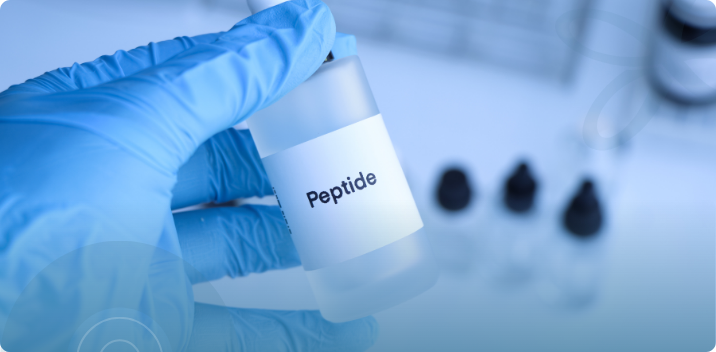
Bremelanotide PT-141 is a peptide that targets brain pathways tied to sexual desire, not blood flow, which is why it is discussed for women facing distressing low libido. It is FDA-approved for premenopausal women with HSDD, used before activity, and chosen only after a full health review. At AgeRejuvenation in Orlando, FL, formerly our Winter Park clinic, it fits inside a broader sexual wellness plan.
For many women, female sexual desire enhancement becomes part of the conversation when intimacy starts to feel different than it once did. Sometimes the shift shows up as lower interest. In other cases, desire is still there, but the body no longer responds with the same ease or intensity.
At AgeRejuvenation, we look at this through a broader sexual health lens because desire, arousal, comfort, and sensation are closely connected. When one part of that system shifts, the rest of the experience can change with it.
Why Does Low Desire Feel More Complex Than Expected?
Low desire feels complicated because it rarely comes from a single cause. Hormones, tissue health, stress, sleep, relationship strain, and physical comfort can all play a role at the same time, which is why a one-size answer almost never fits.
Female libido is rarely shaped by one factor alone. Hormonal shifts can influence it, but so can vaginal dryness, discomfort during intimacy, stress, emotional fatigue, and changes in tissue health. That is part of what makes low desire feel so frustrating. A woman may still want closeness and connection, yet feel that her body is less engaged than before. Specialists at the Cleveland Clinic describe female sexual concerns as commonly multifactorial, meaning physical, hormonal, and emotional pieces tend to overlap rather than act alone, as outlined in their overview of female sexual dysfunction.
At AgeRejuvenation, we approach that concern as part of a wider sexual wellness picture. We look at how physical, hormonal, and quality-of-life changes may be affecting desire, arousal, and overall sexual function. That broader perspective helps us keep the conversation grounded in what the patient is actually experiencing.
How Does Bremelanotide PT-141 Work?
Bremelanotide, also called PT-141, works on the brain rather than on blood flow. It activates melanocortin receptors in the central nervous system, the pathways tied to sexual desire and arousal, so it influences the signal for desire itself rather than the mechanics of circulation.
This is a meaningful difference from medications that target the vascular system. Researchers in a peer-reviewed review of bremelanotide note that it is a melanocortinergic agent studied for female sexual function, which is why it broadens the conversation beyond blood-flow-based options. At AgeRejuvenation, we offer this treatment as part of our peptide-based sexual wellness program built around how desire and arousal actually work, for patients dealing with changes in arousal, responsiveness, and sexual function. It is given by subcutaneous injection and is often discussed when women want a more targeted option within a broader care plan.
Desire and Arousal Often Influence Each Other
Desire and arousal are sometimes described as separate, but they often overlap in daily life. When arousal feels less consistent, desire can begin to feel less accessible too. That is one reason the clinical conversation around libido tends to be more nuanced than many women expect.
PT-141 Adds Another Option to the Discussion
At AgeRejuvenation, we may discuss PT-141 with women who are noticing changes in arousal, sensation, orgasm, or overall sexual responsiveness. In that setting, the value of the peptide is not just that it exists as an option. It is that it gives us another way to build care around what the patient is feeling and what they want to improve.

Who Is PT-141 Actually For?
PT-141 is most often considered for premenopausal women whose main concern is distressing low sexual desire, sometimes described clinically as hypoactive sexual desire disorder. The decision always depends on a full review of health history rather than the symptom alone.
The injectable form of bremelanotide is approved to treat hypoactive sexual desire disorder in premenopausal women who previously had normal desire and now find the change distressing, according to Mayo Clinic prescribing information. That same source notes it is not intended for women who have gone through menopause, and that certain heart and blood pressure conditions make it unsuitable. This is why a careful conversation matters before anyone considers it.
Why Does This Peptide Draw Attention in Women's Sexual Health?
This peptide draws attention because it targets the brain's desire signal directly, which is different from most older options. For women who still want connection but feel less responsive, that mechanism speaks to the actual experience they describe.
Women usually do not describe low libido in abstract terms. They talk about feeling less connected to intimacy, less responsive during sexual activity, or less comfortable in their own body than they used to feel. Those concerns deserve a thoughtful and clinically grounded conversation. Major medical groups encourage women to raise sexual health changes with a clinician, since these shifts are common and treatable, a point reinforced by ACOG patient guidance on sexual health.
At AgeRejuvenation, we provide care that takes those concerns seriously and places them within a more complete plan for sexual and hormonal wellness across our women's health and wellness services. PT-141 can be part of that discussion for women whose main concern centers on desire, arousal, and sexual responsiveness, especially when those changes are affecting confidence, relationships, or overall well-being. For women whose central frustration is the lingering drop in interest known as female low libido, this peptide gives the care plan a focused, mechanism-based starting point.
What Do We Review Before Recommending PT-141?
Before recommending PT-141, we review what you have noticed, how long it has been present, your health history, and any symptoms showing up alongside it. That picture helps us decide whether the peptide fits and how it should be combined with other support.
At AgeRejuvenation, we do not look at libido concerns in isolation. The review may include vaginal dryness, pain during intimacy, changes in sensation, hormone-related concerns, or a difference in overall responsiveness. Two women may both describe lower desire, but the pattern behind that change may look very different from one person to the next. Looking at the full picture helps us decide whether PT-141 fits naturally within the care plan and how it may work alongside other sexual wellness options.
How Fast Does PT-141 Work, and How Often Is It Used?
PT-141 is designed to be used as needed rather than daily. It is typically taken before anticipated sexual activity, often around 45 minutes ahead, and many clinicians advise spacing doses out rather than using it back to back.
The injectable form is generally administered at least 45 minutes before activity, with monthly use limited rather than open-ended, as Mayo Clinic prescribing guidance describes. Because the response can vary from person to person, the timing and frequency that work best are part of what we discuss together. Newer research into the broader biology of desire, including Imperial College London studies on the hormone kisspeptin and sexual response, continues to underscore how much of female desire is driven by brain signaling, which is exactly the system PT-141 engages.
Why Winter Park Patients Often Look for Local Support
Having care close to home can make these conversations easier to begin and easier to continue over time. For patients in Winter Park, FL, that can be especially helpful for those balancing work, relationships, and a full schedule while trying to address something that already feels personal. Our Orlando clinic on the S Orange Ave medical corridor, formerly our Winter Park location, is a short drive south and makes follow-up feel more manageable, with space to revisit the plan as needs evolve.
At AgeRejuvenation, we also care for patients through our other Florida locations in South Tampa, Brandon, Wesley Chapel, and Winter Garden. For women in the Winter Park area, our Orlando clinic offers a practical place to talk through sexual health concerns with a team that understands how layered these changes can feel.
A More Focused Consultation for Low Desire Concerns
The consultation is where the broader pattern becomes easier to understand. We talk through changes in desire, arousal, sensation, comfort, and overall sexual well-being. That discussion may also include hormone-related symptoms, tissue changes, or discomfort during intimacy, since these concerns often overlap.
For women exploring female sexual desire enhancement, this kind of review can make the process feel clearer, more practical, and more closely aligned with what they are actually experiencing. It also creates room for direct questions about whether PT-141 belongs in the plan and how it may fit alongside other services we offer.

Frequently Asked Questions
What is the best peptide for female libido?
For women whose central concern is low sexual desire, bremelanotide (PT-141) is the peptide most often discussed in clinical settings because it acts on brain pathways tied to arousal rather than on blood flow. The right choice still depends on your health history, symptoms, and goals, which is why a personalized review matters.
How fast does PT-141 work for women?
PT-141 is typically used before anticipated activity and is generally administered at least 45 minutes ahead, since it takes time to reach full effect. The response can vary from person to person, so the ideal timing is something to discuss with your provider rather than assume from a single rule.
Who should not take PT-141?
According to Mayo Clinic prescribing information, the injectable form is not intended for women who have gone through menopause, and it is not recommended for people with uncontrolled high blood pressure or certain heart and blood vessel conditions. A full health review helps determine whether it is a safe option for you.
What are the common side effects of PT-141?
The most commonly reported side effect is nausea, especially in the first hour after a dose. Some people also notice flushing or, less often, temporary skin darkening with repeated use. Reviewing your history and monitoring how you respond helps keep treatment as comfortable as possible.
Is low libido in women treatable?
Yes. Female sexual concerns are common and often treatable, and major medical groups encourage women to raise these changes with a clinician. Because the causes can be hormonal, physical, or emotional, treatment works best when it is shaped around the full pattern behind what has changed.
Conclusion
Changes in libido can affect far more than intimacy alone. They can influence confidence, connection, and how a woman feels in her own body. For women exploring female sexual desire enhancement, Bremelanotide PT-141 brings a peptide-based option into a broader conversation about arousal, responsiveness, and sexual wellness.
At AgeRejuvenation, we take that wider clinical view so care can be shaped around the individual and the full pattern behind what has changed. When you are ready to move forward, schedule an appointment and take the next step toward more personalized support.
Ready to take the next step?
Talk with the AgeRejuvenation team about a Bremelanotide (PT-141) Peptide Therapy plan built around your labs and goals.