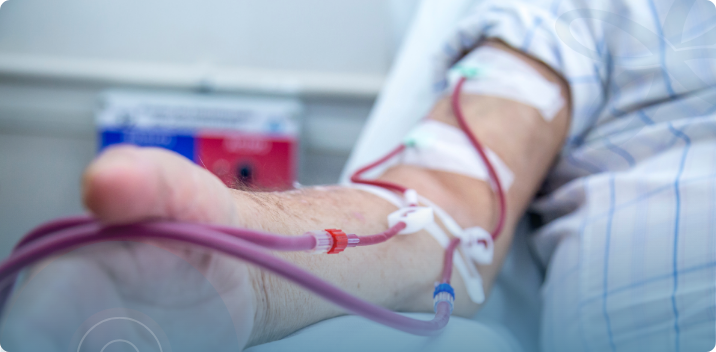
Cellular Plasma Recharge is a high-volume, filtered form of ozone therapy that circulates a large share of your blood through a closed, monitored circuit, while standard ozone therapy usually treats a smaller batch. Neither is universally better. The right choice depends on your goals, your tolerance for a longer session, and how much clinical oversight and screening you want before starting.
If you are comparing Cellular Plasma Recharge (formerly known as EBOO) vs. ozone therapy, you are probably not chasing a trend. You are looking for a smarter way to support energy, recovery, and day-to-day function when your body feels stuck in a stressed, inflamed state. The hard part is that these terms can sound similar, even though the delivery method, level of control, and overall experience can be very different.
Here is a clear, science-aware way to think about both options so you can make a decision that fits your goals, schedule, and comfort level.
What Is the Difference Between Cellular Plasma Recharge and Ozone Therapy?
Cellular Plasma Recharge is a high-volume, filtered form of ozone therapy that circulates a large portion of your blood through a closed circuit, while standard ozone therapy usually treats a smaller batch of blood and reinfuses it. The route shapes the entire experience. A peer-reviewed clinical description of extracorporeal blood oxygenation and ozonation frames Cellular Plasma Recharge as a more structured, continuous approach than older single-pass methods. That structure affects how much of the body is involved, how standardized the protocol is from one clinic to the next, and what level of monitoring can be built into the visit.
A clearer way to think about it is to move away from rankings and focus on specifics. Ask which method is being used, what the protocol is intended to support, and how the clinic determines whether it is appropriate for you. If you want a guided comparison and a candidacy review, our team that provides filtered ozone blood treatment in South Tampa can walk you through both paths.
The Mechanism That Matters Most
The comparison starts with the method, not the message. In ozone-based care, three variables shape the experience and the level of consistency you can expect: how much volume is involved, how long the exposure lasts, and how tightly the protocol is controlled from start to finish.
In a wellness setting, ozone is often used for its ability to create a brief, measurable biological signal. A published clinical review of ozone therapy describes how controlled, low-dose ozone exposure can act on processes tied to oxidative balance and circulation. That signal can influence how the body regulates pathways linked to inflammation and antioxidant activity, which is part of the normal way the body responds to stress and injury, as Cleveland Clinic explains about inflammation. Delivery affects the intensity of the signal, the kind of monitoring a clinic can provide, and how reliably the protocol can be repeated over time.
How Cellular Plasma Recharge Works
Cellular Plasma Recharge stands for extracorporeal blood oxygenation and ozonation, sometimes referred to as EBO2. During a session, a portion of your blood moves through a closed-loop circuit outside the body, where it is oxygenated and carefully exposed to ozone, then returned under clinical monitoring. Many protocols also add filtration within the same system as part of the overall design. A 2022 analysis of ozone dialysis and blood oxygenation documents how this kind of high-volume, filtered approach interacts with blood components during treatment.
This procedure is often described as a whole-body approach because it works through a structured circulation process rather than targeting one specific region. Patients typically explore it when they want support that aligns with recovery, inflammatory burden, and day-to-day resilience. It is one of several oxidative and recovery options grouped within our broader wellness center services.
How Ozone Therapy Is Often Delivered
Traditional ozone-based options vary widely across clinics. In many settings, ozone is used through methods that involve treating blood and reinfusing it, while other protocols use different administration routes based on the provider's training and the patient's goals. Because there is no single standard approach, two people can describe having ozone therapy and still be referring to very different protocols.
For that reason, it is worth asking for the exact method being used, why it was selected for your case, and what criteria the clinic uses to confirm you are an appropriate candidate.

Is Cellular Plasma Recharge Better Than Standard Ozone Therapy?
Neither option is universally better. Cellular Plasma Recharge tends to be selected when someone wants a higher-volume, filtered, whole-body approach with close monitoring, while standard ozone therapy is often a lighter, shorter entry point. The right choice depends on your goals, your tolerance for a more involved session, and how much clinical oversight you want. The most useful comparison is not which method ranks higher, but which one matches your situation and can be repeated consistently.
A Decision Framework For Busy Professionals
If you are a high-functioning adult with a demanding schedule, the best choice is usually the one you can follow consistently and evaluate clearly. Here are practical decision points that tend to matter more than hype.
Your primary goal: recovery support, inflammation management, cognitive clarity, or overall performance.
Your tolerance for intensity: some people prefer a gradual approach that feels predictable; others are comfortable with more involved protocols.
How you want progress measured: symptom tracking, functional markers, and follow-up structure.
How much oversight you expect: monitoring, protocol standards, and how decisions are made.
Questions Worth Asking Any Clinic Before You Start
Use these questions to cut through vague promises:
What exact method are you using, and why is it the right fit for my goals?
What do you screen for before recommending a protocol?
How do you monitor me during the session?
What would make you pause, adjust, or stop a session?
How do you structure follow-up, and what should I track between visits?
What results are realistic for my situation, and what is outside the scope of this service?
These questions work because they force clarity. They also tell you whether a clinic is thinking in terms of systems, safety, and measurable outcomes. Because ozone is a reactive gas that must be generated and handled carefully, as the EPA notes about ozone, the quality of equipment and protocol control is not a minor detail.
Why Age Rejuvenation Is a Strategic Choice in South Tampa
We built Age Rejuvenation for people who value precision and want a plan that holds up in real life. Our care is guided by diagnostics, medical oversight, and therapies selected with a clear clinical purpose, so you are not guessing your way through the next step. Our advanced ozone blood treatment program is structured around screening, monitoring, and a follow-up plan you can actually keep.
We have five locations across Florida:
1155 Nikki View Drive, Brandon, FL
220 N Howard Ave, Tampa, FL
1940 Bruce B. Downs Blvd, Wesley Chapel, FL
5730 Hamlin Groves Tr #176, Winter Garden, FL
1523 S Orange Ave, Orlando, FL 32806
Cellular Plasma Recharge is available exclusively at our South Tampa location at 220 N Howard Ave. For patients commuting from Hyde Park or nearby neighborhoods, getting here is straightforward along the S Howard Ave corridor. If you are coming from Brandon, Wesley Chapel, Winter Garden, or Winter Park, many patients plan visits around workdays in Tampa to keep care efficient and consistent.
Your First Session Starts With Eligibility and Clarity
We begin with clarity, not assumptions, by confirming whether this service is the right fit for your health history and goals.
What We Review Before Recommending Either Option
We review your medical history, current medications and supplements, and what you want to improve most. We also consider factors that influence tolerance, including hydration, circulation-related considerations, and how you have responded to similar therapies in the past.
That level of screening is essential because the best option depends on the person, not just the symptom list. Two patients can describe the same issue and still need a different approach based on risk factors, priorities, and how their body tends to respond.
How We Set a Plan You Can Actually Follow
A useful plan has to fit your life. We explain what the protocol is intended to support, what to track afterward, and how follow-up is handled, so you are not left guessing between visits.
Many patients see the best momentum when advanced therapies are paired with fundamentals that consistently shape outcomes, such as sleep quality, adequate protein, hydration, and stress regulation. Our recommendations stay practical and specific, so you can follow them on normal weeks, not only when everything goes perfectly.

Frequently Asked Questions
Is Cellular Plasma Recharge treatment the same as dialysis?
No. Cellular Plasma Recharge uses filters similar to those used in dialysis, but the setup and purpose are different. It does not use dialysate fluid the way dialysis does, and its goal is to oxygenate, ozonate, and filter a portion of your blood rather than replace kidney function. It is a wellness-oriented procedure, not a treatment for kidney failure.
How do you feel after an Cellular Plasma Recharge session?
Most people tolerate Cellular Plasma Recharge well, and any side effects tend to be mild and short lived when the procedure is administered correctly. Some patients notice fatigue, a mild headache, or flu-like feelings for a day or two, which are often linked to shifts in inflammation rather than harm. Hydration and rest usually help, and your clinic should review what to expect beforehand.
How much does Cellular Plasma Recharge cost in the United States?
Pricing varies by region, equipment, and whether sessions are bundled into a package. Costs differ widely from clinic to clinic, so the most reliable number is a written estimate from the provider you are considering. Ask whether the quote includes screening, monitoring, and follow-up, since those steps are part of doing the procedure safely and tracking your results over time.
Who is generally not a candidate for ozone-based therapy?
Candidacy depends on your health history, current medications, and certain risk factors, which is why screening comes first. People with specific conditions or sensitivities may not be appropriate candidates, and a careful clinic will tell you when a protocol is not the right fit. The honest answer to candidacy only comes after a provider reviews your individual situation.
How is Cellular Plasma Recharge different from standard ozone therapy?
The biggest differences are blood volume, filtration, session length, and monitoring. Cellular Plasma Recharge circulates and filters a larger portion of your blood in a longer, more structured session, while standard ozone therapy usually treats a smaller batch in a shorter visit. Because there is no single industry standard for ozone delivery, always confirm the exact method and protocol before you begin.
Conclusion
Choosing between Cellular Plasma Recharge vs. ozone therapy comes down to fit: your goals, your comfort level with the process, and the degree of clinical oversight you want. Once you understand how delivery changes standardization, monitoring, and repeatability, it becomes easier to weigh your options with confidence.
If you would like a provider-led recommendation based on your history and priorities, the next step is to schedule an appointment so we can review candidacy and map out a plan that makes sense for you.
Ready to take the next step?
Talk with the AgeRejuvenation team about a Cellular Plasma Recharge plan built around your labs and goals.