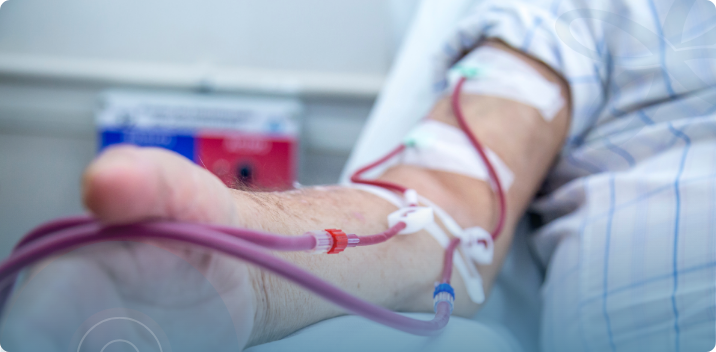
Cellular Plasma Recharge in South Tampa is a clinically supervised process that circulates your blood through a filtration system while adding medical-grade ozone, then returns it. It may support circulation, oxidative balance, and recovery when fatigue or inflammation linger. AgeRejuvenation offers Cellular Plasma Recharge exclusively at its South Tampa clinic with careful screening, monitoring, and structured aftercare.
If you are searching for Cellular Plasma Recharge (formerly known as EBOO) in South Tampa, you are likely looking for a medically grounded option, not a wellness trend. Many high-performing adults reach a point where the body feels less resilient, even when routines stay consistent. That can reflect real physiology, including sympathetic nervous system strain, inflammatory load, and stress physiology that makes it harder to fully reset.
At AgeRejuvenation, our care is built for patients who value clear clinical reasoning, strong safety standards, and measurable progress. Cellular Plasma Recharge is offered exclusively at our South Tampa clinic, where we pair advanced therapy protocols with medical oversight in a setting designed to fit a busy schedule. You can review the full clinical detail on our South Tampa ozone-based blood filtration service before you book a consultation.
Why Can You Feel Fine on Paper but Still Feel Off?
You can feel run-down with mostly normal labs because the body is often compensating behind the scenes. When your system is under sustained demand, the sympathetic nervous system can stay activated longer than it should, which influences circulation, immune signaling, and recovery in ways a basic panel may not capture.
A common story looks like this: your labs read fine, you sleep enough, you exercise, and you still feel depleted. Over time, prolonged demand can also affect how your body manages oxidative stress, the imbalance between free radicals and antioxidants that drives cellular wear and contributes to many chronic conditions, according to Cleveland Clinic patient education on oxidative stress.
Here are a few reasons people start looking beyond basic wellness routines:
Lingering fatigue that does not match your workload or training plan.
Brain fog that shows up in the afternoon, especially after stress-heavy days.
Slow recovery after travel, hard workouts, or long work weeks.
Inflammation patterns that make you feel sore or stiff.
A sense of depleted capacity, even when your habits are solid.
Persistent stress itself is not harmless. Chronic activation of the stress response keeps hormones like cortisol elevated and is linked to anxiety, cardiovascular strain, and digestive issues, as Mayo Clinic notes in its overview of chronic stress. Cellular Plasma Recharge is not positioned as a quick fix. It is a structured intervention that may support the body when standard inputs are no longer enough to shift the needle. Patients dealing with relentless tiredness often start by exploring our chronic fatigue care pathway to understand the bigger picture.
How Does Cellular Plasma Recharge Actually Work?
Cellular Plasma Recharge works by circulating your blood outside the body through a specialized medical filter while introducing medical-grade ozone, then returning the treated blood to you. The aim is to influence biological signaling and support oxygenation, not to mask symptoms. Cellular Plasma Recharge stands for extracorporeal blood oxygenation and ozonation.
This is an established clinical technique, not a fringe idea. A peer-reviewed clinical evaluation of the method, indexed by the National Institutes of Health, describes Cellular Plasma Recharge as a controlled extracorporeal process studied across structured treatment cycles. Understanding that foundation helps set realistic expectations about what the therapy can and cannot do.
Oxidative Signaling and Immune Modulation
Ozone therapy is often misunderstood because the word "oxidation" is linked to tissue damage in everyday conversations. In a clinical setting, the intent is different.
The protocol uses carefully controlled oxidative signaling, which can prompt the body to adjust its protective responses. A clinical review of ozone therapy published through the National Institutes of Health discusses how measured oxidative exposure may upregulate antioxidant defenses. Depending on the patient and the dosing strategy, that signaling may support antioxidant activity and help regulate aspects of immune function.
Clinical terms help explain what is happening without oversimplifying it. The body relies on coordinated signaling between inflammatory messengers such as cytokines, redox pathways, and mitochondrial activity. When these systems are under strain, stress physiology can amplify inflammatory signaling, and elevated inflammation can make the nervous system more reactive to stress.
Circulation, Filtration, and Physiological Regulation
The filtration component is one reason some patients consider Cellular Plasma Recharge when they feel chronically inflamed or fatigued. Supporting circulation and reducing certain burdens may help the body restore steadier regulation.
Not everyone will respond the same way, and expectations should stay grounded. Still, the mechanism is straightforward. It is a targeted, supervised process intended to support physiological regulation when the body has been operating in a prolonged high-demand state. Cellular Plasma Recharge sits within our broader wellness center menu of supervised therapies, so it can be combined thoughtfully with other supportive care.
Is Cellular Plasma Recharge Safe, and Who Should Pause?
Cellular Plasma Recharge is generally well tolerated when performed by a qualified team, but it is not right for everyone, which is why careful screening matters. Any therapy involving extracorporeal circulation should be approached with respect, with the care team reviewing vitals and medical history in detail.
People with certain conditions or medical complexities may not be candidates, and that is a normal part of practicing responsibly. Managing your everyday stress load matters too. The American Heart Association emphasizes that long-term stress reduction supports cardiovascular and overall health, which complements any in-clinic protocol. The goal is not to sell a protocol to everyone. The goal is to match the right tool to the right physiology.
Why AgeRejuvenation Fits the South Tampa Workday
For many South Tampa patients, access is part of the decision, especially when you are balancing work, training, and family responsibilities. Cellular Plasma Recharge is offered at our South Tampa clinic at 220 N Howard Ave, positioned for people who already move through the SoHo area. Patients often come in from Hyde Park using S Howard Ave, from Bayshore Blvd, or from nearby neighborhoods like Palma Ceia and Davis Islands, where a direct route and predictable timing make it easier to follow through on care.
AgeRejuvenation also has additional clinics across Florida, which can be helpful for patients who travel frequently or want a consistent medical team for other services and follow-up care.
While Cellular Plasma Recharge is only available in South Tampa, our other Florida locations make it easier to stay consistent with follow-up care and related services.
What Happens During an Cellular Plasma Recharge Session?
An Cellular Plasma Recharge session follows a defined, supervised sequence with three clear stages: screening and baseline checks, the treatment itself, and structured aftercare. Knowing the structure ahead of time removes most of the guesswork and helps you plan your day around the visit. If you want the deeper procedural breakdown, our ozone blood filtration treatment page walks through each step.
Pre-Session Screening and Baseline Checks
Your visit typically starts with a clinical intake. Expect a review of symptoms, goals, and medical history. Vitals are taken, and the care team checks for factors that affect candidacy and tolerance. This is where we align expectations, discuss risks, and confirm whether the therapy fits your current health picture.
During the Session: What It Feels Like
Most patients describe the session as calm and supervised. You are monitored throughout, and the team watches for changes in how you feel. Sensations vary, but the goal is to keep the experience stable and well-controlled. If something feels off, clinicians adjust quickly. That is the difference between a medical protocol and a wellness trend.
Aftercare and a Practical Recovery Window
Post-session guidance is usually simple: hydration, pacing, and awareness of how your body responds over the next day. Some people feel more clear-headed. Others feel tired and want a quieter evening. Your schedule and baseline stress load influence that response, so the best plan is to keep the next 24 hours flexible when possible.
If you are considering Cellular Plasma Recharge in South Tampa, the most useful next step is not self-diagnosis. It is a clinical conversation that clarifies whether you are a good fit and what outcomes are realistic for your physiology.

Frequently Asked Questions
How much does Cellular Plasma Recharge cost in the United States?
Cellular Plasma Recharge pricing varies by region, provider, and whether you buy a single session or a package. Industry guides place typical sessions in a wide range, and costs can climb in high-demand markets. Because pricing depends on your specific protocol, the most accurate figure comes from a direct consultation rather than an online estimate.
Is Cellular Plasma Recharge covered by insurance?
Cellular Plasma Recharge is generally not covered by health insurance, since it is considered an elective wellness therapy rather than a standard medical treatment. It is still worth contacting your insurer to confirm your benefits and understand any out-of-pocket costs before you schedule.
What is the difference between Cellular Plasma Recharge and regular ozone therapy?
Standard ozone therapy treats a smaller volume of blood, while Cellular Plasma Recharge circulates a larger volume through a filtration system that also introduces ozone and oxygen. That combination of higher-volume processing plus filtration is why many providers describe Cellular Plasma Recharge as a more comprehensive form of ozone therapy.
Are there side effects from Cellular Plasma Recharge?
Most patients tolerate Cellular Plasma Recharge well, and side effects are usually mild, such as temporary fatigue, lightheadedness, or feeling cold during circulation. Careful screening, monitoring of vitals, and proper hydration help reduce risks. Anyone with significant medical complexity should be evaluated before proceeding.
How will I feel after an Cellular Plasma Recharge session?
Responses differ from person to person. Some patients report feeling more clear-headed and energized, while others feel tired and prefer a quiet evening as the body adjusts. Your baseline stress load and how busy your day is can both shape how you feel afterward.
Conclusion
For the right patient, Cellular Plasma Recharge in South Tampa may be a reasonable option within a longevity-focused care plan, particularly when ongoing fatigue, inflammation patterns, or prolonged recovery begin to affect day-to-day function.
Its role is a clinically supervised protocol with defined screening, a clear process, and a team that evaluates physiology in context rather than treating symptoms in isolation.
If you would like a practical next step, speak with our team and schedule an appointment to review your health history, priorities, and whether Cellular Plasma Recharge is appropriate for your current needs.
Ready to take the next step?
Talk with the AgeRejuvenation team about a Eboo Therapy plan built around your labs and goals.