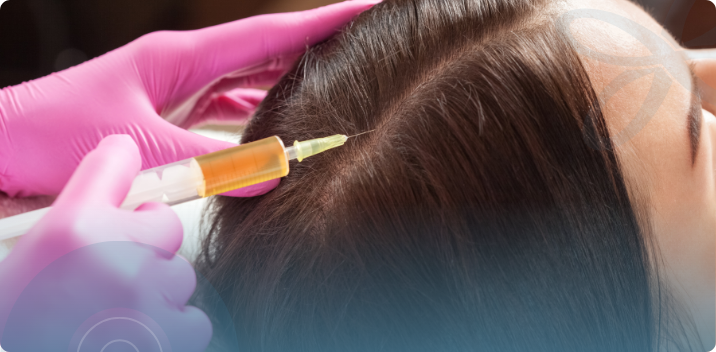
Hair shedding is often a whole-body signal, not just a scalp problem. Zinc thymulin is a peptide studied for extending the hair growth phase by supporting immune balance and follicle signaling. At AgeRejuvenation across Central Florida, it is used inside a root-cause plan that checks thyroid, hormones, nutrients, and stress first, then adds the peptide only when the pattern fits.
Hair shedding can be deceptively disruptive. It often starts quietly: more hair in the shower, a widening part, a ponytail that feels thinner, and then it becomes hard to ignore. For many high-functioning adults, the frustration is not only cosmetic. It is the feeling that the body is sending a signal, and no one has explained what that signal means.
A hair loss peptide injection conversation makes the most sense when hair changes are tied to immune function, inflammation, or recovery capacity, not only to scalp products. At AgeRejuvenation, the goal is to connect the symptom to a mechanism, then decide whether zinc thymulin injections for thinning hair belong in a personalized plan.
What Is Zinc Thymulin and How Does It Work for Hair?
Zinc thymulin is a metallopeptide that pairs the thymus hormone thymulin with zinc, and it has been studied as a topical option for stimulating the hair growth phase. In a clinical analysis of androgenetic alopecia, researchers reported that topical zinc thymulin extended the anagen (growth) phase of the follicle over a six-month period without systemic side effects. That mechanism is why it shows up so often in modern hair conversations.
The bigger picture is that hair follicles are not isolated. They respond to nutrients, blood flow, hormones, and immune signals at the same time, so a peptide is only one lever among several.
When Hair Loss Is Not Just a Scalp Issue
Hair follicles are active tissue. They respond to hormones, nutrients, blood flow, and the nervous system. They also respond to inflammatory signals. That matters because the body does not separate day-to-day stress from biology.
If the sympathetic nervous system stays "on," sleep can fragment, recovery can drop, and inflammatory markers can rise. Over time, those shifts can influence the hair cycle. The American Academy of Dermatology notes that hair loss has many possible causes, including stress, illness, hormonal change, and nutrient gaps, which is exactly why a single product rarely fixes it.
Some common reasons hair loss feels stubborn include:
A long stress load with poor sleep architecture.
Thyroid dysfunction or changes in sex hormone signaling.
Low iron or suboptimal protein intake.
Post-illness shedding or major weight loss.
Autoimmune patterns that affect the follicle.
This is why a generic approach often disappoints. Two people can describe the same symptom, thinning at the hairline or diffuse shedding, yet the drivers can be completely different.
Zinc Thymulin and Immune Signaling
Why does zinc keep coming up in hair discussions? Zinc is a core nutrient for immune function, tissue repair, and the enzyme reactions involved in growth, and a documented zinc deficiency can itself trigger hair loss. The National Institutes of Health reports that zinc deficiency can cause hair loss, slowed growth, and impaired wound healing, which links the mineral directly to the follicle.
Thymulin is associated with thymic activity, which plays a role in how immune cells mature and communicate. Research on the thymus shows that zinc is required for normal thymulin activity and balanced immune signaling. That connection between zinc, the thymus, and immune regulation is the reason this peptide sits inside a broader menu of medically supervised peptide therapies rather than a standalone hair gimmick.
Zinc Thymulin, Thymic Peptides, and T-Cell Balance
In simple terms, immune regulation is partly about balance. T-cells help the body recognize what is "self" versus "threat." When that signaling becomes dysregulated, inflammation can become noisy. That does not automatically mean a person has an autoimmune disease, but it can help explain why the body stays reactive.
This is one reason some patients ask about peptides for alopecia. The intention is not cosmetic quick-fix thinking. It is a search for better regulation when the immune system appears to be part of the story.
Why Immune Calm Matters to Hair Follicles
Hair growth is cyclical. Follicles move through growth, transition, and shedding phases. Inflammatory signaling can push follicles out of the growth phase earlier than expected. A common example is telogen effluvium, in which the Cleveland Clinic explains that stress or a physical shock pushes many follicles into the resting and shedding phase at once. In immune-driven patterns, hair loss can look patchy, sudden, or recurrent.
The clinical point is simple: if immune noise is part of the driver, hair care alone is not enough. You need a plan that respects the whole system.
Who May Benefit From This Conversation?
Zinc thymulin may be worth discussing when the pattern suggests immune involvement, poor recovery capacity, or an inflammatory load that is not improving with basics alone. It is one option, not a universal answer. A clinician usually raises it only after the timeline and distribution of the hair loss are clear.
A clinician may consider the conversation when a patient reports:
Shedding that tracks with chronic stress, poor sleep, or frequent travel.
Patchy loss or cycles of flare and recovery.
Hair changes alongside fatigue, frequent infections, or slow tissue healing.
A history that suggests immune dysregulation or chronic inflammation.
It is also important to be clear about what it is not. Zinc thymulin does not replace nutrition, sleep, thyroid optimization, or hormone care when those are the real drivers. This is why peptides for alopecia should be treated as a clinical discussion, not a self-directed experiment.
Could a Thyroid Problem Be Causing Your Hair Loss?
Yes, and it is one of the most commonly missed drivers. The thyroid sets the pace for cell turnover, including the follicle, so even mild dysfunction can show up as diffuse thinning before lab numbers look dramatic. The Cleveland Clinic notes that hypothyroidism can cause hair thinning along with fatigue, dry skin, and weight change.
Because thyroid and hair issues overlap so often, an evaluation for ongoing symptoms tied to thyroid dysfunction can change the entire plan. Treating the thyroid sometimes does more for hair than any peptide could on its own, which is exactly why root-cause testing comes first.
Care With Guardrails at AgeRejuvenation
AgeRejuvenation is built around root-cause evaluation, not isolated symptom management. For hair concerns, that usually means looking at the timeline, the distribution pattern, and the systems that influence follicles: thyroid, metabolic health, sex hormones, iron status, inflammation, and nervous system regulation.
When a peptide is considered, it is done with guardrails:
A clear reason for using it.
Baseline context so you can measure change.
A follow-up plan that fits real life.
You may also see other supportive tools added based on what your evaluation shows, such as targeted lab work, thyroid support, or hormone therapy when it is clinically appropriate. If hair loss is the main concern, we center your plan around hair restoration and add other therapies only when they directly support the mechanism behind your pattern.
Local Access Across Central Florida
Follow-through is part of outcomes. AgeRejuvenation has five locations, which makes consistent care easier if you are balancing work demands and commute patterns.
Brandon: 1155 Nikki View Drive, Brandon, FL 33511
Tampa: 220 N Howard Ave, Tampa, FL 33606
Wesley Chapel: 1940 Bruce B. Downs Blvd, Wesley Chapel, FL 33544
Winter Garden: 5730 Hamlin Groves Tr #176, Winter Garden, FL 34787
Orlando: 1523 S Orange Ave, Orlando, FL 32806
For patients commuting from Hyde Park, the Tampa location off N Howard Ave can be a straightforward stop before or after the workday. If you are coming from Brandon or Riverview, the Brandon address near the I-75 corridors can reduce friction.
For many families in Wesley Chapel and the USF area, Bruce B. Downs Blvd is a familiar route. In West Orange County, Hamlin Groves in Winter Garden is convenient for residents near Horizon West. If you are in Winter Park, our Orlando clinic on the S Orange Ave medical corridor in SoDo is a short drive south, close to downtown Orlando and Lake Eola Park.
The Visit and Decision Process
A clean plan works best when it fits your biology and your schedule, with clear steps you can actually follow through on.
Step 1: Clarify the Pattern
The first step is defining what "hair loss" means in your case. Diffuse shedding is different from patchy loss. Sudden change is different from a slow drift over years. Timing matters, including recent illness, major stress, postpartum changes, weight loss, or new medications.
Step 2: Review Labs and Root Drivers
When appropriate, the team may use lab testing to reduce guesswork. That can include thyroid markers, nutrient status, inflammation signals, and hormone patterns. This step is also where lifestyle reality gets discussed, including sleep, alcohol, training intensity, and work stress.
Step 3: Build a Trackable Plan
If zinc thymulin is part of the plan, it should have a reason, a timeline, and follow-up. If it is not the right fit, the plan should still move forward with what is most likely to drive change. In either case, the goal is better signaling and better recovery, not chasing a single lab value.

Frequently Asked Questions
Does zinc thymulin actually regrow hair?
In a clinical study of androgenetic alopecia, topical zinc thymulin extended the follicle growth phase over six months without systemic side effects. Results vary by person, and it works best as part of a plan that also addresses the underlying drivers of your hair loss rather than as a standalone fix.
Can low zinc cause hair loss?
Yes. The National Institutes of Health reports that zinc deficiency can lead to hair loss, slowed growth, and poor wound healing. That said, more zinc is not automatically better. Supplementing without a confirmed deficiency can backfire, so testing your actual zinc status before treating is the safer path.
How is zinc thymulin different from minoxidil or finasteride?
Minoxidil and finasteride are the most common conventional hair loss treatments, while zinc thymulin is a peptide approach that targets follicle signaling and immune balance. They work through different mechanisms, and for some patients they can be complementary. The right combination depends on your specific pattern and labs.
Is hair loss from stress permanent?
Usually not. Stress-related shedding, known as telogen effluvium, pushes many follicles into the resting phase at once, but the follicles typically recover once the trigger is managed. Hair often returns over several months. Persistent or worsening loss deserves a workup to rule out other drivers.
Should I get my thyroid checked for hair thinning?
Often, yes. Thyroid dysfunction is a frequently missed cause of diffuse thinning, and hypothyroidism can thin hair along with fatigue, dry skin, and weight change. A simple panel during your evaluation can reveal whether the thyroid, not the scalp, is the real issue behind your shedding.
Conclusion
The best hair loss peptide injection decisions are made after the pattern is clear and the drivers are on the table. For the right patient, zinc thymulin can be part of a medically guided strategy that supports immune regulation and hair recovery, without pretending it replaces the basics that keep follicles healthy.
If you are comparing peptides for alopecia and want an approach grounded in clinical reasoning, the next step is a structured evaluation that connects symptoms to measurable signals. When you are ready, schedule an appointment and start a conversation built around how your body is functioning today.
Ready to take the next step?
Talk with the AgeRejuvenation team about a Zinc Thymulin Peptide Therapy plan built around your labs and goals.