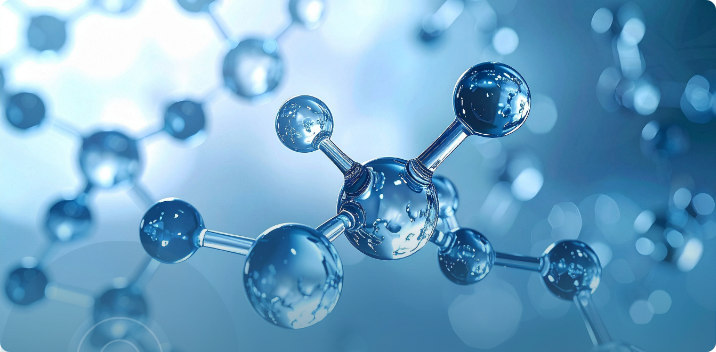
Molecular hydrogen is studied as a selective antioxidant that may calm oxidative stress and quiet pro-inflammatory signaling, supporting recovery, sleep depth, and exercise tolerance. Evidence is early and varies by person, so AgeRejuvenation treats it as one clinic-supervised tool within a measured plan, setting a baseline and tracking outcomes across Tampa Bay and Central Florida.
Inflammation does not always announce itself. Sometimes it shows up as joint stiffness that lingers, a recovery curve that feels slower than it used to, or sleep that looks fine on paper but does not restore you. In that context, molecular hydrogen benefits are often discussed as a way to support recovery and inflammation control without turning everything into a supplement stack.
At AgeRejuvenation, we approach these patterns as a functional medicine clinic. That means we look for the driver, measure what we can, and choose an intervention that fits your physiology and your schedule.
What Are the Molecular Hydrogen Benefits for Inflammation?
Molecular hydrogen is being studied as a selective antioxidant that may calm oxidative stress and quiet pro-inflammatory signaling, which can support recovery, sleep depth, and exercise tolerance. It is not a cure-all. The useful framing is whether it helps the specific systems that are struggling in your body, and whether you can track the change.
Researchers describe hydrogen as a small molecule that diffuses quickly into cells and tissues. A widely cited review notes that molecular hydrogen can act as a selective antioxidant and anti-inflammatory agent, reducing oxidative stress in conditions where inflammation runs high. That is why our clinic-supervised hydrogen therapy is positioned as one tool among many, not a standalone fix.
Why Inflammation Feels Different When You Are High-Functioning
Acute inflammation is what you notice after an injury or infection. It is loud, clear, and time-limited. Chronic, low-grade inflammation is different. It can stay quiet while still affecting day-to-day performance.
Professionals often describe it like this:
You wake up tired even after a full night in bed.
You feel sore after workouts that used to feel easy.
You get more headaches or muscle tightness under deadlines.
Your focus is present, but it takes more effort to hold.
Stress changes signaling. When the sympathetic nervous system stays active, the body stays on alert. That can shift sleep depth, digestion, and recovery timing. The result is a pattern that looks like random symptoms, when it is often a predictable biological response to sustained demand. When that pattern hardens into ongoing fatigue and slow recovery, it is worth investigating the underlying drivers rather than guessing.
How Does Molecular Hydrogen Interact With Oxidative Stress?
Hydrogen appears to neutralize the most damaging reactive molecules while leaving useful signaling molecules alone, which is why it is described as a selective antioxidant rather than a blunt one. That selectivity matters because some oxidation is normal and even necessary.
Oxidative stress is a normal part of metabolism. Your cells produce reactive molecules as they generate energy. In the right balance, that is not a problem. The issue is overload, when production outpaces your ability to neutralize it. Research on molecular hydrogen suggests it controls signal transduction and suppresses pro-inflammatory cytokines, which is the mechanism most often tied to reduced inflammatory load.
In a clinic setting, we connect these concepts to outcomes that matter in real life, like recovery tolerance, sleep quality, and inflammatory patterns that show up in labs or symptom tracking.
Can Hydrogen Therapy Actually Reduce Inflammation?
Early human research is cautiously positive. Small trials suggest hydrogen support may lower certain inflammatory markers and raise antioxidant capacity, but the evidence is still developing and results vary by person. A study in healthy adults found that hydrogen-rich water increased antioxidant capacity and reduced inflammatory responses, while major cancer centers note that hydrogen may act as an antioxidant and be anti-inflammatory without overstating the certainty.
That honesty is the point. Inflammation and stress physiology are closely linked. When your nervous system is locked into a high-alert state, several downstream effects become more likely: shallow sleep, higher muscle tone, and slower tissue recovery. This is one reason symptoms can cycle.
A common pattern looks like this: a demanding week reduces sleep depth, reduced sleep raises physiological reactivity, and higher reactivity makes the next week feel harder than it should. This is not a character flaw. It is a biological pattern that can be measured and changed when the plan targets the right system.
Hydrogen Therapy as Antioxidant Support in Real Life
At AgeRejuvenation, we look at whether hydrogen support fits your symptom pattern, health history, and measurable goals. The goal is to support recovery capacity when oxidative stress and stress physiology are clearly affecting how you feel. This is one reason hydrogen sits within our broader wellness center and longevity services, where it can be paired with the right testing and follow-up.
We start by mapping what has changed over time, including recovery, sleep depth, stress exposure, and the demands of work, training, and travel. We also review current medications and supplements to avoid conflicts and set realistic expectations. When additional clarity is needed, targeted lab work can help confirm priorities and track response.
Here are situations where the discussion is often reasonable:
You train consistently, but recovery is drifting.
You notice recurring muscle tightness and poor sleep depth.
You feel more inflamed after travel, heavy workweeks, or high-stress periods.
You have lab trends that suggest increased inflammatory load.
If you are weighing antioxidant options, the key question is simple. Are you trying to lower oxidative load, or are you dealing with sleep disruption, nervous system overactivation, or another untreated driver that keeps inflammation active? Our job is to separate those variables, then choose the intervention that is most likely to move the needle. A consultation for supervised hydrogen support starts with that sorting step, not a product.
A Clinician-Led Process That Stays Measurable
A solid plan starts by defining the target. Are you aiming for less pain, better recovery, calmer sleep, or improved stamina under stress? Those goals can overlap, but they should not be treated as the same problem.
A clinician-guided process typically includes:
A symptom timeline and lifestyle review, including sleep, training load, and stress exposure.
A review of relevant history and current medications or supplements.
Lab testing when it adds clarity, such as inflammation markers, metabolic signals, and hormone-related data when appropriate.
A plan that includes the right therapy at the right dose and cadence, with follow-up that tracks changes you can actually observe.
This is where molecular hydrogen benefits become more than a claim. If the therapy is a fit, you should be able to connect it to measurable outcomes: fewer flare-ups, improved recovery, steadier sleep, and better tolerance to demanding weeks. Consumer health reviews note that hydrogen water is said to increase energy and reduce inflammation, but a clinic-led plan replaces marketing language with checkpoints you can verify.
Why AgeRejuvenation Fits Tampa Bay and Central Florida Schedules
High performers often need a plan they can actually follow through on. Consistency is a clinical variable. If visits are difficult to access, follow-up becomes sporadic and outcomes get harder to sustain.
We work with patients across Tampa Bay and Central Florida, including those commuting between neighborhoods and business hubs. For patients coming from Hyde Park or SoHo, our Tampa location is accessible off S Howard Ave.
If you are driving in from Brandon, many patients take a straightforward route toward Nikki View Drive. For Wesley Chapel, access along Bruce B. Downs Blvd is practical for people balancing work, family, and training. In the SoDo district, S Orange Ave makes visits more manageable for those coming from nearby residential areas and Winter Park. For Winter Garden and the Hamlin area, the Hamlin Groves corridor is a familiar route for many locals.
Our locations include:
1155 Nikki View Drive, Brandon, FL 33511
220 N Howard Ave, Tampa, FL 33606
1940 Bruce B. Downs Blvd, Wesley Chapel, FL 33544
5730 Hamlin Groves Tr #176, Winter Garden, FL 34787
1523 S Orange Ave, Orlando, FL 32806

Frequently Asked Questions
How long does it take for molecular hydrogen to work?
Timelines vary by person and goal. Some people notice changes in energy or recovery within a few weeks, while shifts in inflammatory markers take longer. Because individual response differs, the most reliable approach is to set a baseline, choose a cadence, and recheck symptoms and labs over time rather than judging it by feel alone.
Can hydrogen water reduce inflammation?
Early research suggests it may. Small human studies report lower inflammatory responses and higher antioxidant capacity with hydrogen-rich water, and reviews describe anti-inflammatory effects through reduced oxidative stress. The evidence is still developing, so it is best treated as supportive care within a measured plan, not a guaranteed treatment for any specific condition.
What is the best way to consume molecular hydrogen?
Common formats include hydrogen-rich water and inhalation methods. The right choice depends on your goals, tolerance, and how it fits your routine, since consistency matters more than the format itself. In a clinic setting, we discuss options against your health history and current medications before recommending an approach.
Why do I feel different after starting hydrogen support?
Most people tolerate hydrogen well, and noticeable effects are usually mild. If you feel unusually tired, lightheaded, or otherwise off, it often points to another driver such as poor sleep, dehydration, or an unrelated medication interaction. That is exactly why we map current medications and lifestyle factors before and during therapy.
Is hydrogen therapy a substitute for treating the real cause of inflammation?
No. Hydrogen support is one tool, not a replacement for addressing root drivers like sleep disruption, nervous system overactivation, hormone imbalance, or metabolic stress. The goal is to identify what is keeping inflammation active, treat that, and use hydrogen where it adds measurable value alongside the core plan.
Conclusion
Inflammation is often the result of multiple inputs, not one cause. If you are exploring molecular hydrogen benefits, the most useful approach is to treat it as a clinical decision: define the goal, confirm that it fits your physiology, and track the outcome with clear checkpoints. When the plan is measured and adjusted over time, it becomes easier to trust what is working and stop guessing.
If you want a clinician-guided next step that stays practical for Tampa Bay and Central Florida schedules, you can schedule an appointment and start with a clear evaluation that turns symptoms into measurable decisions.
Ready to take the next step?
Talk with the AgeRejuvenation team about a Hydrogen Therapy plan built around your labs and goals.