Pelvic floor disorders and sexual pain rarely come from one cause. They blend muscle coordination, nerve signaling, tissue health, and hormones. A functional medicine plan retrains the pelvic floor, supports tissue and circulation, and reviews hormones so symptoms ease. AgeRejuvenation maps the real drivers across Tampa Bay and Orlando, then matches each therapy to the mechanism behind your discomfort.
If you have been searching for chronic pelvic pain relief, you already know this is not the kind of problem you can overcome with willpower. Pelvic discomfort and sexual pain can affect focus, sleep, exercise, and relationships, even when everything else in life looks high-functioning on paper. For many adults, the most frustrating part is uncertainty: symptoms come and go, tests look normal, and the advice feels generic.
At AgeRejuvenation, we take a functional medicine approach that treats pelvic pain as a real, measurable physiological issue. That means looking at the musculoskeletal system, the nervous system, tissue health, hormones, inflammation, and day-to-day stress signals as one connected picture.
What Causes Pelvic Pain and Sexual Pain to Persist?
Pelvic and sexual pain usually has more than one driver, which is why a single fix rarely holds. A tight or poorly coordinated pelvic support system can irritate nerves, reduce blood flow, and change how the brain interprets sensation. Painful sex, known clinically as dyspareunia, often traces back to muscle, tissue, or hormonal factors working together.
Painful intercourse is common and very treatable, and Cleveland Clinic notes that pinpointing the underlying cause is the key to lasting relief rather than masking symptoms, as outlined in its overview of dyspareunia and why intercourse becomes painful. Common contributors we see include:
Overactive deep core muscles that stay "on" even at rest.
Past injuries, childbirth, surgery, or repetitive strain from training.
Irritation in nearby structures such as the low back, hips, or abdominal wall.
Bladder and bowel habits that increase pressure and muscle guarding.
Hormonal shifts that affect lubrication, tissue resilience, and sensitivity.
A stress response that keeps the body in a defensive, high-alert state.
The goal is to identify your pattern and then reduce the triggers that keep the system reactive. If symptoms point to tissue and hormone changes, an evaluation for restorative vaginal tissue treatment in Tampa Bay can clarify whether tissue health is part of your picture.
The Science Behind Modern Pelvic Care
The effectiveness of newer therapies is best achieved when the underlying cause is clearly understood. Pelvic pain is often mechanical plus neurological, not simply one or the other.
The Pelvic Floor as a Pressure System
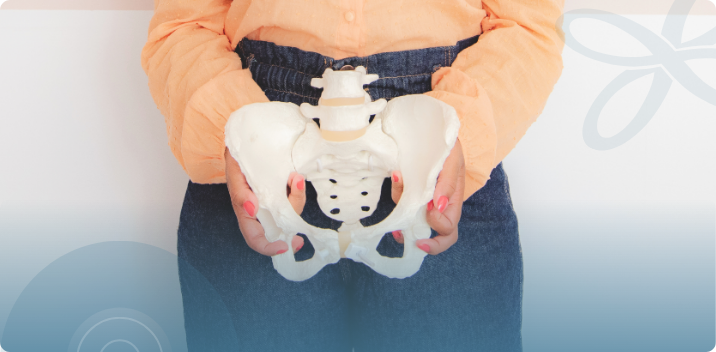
Your pelvic region is a support and pressure-management zone. The muscle layers coordinate with breathing, posture, and core stability. When coordination slips, the area may compensate with guarding, clenching, or uneven loading. That can create tender points, reduce mobility, and make intimacy painful. Cleveland Clinic describes how pelvic floor dysfunction develops when these muscles cannot relax and coordinate properly, affecting bladder, bowel, and sexual comfort.
How Does the Nervous System Keep Pain Going?
Persistent pelvic pain often involves the sympathetic nervous system, the body's fight-or-flight stress response. When this system stays dominant, muscles tend to tighten, pain thresholds drop, and recovery slows, creating a loop where discomfort leads to guarding, and guarding leads to more discomfort.
Pelvic floor physical therapy is a recognized, noninvasive way to interrupt that loop. A review published through the National Institutes of Health found that manual pelvic floor therapy can reduce dyspareunia and the muscle dysfunction behind it, which is why retraining the pelvic floor is a core part of modern care.
Tissue Health, Blood Flow, and Hormones
Sexual pain can also relate to tissue dryness, micro-irritation, or reduced elasticity, especially during perimenopause and menopause. In men, pelvic discomfort may overlap with urinary changes, erectile concerns, or chronic tension patterns.
These tissue changes are common and well documented. The American College of Obstetricians and Gynecologists explains that lower estrogen can thin and dry vaginal tissue and make sex painful, which is why supporting local circulation, tissue repair signaling, and hormone balance can matter when done with the right clinical context and monitoring.
Building a Non-Invasive Pelvic Floor Plan
A non-invasive pelvic floor strategy focuses on downshifting the pain system without escalating intensity too fast. For busy professionals, that usually means an approach that is measurable, time-efficient, and tailored.
Depending on your evaluation, your plan may include:
Guided breathing and mobility work that changes resting tone and pressure patterns.
Targeted rehab strategies used in pelvic-focused physical therapy.
Support for sleep and recovery because poor sleep raises pain sensitivity.
Lab testing when symptoms suggest hormone or thyroid involvement.
Treatments that support tissue quality and local circulation when appropriate.
For some patients, therapies used in regenerative and sexual wellness care may be considered as part of a broader plan. Care for painful intercourse in women often layers tissue support, muscle retraining, and hormone review together. For women with specific findings, a tissue-renewal vaginal rejuvenation option may be discussed as a way to address tissue changes that contribute to discomfort. The key is matching the tool to the mechanism, not chasing the newest option without a clear rationale.
Why AgeRejuvenation Is a Fit for Florida Professionals
High-performing people tend to delay care because the problem is private, unpredictable, and hard to describe. Our job is to make the process straightforward, evidence-based, and respectful of your time.
AgeRejuvenation serves patients across the Tampa Bay area and greater Orlando, with five clinic locations:
1155 Nikki View Drive, Brandon, FL 33511
220 N Howard Ave, Tampa, FL 33606
1940 Bruce B Downs Blvd., Wesley Chapel, FL 33544
5730 Hamlin Groves Tr #176, Winter Garden, FL 34787
1523 S Orange Ave, Orlando, FL 32806
If you are commuting from Hyde Park, getting to our Tampa clinic via S Howard Ave is often a simple drive. For patients coming from Brandon or Riverview, our Nikki View Drive location is convenient off major routes near I-75.
Wesley Chapel patients often reach us easily from Wiregrass Ranch and the surrounding Bruce B. Downs corridor. In Horizon West and Hamlin, our Winter Garden office is close to the day-to-day flow of family life and work travel. For Winter Park residents, our Orlando clinic in the SoDo district sits along the S Orange Ave medical corridor just south of downtown, with access from nearby neighborhoods that connect toward I-4.
AgeRejuvenation is a functional medicine clinic, so your care is coordinated in one place, with advanced testing, medical oversight, and modern therapies aligned to the root drivers behind your symptoms. Our full range of women's sexual wellness and pelvic health services lets us match a plan to your specific findings instead of a one-size script.
What to Expect During a Visit
A clear process reduces stress, and in pelvic pain care that is clinically relevant because stress alters muscle tone and pain sensitivity.
A typical visit includes:
A focused history that covers symptoms, triggers, training patterns, stress load, sleep, and prior treatments.
A targeted physical and clinical assessment, with referrals when a specialist exam or imaging is needed.
Data-driven testing when patterns point to hormone shifts, inflammation, or metabolic factors.
A staged plan that starts with stabilization and then builds toward performance and comfort.
If your plan includes a non-invasive pelvic floor approach, we will set realistic milestones and track response over weeks. Research shared through the National Library of Medicine describes pelvic floor physical therapy as an integral part of the multidisciplinary approach to chronic pelvic pain and sexual dysfunction, so we coordinate it alongside your other care. If additional therapies are appropriate, we explain the mechanism, the expected range of outcomes, and what success looks like for your case. No vague promises, just measurable next steps.

Conclusion
Lasting chronic pelvic pain relief usually comes from treating the pain system, not just the pain site. When you address muscle coordination, nerve signaling, tissue health, and recovery capacity together, the body often becomes less reactive and more resilient.
If you want a plan that respects your schedule and relies on evidence, AgeRejuvenation can help you map the drivers behind your symptoms and choose therapies that fit your physiology, including a focused look at whether tissue health needs direct support.
Frequently Asked Questions
Is pelvic floor dysfunction curable?
For many people, pelvic floor dysfunction improves significantly with the right plan. Because it usually involves muscle coordination, nerve signaling, and sometimes hormones, lasting results come from treating those drivers together rather than chasing one symptom. Many patients regain comfort and function over a series of guided sessions and home strategies.
Can pelvic floor problems cause painful sex?
Yes. Overactive or poorly coordinated pelvic floor muscles can create tender points, reduce blood flow, and make penetration painful. This is one of the most common physical causes of dyspareunia, and Cleveland Clinic identifies tight pelvic floor muscles as a frequent contributor that responds well to targeted therapy.
How is pelvic floor dysfunction diagnosed?
Diagnosis starts with a focused history and a physical assessment of how your pelvic muscles contract and relax. Your provider may add lab testing when hormone, thyroid, or inflammatory factors seem involved, and may refer you for a specialist exam or imaging if needed to rule out other conditions.
Does menopause make pelvic pain and dryness worse?
It can. Lower estrogen during perimenopause and menopause thins and dries vaginal tissue, which reduces elasticity and can make intercourse painful. Addressing tissue health and, where appropriate, hormone balance often eases these symptoms when combined with pelvic floor retraining.
What treatments help with non-invasive pelvic floor care?
A non-invasive plan often combines guided breathing and mobility work, pelvic floor physical therapy, sleep and recovery support, and lab-guided hormone review. When tissue quality is a factor, treatments that support local circulation and tissue repair may be added so each tool matches the mechanism behind your symptoms.
Ready to take the next step?
Talk with the AgeRejuvenation team about a Vaginal Rejuvenation plan built around your labs and goals.