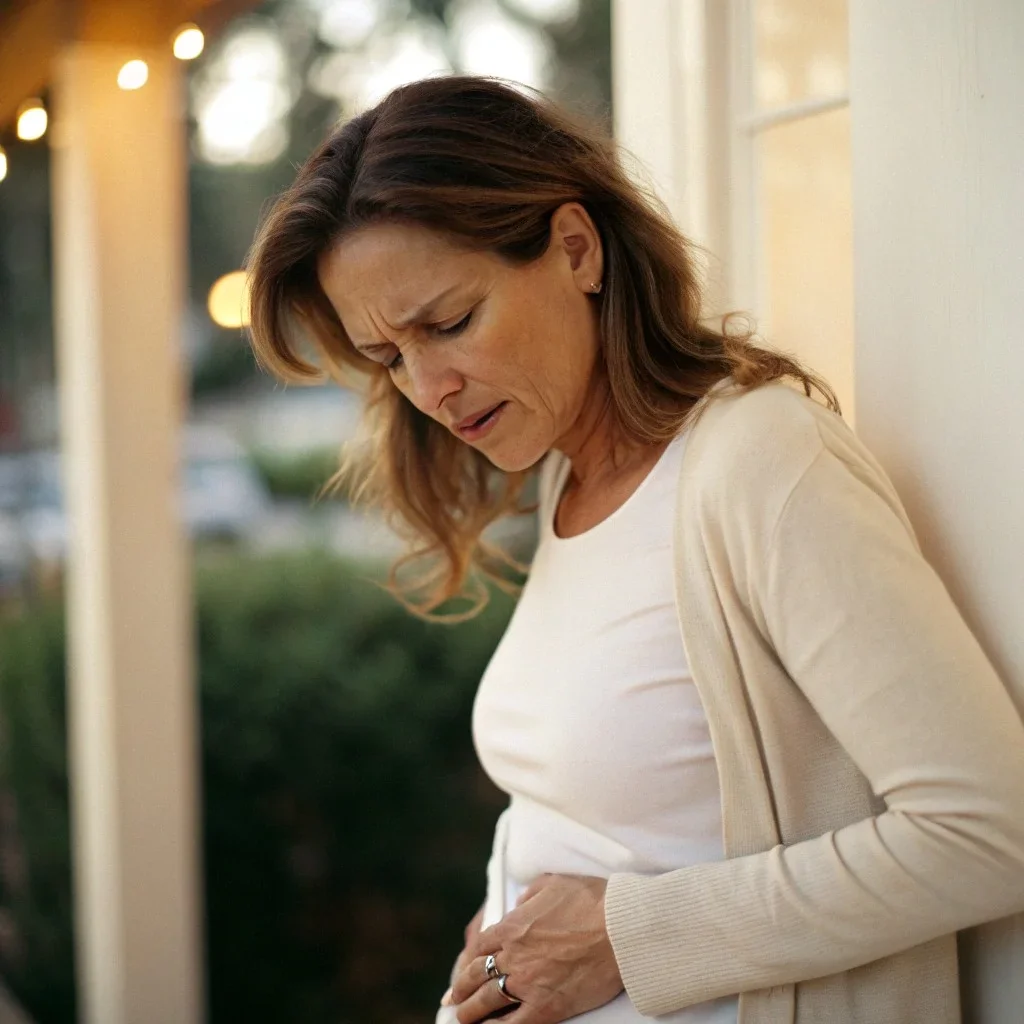
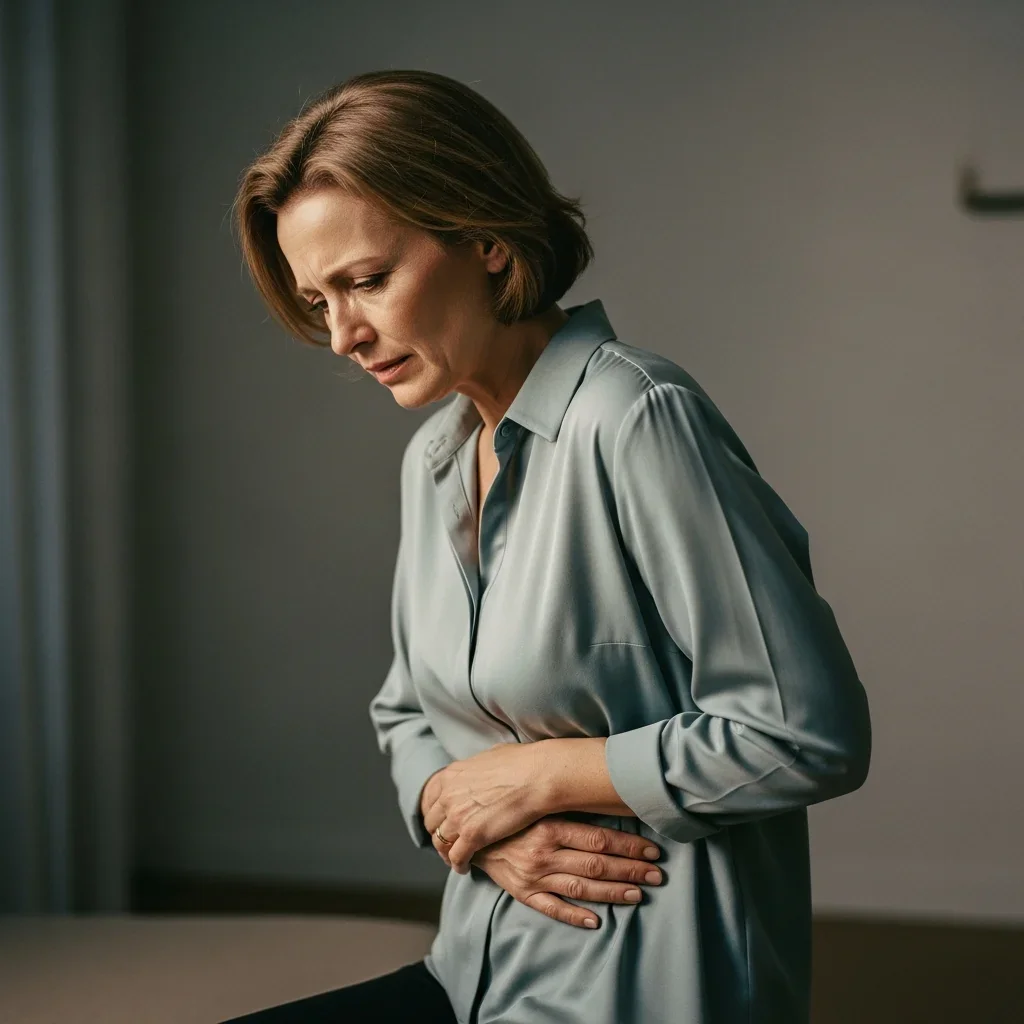
Painful intercourse, clinically called dyspareunia, is genital pain that occurs before, during, or after sex. It is a treatable medical condition, not something to live with. The most common driver is estrogen decline that thins and dries vaginal tissue, though pelvic floor tension, infection, and nerve sensitivity also contribute. Accurate evaluation pinpoints the cause so treatment targets the real source.
Understanding Painful Intercourse Treatment for Women
Answer: Painful intercourse, clinically called dyspareunia, is recurrent genital pain before, during, or after sex. It is a treatable medical condition, most often caused by estrogen decline that thins and dries vaginal tissue, though pelvic floor tension, infection, and nerve changes also contribute.
Dyspareunia is frequently dismissed or under-discussed, which leaves many women managing discomfort silently for years. The causes are usually physical and measurable. When estrogen falls during perimenopause, menopause, or after childbirth, vaginal tissue becomes thinner, drier, and less elastic, a pattern known as vaginal atrophy. The American College of Obstetricians and Gynecologists notes that pain during sex is extremely common across a woman's lifetime, and that its causes are identifiable and treatable. Because more than one factor is often involved, an accurate evaluation that looks at hormones and tissue together is what lets treatment target the real source rather than mask symptoms.
What causes painful intercourse in women?
Answer: The most common cause is vaginal atrophy from low estrogen, which thins and dries the tissue. Insufficient lubrication, pelvic floor dysfunction, infections, dermatologic conditions, and changes in nerve sensitivity are other frequent contributors.
Estrogen decline during perimenopause, menopause, postpartum recovery, or after stopping hormonal contraception is the leading driver, because estrogen maintains the elasticity, moisture, and blood flow vaginal tissue needs. On top of that, overly tight or spasming pelvic floor muscles can cause pain at the opening or deeper in the pelvis, and muscle guarding after prior painful experiences can reinforce the cycle. Infections, scar tissue from childbirth or surgery, and reduced collagen each add their own contribution. Cleveland Clinic describes how hormonal and physical factors combine to make intimacy uncomfortable, which is why identifying every active factor matters.
How is the cause of painful intercourse diagnosed?
Answer: Diagnosis combines your history, a gentle pelvic exam, and targeted testing. Where the pain occurs and when it started helps narrow the cause, while exam findings, hormone levels, and infection swabs confirm what is driving it.
Pain at the vaginal opening points toward atrophy, dryness, or pelvic floor tension, while deeper pain may suggest pelvic or structural causes. A careful exam checks tissue thickness, moisture, and muscle tone, and hormone testing helps confirm estrogen-related atrophy. Because dyspareunia frequently has more than one cause, mapping the full pattern prevents treating only the most obvious factor.
What are the treatment options for painful intercourse?
Answer: Treatment depends on the cause. Options range from restoring estrogen with hormone therapy to regenerative injections and tissue-restoring procedures that rebuild lubrication, elasticity, and comfort.
When low estrogen is the driver, hormone replacement therapy restores the hormone that maintains vaginal tissue health, and broader hormonal decline can be addressed through menopause treatment. When tissue quality itself needs rebuilding, regenerative and procedural options like the Intimate Wellness PRP and vaginal rejuvenation help restore collagen, moisture, and sensitivity. Many women do best with a combination matched to their evaluation.
| Treatment | How it works | Often best for |
|---|---|---|
| Hormone replacement therapy | Restores estrogen that maintains tissue elasticity and lubrication | Atrophy and dryness from low estrogen |
| Intimate Wellness PRP | Uses platelet-rich plasma to stimulate collagen and tissue repair | Reduced tissue quality, lubrication, and sensitivity |
| Vaginal rejuvenation | Restores tissue thickness, tone, and moisture | Tissue laxity and dryness contributing to pain |
| Menopause treatment | Combines hormone optimization with targeted therapies | Broader hormonal decline behind post-menopausal pain |
Can hormone therapy reverse painful intercourse?
Answer: For women whose pain is driven by estrogen deficiency and vaginal atrophy, hormone therapy often reverses much of the discomfort by restoring tissue elasticity, lubrication, and sensitivity.
Estrogen is the most direct treatment for atrophy-related pain, and many women notice meaningful improvement within weeks as tissue health rebuilds. Outcomes are stronger when therapy is dosed from lab values and monitored over time. When tissue changes have been present for a long stretch, hormone therapy is often combined with regenerative treatments for a fuller result.
How does painful intercourse connect to hormones and menopause?
Answer: The link is estrogen. As estrogen falls through perimenopause and menopause, vaginal tissue thins, dries, and loses elasticity, making dyspareunia one of the most common menopausal complaints.
This pattern, part of what clinicians call genitourinary syndrome of menopause, also brings dryness, irritation, and urinary symptoms. The North American Menopause Society notes that these tissue changes respond well to treatment rather than improving on their own. Because the driver is hormonal, addressing the underlying decline often relieves several symptoms at once.
When should you see a provider about painful intercourse?
Answer: See a provider if pain is recurrent, worsening, or causing you to avoid intimacy, or if it comes with bleeding, unusual discharge, or burning. Persistent dyspareunia has identifiable causes that are easier to treat early.
You do not need to wait until pain is severe or constant. Recurrent discomfort signals a physical change worth evaluating, and early assessment usually makes treatment simpler. Care at AgeRejuvenation is led by Chief Medical Director Dr. Dawn Ericsson, MD, a board-certified OB/GYN, with hormonal balance and vaginal tissue health assessed together so treatment targets the real source. Book an appointment to begin a confidential evaluation.
Common symptoms
Symptoms evaluated at AgeRejuvenation include:
How we treat painful intercourse treatment for women
Care plans are personalized to the root cause. Treatments include:
- Hormone replacement therapy: Hormone replacement therapy restores estrogen and other hormones that maintain vaginal tissue elasticity, lubrication, and sensitivity, addressing the atrophy and dryness that most often drive painful intercourse.
- Intimate Wellness PRP: Intimate Wellness PRP uses platelet-rich plasma from your own blood to stimulate collagen production and tissue repair in vaginal and clitoral tissue, improving lubrication and the tissue quality needed for comfortable intimacy.
- Vaginal rejuvenation: Vaginal rejuvenation treatments help restore tissue thickness, tone, and moisture, supporting comfort and sensitivity when tissue changes contribute to dyspareunia.
- Menopause treatment: Menopause treatment addresses the broader hormonal decline behind post-menopausal pain, combining hormone optimization with targeted therapies to relieve dryness and discomfort during intimacy.