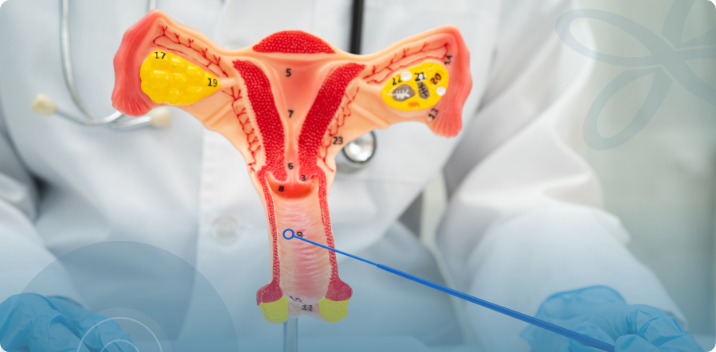
Female sexual dysfunction is not one problem with one fix. Desire, arousal, orgasm, and pain concerns can stem from blood flow, hormones, tissue health, pelvic floor tension, or the stress response. AgeRejuvenation identifies the driver, confirms it with labs and history, then matches treatment to mechanism for women across Tampa Bay and Central Florida.
Typically, the search for solutions to female intimacy issues begins after a change occurs that fails to resolve on its own. Desire feels lower, arousal takes longer, lubrication is inconsistent, or sex has started to hurt. For many women, the most frustrating part is how easy it is to get brushed off, even when the impact on confidence and relationships is real.
Female sexual dysfunction is not one problem with one fix. It is a label for patterns that can involve blood flow, nerve signaling, hormones, pelvic floor tension, tissue health, and the stress response. These persistent concerns are recognized medical issues that can cause real distress, not a character flaw or something you simply outgrow, as Mayo Clinic explains in its overview of female sexual dysfunction. AgeRejuvenation approaches this as a functional medicine clinic problem: identify the driver, confirm what is happening in the body, then match treatment to mechanism.
What Is Female Sexual Dysfunction, and Is It Common?
Female sexual dysfunction describes ongoing problems with desire, arousal, orgasm, or pain that bother you or strain a relationship. It is common across every age group, and the right care begins by sorting which part of the cycle is affected. From there, treatment can target the actual driver instead of guessing.
It is common to assume the issue is purely psychological, especially for high-functioning women who handle pressure well in every other area. In reality, sexual response is a full-body event. If one part of the system is under strain, intimacy is often where it shows up first. That is why a thorough evaluation for persistent female sexual dysfunction symptoms looks at the body as a whole rather than treating a single complaint in isolation.
Common Patterns Women Notice
Women describe symptoms in different ways, but they often cluster into a few categories, including:
Vaginal dryness, irritation, or burning.
Lower libido or reduced interest in sex.
Less sensation or difficulty reaching orgasm.
Painful intercourse.
Changes after childbirth or around menopause.
Urinary leakage that affects confidence and comfort.
A key point is that these patterns can overlap. For example, dryness can lead to pain, pain can trigger guarding in the pelvic floor, and guarding can reduce arousal, creating a cycle that feels hard to break.
Why It Gets Dismissed for Years
Many women delay care because they do not want to make it a bigger issue, or they assume it is normal aging. Others tried basic steps and did not get lasting relief. That is where choosing the right sexual health clinic matters. You want a team that can talk about the topic directly but also evaluate the physiology behind it without making you feel awkward or rushed.
What Causes Female Sexual Dysfunction?
Female sexual response depends on coordination across several systems. The main drivers are blood flow to genital tissue, clear nerve signaling, balanced hormones, healthy tissue, and a calm nervous system. When any one of these is off, arousal, comfort, or orgasm can suffer, which is why care that addresses several systems often works better than chasing one fix. Reviews of the condition consistently describe it as patient-specific and best handled by a coordinated team, a point reinforced in an evidence-based clinical guide published through the National Library of Medicine.
Blood Flow and Nerve Signaling Drive Arousal
Arousal is partly vascular. If blood flow to genital tissues is limited, the physical side of arousal can feel muted. It can show up as reduced swelling, less lubrication, or decreased sensitivity. Nerves also play a major role. When signaling is dampened or disrupted, sensation can feel blunted even when interest is present.
Hormones, Tissue Health, and Pain Signals
Hormones influence libido, lubrication, and tissue integrity. Shifts around perimenopause and menopause reduce estrogen support, which can contribute to dryness and irritation. According to the National Institute on Aging, estrogen levels fall as the ovaries wind down through menopause, and that change often shows up as thinner, drier vaginal tissue. The American College of Obstetricians and Gynecologists notes that lower estrogen is a frequent reason vaginal dryness develops. Testosterone, in appropriate female ranges, can also influence desire and arousal for some patients.
At AgeRejuvenation, we often see hormone imbalance as a key driver of female intimacy symptoms, especially around perimenopause and menopause. When labs and history point that way, hormone-based care may be part of the plan.
Tissue health matters too. Childbirth, aging, and inflammation can change elasticity and comfort. When tissue is fragile or dry, pain signaling can rise quickly. That discomfort is not just unpleasant. It can train the body to brace.
Can Stress and the Nervous System Block Sexual Response?
Yes. The sympathetic nervous system is built for speed and protection. That response is useful in true emergencies, but it does not pair well with relaxed arousal. When the body stays in threat mode, muscle tone often rises, breathing can become shallow, and the pelvic floor may tighten without you noticing.
Over time, the nervous system can start treating intimacy as a risk signal. The body braces early, even before discomfort actually appears, and that anticipation alone can blunt arousal. When the body stays in high alert, it protects first, and intimacy becomes harder to access.
How Is Female Sexual Dysfunction Treated?
Treatment is most useful when it is matched to a target. Care may aim to improve tissue comfort and lubrication, support arousal and sensation, reduce pain and guarding, or stabilize hormones. For many women, the best outcomes come from combining strategies rather than chasing a single intervention, and a structured evaluation through a women's health clinic that treats sexual concerns helps decide where to start.
Regenerative Options for Tissue and Sensation
For women dealing with dryness, looseness after childbirth, urinary leakage, or reduced sensitivity, regenerative approaches may be part of the plan.
We offer vaginal rejuvenation as a non-invasive option for concerns like vaginal dryness and urinary leakage, with the goal of improving comfort and sexual function. We also provide a platelet-rich plasma treatment designed to support female arousal and sensation, a non-surgical approach that uses PRP with the intent to support arousal, sensation, and confidence, especially when urinary symptoms are part of the picture.
For patients who need deeper tissue support, we may consider PRP-based regenerative protocols aimed at concerns such as vaginal laxity and reduced orgasmic response, always matched to candidacy and measurable goals.
Hormone and Peptide Support for System-Level Drivers
If symptoms line up with cycle changes, perimenopause or menopause shifts, chronic fatigue, or mood changes, we consider a system-level driver. In those cases, we may discuss hormone replacement therapy as part of a medically supervised plan. The American Academy of Family Physicians notes that estrogen is effective for painful intercourse tied to genitourinary changes of menopause, which is why hormone support is a common piece of care when labs and history fit.
Depending on your history and labs, that can include estrogen support and, when appropriate, carefully monitored testosterone in female-appropriate ranges. For some patients, bioidentical options may be part of the conversation. Cleveland Clinic notes that several medications can help raise sexual desire in women, so a prescription path is sometimes worth reviewing alongside other options.
When the clinical picture supports it, we may consider peptide therapy as one piece of a broader strategy. These protocols are not designed for instant results. They are typically used to support underlying physiology over time, which is why progress is tracked with specific, measurable goals.
Why AgeRejuvenation Fits Tampa Bay and Central Florida Professionals
For many women, the barrier is logistics and trust. You want a plan grounded in data, delivered in a judgment-free setting, with therapies that match your real life.
We serve patients across Tampa Bay and Central Florida, which makes follow-through easier when you are balancing work, family, and commuting. If access and consistency are part of how you choose a sexual health clinic, our regional footprint helps you stay on plan instead of starting and stopping. Pairing a convenient location with advanced female arousal and intimacy care makes it realistic to keep appointments and track progress over time.
Our locations include:
1155 Nikki View Drive, Brandon, FL 33511
220 N Howard Ave, Tampa, FL 33606
1940 Bruce B. Downs Blvd, Wesley Chapel, FL 33544
5730 Hamlin Groves Tr #176, Winter Garden, FL 34787
1523 S Orange Ave, Orlando, FL 32806
The regional layout also fits how people actually move. South Tampa patients commuting from Hyde Park often prefer a route that runs through S Howard Ave. Brandon patients commonly come in from the I-75 corridor. Wesley Chapel commuters know Bruce B. Downs Blvd. as a main artery. Winter Garden patients in the Hamlin area often use the SR-429 flow. Winter Park patients may come from neighborhoods near Park Avenue or the Maitland edge.

Frequently Asked Questions
What is the difference between low desire and trouble with arousal?
Low desire means interest in sex is reduced or hard to spark in the first place. Trouble with arousal means interest may be present, but the body is slow to respond with lubrication, swelling, or sensation. Sorting which one is driving your experience helps point care toward the right target.
Is female sexual dysfunction a normal part of aging?
Changes around menopause are common, but ongoing discomfort or distress is not something you simply have to accept. Lower estrogen can thin and dry vaginal tissue with age, yet many of those changes respond to treatment. An evaluation can separate expected shifts from issues worth addressing.
Can hormones really affect libido and comfort?
Yes. Estrogen supports lubrication and tissue integrity, and testosterone in female-appropriate ranges can influence desire for some patients. When symptoms line up with cycle changes or menopause, lab testing helps clarify whether a hormone-based plan is a reasonable next step.
Does stress cause sexual problems in women?
It can. When the nervous system stays in a protective, high-alert state, muscle tone and pelvic floor tension often rise while relaxed arousal becomes harder to reach. Over time the body may brace before intimacy even begins, which is why calming the stress response is part of comprehensive care.
How do I know which treatment is right for me?
The best plan starts with an evaluation that identifies the driver, whether it is tissue health, hormones, blood flow, or the stress response. From there, care is matched to mechanism, and many women do best with a combination of strategies rather than a single intervention.
Conclusion
Female sexual dysfunction is common, but it is not something you have to accept as your new baseline. When you choose care that respects blood flow, tissue health, hormones, and the stress response, progress becomes more predictable and less emotional. The right treatments for female intimacy issues are the ones that match your physiology and give you outcomes you can actually measure.
If you want a structured plan that is grounded in evidence and built for real schedules in Tampa Bay and Central Florida, you can schedule an appointment and start with a clear evaluation.
Ready to take the next step?
Talk with the AgeRejuvenation team about a Intimate Wellness PRP plan built around your labs and goals.