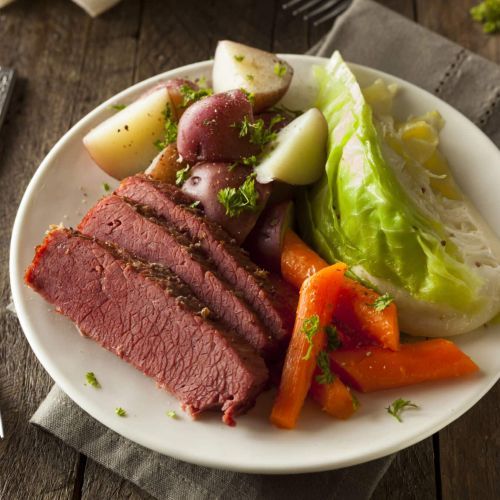
Eating a substantial midday lunch, roughly 400 to 600 calories on par with breakfast, keeps your metabolism steady and curbs intense evening cravings. Front-loading calories earlier in the day is linked to greater weight loss, while large late dinners are more easily stored as fat. Eat like a prince at noon for a slimmer waistline.
If you want a slimmer waistline, the size of your midday meal may matter more than you think. Eating a substantial lunch, with a calorie count similar to your breakfast, can keep your energy and metabolism steady through the afternoon. That, in turn, helps you burn more calories across the day and may quiet the intense evening cravings that derail so many weight-loss efforts.
Why does eating a bigger lunch help with weight loss?
A bigger lunch helps because it front-loads your fuel earlier in the day, when your body uses it most efficiently, and prevents the runaway hunger that leads to heavy nighttime eating. Research on meal timing supports this pattern. In a controlled trial, women who ate their largest meal at lunch rather than at dinner lost more weight than those who saved most calories for the evening, according to findings published in The American Journal of Clinical Nutrition04622-6/fulltext).
The idea is simple. Most people try to restrict food during the day, only to be overcome by intense hunger in the evening. As one registered dietitian and clinical professor has noted, that approach can backfire. Skimping all day tends to slow your metabolism and encourage your body to store fat rather than draw on its existing fat stores for energy.
What is a "Prince-sized" lunch?
A "Prince-sized" lunch is a real, satisfying midday meal, generally at least 400 calories and up to 600 calories, that holds its own next to breakfast. The old saying goes to eat breakfast like a king, lunch like a prince, and dinner like a pauper. The point is to shift more of your daily fuel toward the first two-thirds of the day.
To build one, aim for a balanced plate that combines protein, fiber-rich vegetables, smart carbohydrates, and a little healthy fat. Protein and fiber slow digestion and help you feel full longer, which is exactly what keeps the late-afternoon vending machine at bay. If you struggle to plan meals that actually fit your goals, structured guidance can help. A consistent, personalized food plan is one of the foundations of any physician-guided weight loss program, where nutrition is matched to your metabolism rather than a one-size-fits-all calorie target.
How does meal timing affect metabolism?
Meal timing affects metabolism because your body processes food differently depending on the hour. Calories eaten earlier in the day tend to be used for energy, while a large, late dinner is more likely to be stored. A timing review on the National Institutes of Health website concluded that people assigned to a small breakfast and a large dinner lost significantly less weight than those who ate more of their food earlier, as summarized in this NIH-hosted analysis.
Your metabolism is the set of processes that turn food into the energy your body needs to function. According to Cleveland Clinic, this system runs constantly, even at rest, and it is influenced by factors like muscle mass, activity, and overall eating patterns. Eating consistently throughout the day, rather than starving and then overeating, helps keep that engine running smoothly.
Does skipping lunch slow your metabolism?
Skipping lunch can backfire. When you go too long without fuel, your body adapts by conserving energy, and you are far more likely to overeat at the next meal. Going without a real midday meal often sets up a cycle of restriction followed by overcompensation at night, which works against fat loss.
This is also where blood sugar comes into play. Erratic eating and very large evening meals can strain how your body handles glucose over time. Steady, balanced meals support healthier blood sugar control, which matters for anyone working to reverse patterns linked to insulin resistance and stubborn weight gain. Eating like a prince at midday is a practical way to keep both hunger and blood sugar on a more even keel.
When is the best time to eat lunch for weight loss?
The best time to eat lunch for weight loss is generally early to mid-afternoon, often around noon to 2 p.m., with enough of a gap before dinner that you arrive hungry but not ravenous. Researchers have found that eating more calories earlier in the day is associated with greater weight loss and a smaller waist circumference, as reported by UT Southwestern Medical Center.
Consistency matters as much as the clock. Eating at roughly the same times each day helps your body anticipate fuel and use it efficiently, a point emphasized by Northwestern Medicine. A predictable rhythm of breakfast, a sizable lunch, and a lighter dinner gives your metabolism the steady input it works best with.
Building a routine that lasts
Knowing the science is the easy part. Turning it into a daily habit, especially when work, family, and stress get in the way, is where most people stumble. Smaller, more frequent snacking is not a magic fix either. One research analysis found that eating more frequent meals offered no clear advantage for body weight and could even worsen hunger and satiety, according to a study hosted on the National Institutes of Health library. The takeaway is to focus on a few solid, well-timed meals instead of grazing.
For lasting results, it helps to look at the whole picture: your eating schedule, your protein and fiber intake, your activity, and any underlying metabolic factors. That broader, supervised approach is what our weight loss services are built around, pairing nutrition strategy with medical oversight so the changes you make actually hold. When you keep your metabolism fueled with consistent, substantial, good-quality food earlier in the day, a slimmer waistline becomes a much more achievable goal.
Frequently Asked Questions
How many calories should my lunch have to support weight loss?
A supportive lunch generally falls between 400 and 600 calories, roughly matching a healthy breakfast. The exact number depends on your body size, activity level, and overall daily goal. The key is making lunch a genuine meal with protein, vegetables, and smart carbohydrates rather than a small snack you regret by mid-afternoon.
Is it better to eat a big lunch or a big dinner?
Most meal-timing research favors a bigger lunch over a big dinner. Studies suggest that eating more of your calories earlier in the day is linked to greater weight loss, while large, late dinners are more easily stored as fat. Shifting the bulk of your food to breakfast and lunch is the more weight-friendly pattern for most people.
Will eating a bigger lunch stop my evening cravings?
It often helps. A satisfying midday meal that includes protein and fiber keeps you fuller longer and prevents the runaway hunger that drives nighttime snacking. When you are not starving by evening, it is much easier to keep dinner lighter and to avoid impulsive, high-calorie choices late at night.
Does skipping meals help you lose weight faster?
Usually not. Skipping meals tends to slow your metabolism and trigger intense hunger that leads to overeating later. Your body adapts to long gaps by conserving energy and holding onto fat. Consistent, balanced meals spread earlier in the day are a more reliable path to fat loss than aggressive daytime restriction.
Can meal timing alone help me lose weight?
Meal timing is a powerful tool, but it works best alongside overall food quality, portion awareness, activity, and attention to any underlying metabolic issues. Timing your meals well can make weight loss easier and more sustainable, yet a comprehensive, individualized plan addresses the full set of factors that influence your results.
Ready to take the next step?
Talk with the AgeRejuvenation team about a Medical Weight Loss plan built around your labs and goals.