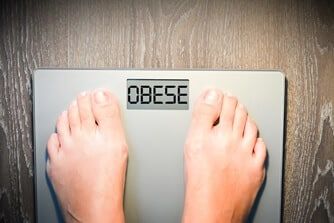
Resistance training drives lasting weight loss by building lean muscle that raises your resting metabolism, so you burn more calories around the clock. It shrinks waist circumference, protects muscle during dieting, and lowers diabetes and heart disease risk. Aim for at least two sessions weekly covering all major muscle groups, and track inches and photos rather than the scale alone for an honest measure of progress.
For years, cardio was treated as the only path to a smaller waistline. That thinking has shifted. Many exercise physiologists now place resistance training on equal footing with, or ahead of, traditional aerobic exercise when the goal is durable fat loss. The reason is simple: lifting changes your body composition in a way that keeps working long after you leave the gym.
What is resistance training, and how does it cause fat loss?
Resistance training applies overload to the musculoskeletal system to build muscular strength and endurance. It has been shown to decrease fat mass and help maintain a healthy body weight. You can use body weight alone, free weights, machines, resistance bands, or anything that forces your muscles to work harder than usual.
The mechanism behind the fat loss is metabolic. Resistance training increases lean muscle mass and raises your basal metabolic rate (BMR), the number of calories your body burns at rest each day just to keep its normal functions running, regardless of exercise. The more muscle you carry, the higher your BMR, and the more calories you burn around the clock. As long as you take in fewer calories than you expend, a higher BMR translates into more weight lost over time. The Mayo Clinic notes that strength work helps you manage weight, improve body composition, and burn more calories, which is exactly the engine that medically supervised programs try to harness. If your goal is sustained results rather than a quick scale drop, our approach to doctor-guided medical weight loss is built around protecting and building this metabolically active tissue.
Does resistance training help you lose belly fat?
Yes. Extensive research has shown that resistance training can decrease waist circumference and stomach fat. It also lowers the risk for cardiovascular disease and diabetes, which makes it valuable for far more than appearance. The American Heart Association recognizes resistance and strength training as a core part of a heart-healthy routine alongside aerobic activity.
Belly fat responds well to strength work because the larger muscle groups it recruits demand more energy and improve how your body handles blood sugar. Over weeks and months, that combination of higher calorie burn and better insulin sensitivity shrinks the waist. For anyone whose unwanted weight gain crept on slowly and has resisted diet changes alone, adding structured resistance work is often the missing piece.
Why is muscle better than cardio alone for keeping weight off?
The advantage is what muscle does at rest. Cardio burns calories mainly while you are moving, but muscle is metabolically active tissue that keeps demanding energy every hour of the day. Building it raises your resting metabolic rate, so you burn more even while you sleep.
Just as important, resistance training protects the muscle you already have while you are losing weight. A large systematic review published through the National Institutes of Health found that resistance training reduced lean mass loss during weight loss. That matters because when people diet without lifting, a meaningful share of the weight they shed is muscle, which lowers metabolism and makes regain more likely. Preserving muscle keeps your metabolic engine intact, so the fat you lose is more likely to stay gone. The National Academy of Sports Medicine describes resistance training as a preferred method for weight loss precisely because it shapes body composition more effectively than cardio on its own.
How often should you do resistance training to lose weight?
Aim for at least two sessions per week. The American College of Sports Medicine recommends resistance training at least twice per week, performing eight to ten different exercises that cover each major muscle group, with each exercise done for 10 to 15 repetitions. That is a realistic, evidence-based starting point for most healthy adults.
Within that framework, a few principles make the work more effective:
Compound movements first. Squats, lunges, push-ups, rows, and similar multi-joint exercises recruit large muscle groups and burn the most calories.
Progressive overload. Gradually increase weight, reps, or resistance so your muscles keep adapting instead of plateauing.
Recovery matters. Muscle repairs and grows on rest days, so spacing sessions is part of the plan, not a break from it.
These habits build the lean mass that powers ongoing fat loss. To learn how supervised exercise fits alongside nutrition, hormone balance, and other tools, explore our full range of weight loss services.
How fast will you see results from resistance training?
Most people notice strength gains within a few weeks, but visible body changes take longer and the scale can be misleading. Because muscle is denser than fat, you may be losing inches while the number on the scale barely moves. Tracking waist circumference, how clothes fit, and progress photos gives a far more honest picture than weight alone.
Newer research continues to reinforce the value of patience. A 2026 study indexed through the National Institutes of Health concluded that resistance training is the most effective strategy for preserving fat-free mass and improving body composition during weight loss. In practical terms, the people who keep showing up and slowly add load are the ones who reshape their bodies and hold onto the change.
How to start safely
If you are new to lifting, the biggest risks are doing too much too soon and using poor form. Starting with a single set of each major movement, choosing a weight that tires the muscle after 12 to 15 reps, and resting a full day between working the same muscle group keeps progress steady and injury low. Learning proper technique early prevents the strains and frustration that derail beginners.
This is where guidance pays off. The Nu Image Fitness program at ageRejuvenation pairs you with a Certified Strength and Conditioning Specialist who teaches correct technique and progression in a small-group personal training setting. The focus is on increasing physical activity, lean muscle mass, and mood while decreasing waist circumference, fat mass, and the risk factors for cardiovascular disease and diabetes.
Frequently Asked Questions
Can you lose weight by doing resistance training?
Yes. Resistance training reduces fat mass and helps maintain a healthy body weight by building lean muscle, which raises your resting metabolic rate so you burn more calories all day. Combined with a modest calorie deficit, it produces steady, sustainable fat loss while protecting the muscle that keeps your metabolism high.
Is resistance training or cardio better for weight loss?
Both help, but they do different jobs. Cardio burns calories during the session, while resistance training builds muscle that burns calories around the clock and prevents the muscle loss that often comes with dieting. For lasting results, strength work has a clear edge, and pairing it with some cardio gives the strongest overall outcome.
How many times a week should I lift weights to lose weight?
At least twice a week, following the American College of Sports Medicine guideline of eight to ten exercises covering all major muscle groups at 10 to 15 repetitions each. Three to four sessions can accelerate results, but consistency matters more than frequency, so choose a schedule you can maintain long term.
Will resistance training make me bulky?
For most people, no. Building large amounts of muscle requires years of dedicated training, high calorie intake, and, for many, specific genetics. Typical resistance training while in a calorie deficit produces a leaner, more toned look as you lose fat and preserve muscle, not a bulky physique.
Do I need a gym to do resistance training?
No. You can train effectively at home using only body weight through push-ups, squats, lunges, and planks, or add inexpensive resistance bands and dumbbells. A gym offers more equipment and supervision, but the principle of progressively overloading your muscles works with whatever resistance you have available.
Ready to take the next step?
Talk with the AgeRejuvenation team about a Medical Weight Loss plan built around your labs and goals.