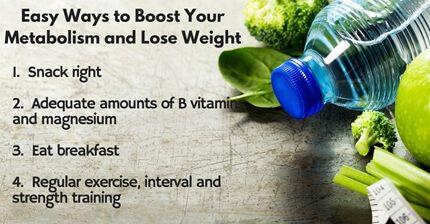
Interval training, especially HIIT, alternates hard bursts with recovery to burn fat faster than steady cardio of the same length. Research links it to higher fat oxidation, an afterburn effect, and reduced belly fat. Aim for two or three sessions weekly, pair it with strength work and balanced nutrition, and combine it with medical guidance for lasting weight loss.
Aerobic exercise and anaerobic exercise both promote weight loss while improving overall fitness and well-being, but people often debate which one works better. There is a third option that blends the two, and a growing body of research suggests it may burn fat faster than either approach alone. That option is interval training, and it has changed how many people think about cardio.
Does interval training really increase fat loss?
Yes. Interval training, especially high-intensity interval training (HIIT), alternates short bursts of hard effort with slower recovery periods, and it has been shown to reduce fat mass and improve cardiovascular fitness. One review of high-intensity intermittent exercise found that regular steady-state aerobic exercise has a fairly small effect on body fat, while interval-style work tends to drive a larger response, partly through a strong catecholamine (adrenaline) release that helps mobilize stored fat (research on high-intensity intermittent exercise and fat loss). For many adults, that makes intervals a time-efficient way to support a structured physician-guided medical weight loss program.
How does HIIT burn fat?
HIIT is a form of aerobic training in which you alternate short, very high-intensity intervals (anaerobic) with longer, slower recovery intervals (aerobic). During these efforts your body relies more on lipids (fat) and less on glycogen (carbohydrates) for fuel. The intensity also creates a metabolic "afterburn," known as excess post-exercise oxygen consumption, that keeps your metabolism slightly elevated for hours after you stop, according to clinicians at Cleveland Clinic on the benefits of HIIT. In short, you keep using energy while you recover.
A study published in the December 14, 2006 issue of the Journal of Applied Physiology reported increased fat oxidation (fat burning) during exercise among participants performing high-intensity interval training. Researchers found that after seven 60-minute HIIT workouts over a two-week period, participants' whole-body fat oxidation increased by 36 percent. More recent work continues to support the pattern, with a 2023 analysis concluding that higher-frequency interval training (three or more sessions a week) tends to produce meaningful fat loss (a 2023 review on interval training type and body fat).
Is interval training better than steady-state cardio?
For fat loss, intensity matters more than time on its feet. Simply walking for three or four hours a week does not do much to raise cardiovascular fitness or fat oxidation. Another study published in the October 2005 issue of the Journal of Applied Physiology found that the equivalent of 20 miles per week of jogging produced weight loss, particularly around the midsection, while 12 miles per week of walking had no effect on stored belly fat.
That does not mean walking is worthless. It means harder efforts ask more of your system, and the intensity of the exercise directly affects how much total energy you burn, whether from stored fat or carbohydrates. A moderate workout yields moderate energy use, while a demanding interval session pushes that number higher. Even so, Harvard Health notes that interval training also strengthens the heart and improves how efficiently your body uses oxygen, so the payoff is more than just the number on the scale (interval training for a stronger heart).
How do you structure interval training for fat loss?
Whether you are running, cycling, swimming, or lifting weights, you can fold intervals into almost any program. A simple starting outline is 2-minute bursts of hard effort followed by 1-minute recovery periods (a 2:1 ratio), repeated for 30 to 45 minutes, three or four days each week. Beginners can start with shorter bursts and longer recovery, then build up as fitness improves.
Keep these principles in mind:
Push the work intervals hard enough that holding a conversation feels difficult.
Use the recovery periods to truly recover, not to stop completely.
Allow rest days between hard sessions so your body can adapt.
Pair intervals with resistance training to protect lean muscle as you lose fat.
The U.S. Centers for Disease Control and Prevention recommends that adults get at least 150 minutes of moderate activity, or 75 minutes of vigorous activity, plus muscle-strengthening work each week, and interval training can help you reach the vigorous portion efficiently (CDC physical activity guidelines for adults).
Why exercise alone is rarely enough
Interval training is a powerful tool, but it is not magic. Exercise on its own usually will not produce large or lasting weight loss unless it is paired with balanced nutrition and a modest calorie deficit, a point echoed in Healthline's overview of HIIT benefits. Hormones, sleep, stress, and metabolic health also shape how your body stores and releases fat.
For some people, stubborn fat tied to unexplained or hard-to-lose weight gain reflects an underlying issue that workouts alone cannot fully address. That is where a clinical approach helps. A medically supervised plan can combine smart exercise with nutrition guidance, lab testing, and targeted support, and you can explore the full range of options across our weight loss services. Working with a provider helps you turn the science of interval training into a result you can actually keep.
Frequently Asked Questions
Is interval training good for fat loss?
Yes. Interval training alternates hard bursts with recovery, which raises fat oxidation during the session and keeps your metabolism slightly elevated afterward. Research suggests it can reduce fat mass, including abdominal fat, more efficiently than steady, moderate cardio of the same length.
How many times per week should I do HIIT?
Most guidance points to two or three HIIT sessions per week, with rest days in between. This gives your muscles time to recover and lowers the risk of overtraining, while still being frequent enough to support steady fat loss and improved cardiovascular fitness over time.
Does HIIT keep burning fat after the workout?
To a degree, yes. The high effort creates an oxygen debt, so your body keeps using extra energy for hours as it recovers. This afterburn is real but modest, so it should be viewed as a helpful bonus rather than the main driver of your overall fat loss results.
Can beginners do interval training safely?
Yes, with a sensible start. Beginners can use shorter work bursts and longer recovery, then gradually increase intensity as fitness improves. Anyone with a heart condition, injury, or other health concern should talk with a healthcare professional before starting any high-intensity program.
Is interval training enough to lose weight on its own?
Usually not by itself. Interval training burns calories and improves fitness, but lasting weight loss also depends on balanced nutrition, a modest calorie deficit, sleep, and hormone health. Combining intervals with a medically guided plan gives most people the most reliable, durable results.
Ready to take the next step?
Talk with the AgeRejuvenation team about a Medical Weight Loss plan built around your labs and goals.