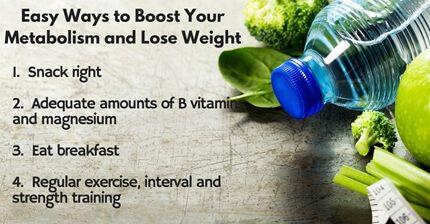
Eating small, frequent meals will not magically speed your metabolism, but it can support fat loss by keeping blood sugar steady and hunger in check, which prevents the oversized, fat-storing meals that follow long fasts. Aim for 4 to 6 balanced meals built on protein and fiber, and batch-prep them so the healthy choice is always the easiest one.
Skipping meals is one of the biggest reasons people struggle with high body fat levels. If losing body fat is the goal, one practical approach is to keep blood sugar steady by eating small, frequent meals throughout the day. This article walks through why that habit can work, how it ties into hunger and fat storage, and simple ways to make it stick.
Why does skipping meals make fat loss harder?
Skipping a meal and going several hours without food can backfire. When you finally eat, the body tends to produce a larger surge of insulin, the hormone that signals cells to take in sugar and store extra energy. That bigger insulin response can push the body toward storing more fat than it would if you had eaten more frequently. Insulin is the main hormone that controls how the body uses and stores blood sugar as fat, so keeping its swings gentle matters for anyone focused on body composition.
There is a second problem with long gaps between meals: they make you very hungry. Refined and high-sugar foods are easy to overeat when you are starving, and they cause sharp spikes and crashes in blood sugar that leave you reaching for more. Steadier energy through the day helps you make calmer, smaller food choices instead.
How do small, frequent meals support fat loss?
Small, frequent meals support fat loss mainly by keeping hunger in check and preventing the massive, fat-storing meals that follow long fasts. By giving the body a small and consistent supply of nutrients through the day, you help it use what it is given instead of stockpiling a flood of calories all at once.
The body can only effectively use a certain amount of food at one sitting. When you overeat, the excess calories are stored away and eventually turned into fat. Spreading the same daily calories across more meals keeps each portion modest, so less is left over to be stored. For people carrying extra weight or facing stubborn fat, a structured eating plan is often the backbone of a successful medically supervised weight loss program that pairs nutrition habits with clinical support.
Over time, this habit can also help reset appetite. The stomach can adjust to smaller, steadier portions, which can make it easier to feel satisfied without overeating at any one sitting.
Does eating more often boost your metabolism?
This is where the science is more nuanced than the popular myth. The idea that frequent small meals supercharge your metabolism is largely overstated. According to Mayo Clinic, day-to-day weight change is driven mostly by total calories in versus calories burned, not by how many times you open the fridge.
In other words, eating small and often is not a magic metabolism switch. It is a practical tool for portion control and appetite control. Some reviews note that simply splitting meals into more sittings does not raise your metabolic rate on its own. The real benefit is behavioral: smaller, planned meals make it easier to avoid the binge that follows hours of going hungry.
What is the link between meal timing and insulin resistance?
When meals are large and far apart, blood sugar can swing widely, and over the years those repeated swings can contribute to the body responding less efficiently to insulin. People dealing with insulin resistance and weight gain often find that steadier eating patterns, paired with the right medical guidance, make blood sugar easier to manage.
This is one reason a balanced eating rhythm is part of a broader strategy for stubborn weight. Working with a clinic that offers a full range of physician-guided weight loss services means the eating plan is matched to your labs, hormones, and goals, rather than guesswork.
What should each small meal actually contain?
A good small meal is more than a snack. Aim to include protein, fiber, and some healthy fat so each meal keeps you full. Protein is especially helpful because it tends to be the most filling macronutrient and supports lean muscle, which is the tissue that does much of your daily calorie burning.
Try to aim for 4 to 6 small meals a day. Build them around lean proteins, vegetables, whole grains, and fruit, and keep refined sugar and processed snacks to a minimum so your blood sugar stays level.
How can you stick with this habit long term?
The best way to stick to this for the long run, and so you do not spend half your day cooking, is to prepare several meals at once so they are ready for you to eat and go. Batch cooking on one or two days a week removes the daily decision fatigue that derails most eating plans.
Keep portioned containers within easy reach at work and at home. When a healthy small meal is the easiest option in front of you, you are far less likely to skip it and crash into an oversized meal later.
Frequently Asked Questions
Is it better to eat small meals or fewer big meals for fat loss?
For most people the total daily calories matter more than the number of meals. Small, frequent meals help by controlling hunger and preventing the large, fat-storing meals that follow long gaps. If big meals lead you to overeat, smaller and more frequent meals can make portion control much easier.
How many small meals should I eat each day?
A common target is 4 to 6 small meals spread evenly through the day, roughly every few hours. The exact number is less important than keeping portions modest, including protein and fiber, and avoiding very long stretches without food that leave you ravenous.
Does eating small meals speed up my metabolism?
Not really. Eating more often does not meaningfully raise your metabolic rate. The benefit of small, frequent meals is behavioral: steadier blood sugar, better appetite control, and fewer chances to overeat, all of which can support fat loss within a sensible calorie plan.
Will small frequent meals help with insulin and blood sugar?
Spreading food across the day can produce gentler blood sugar and insulin swings than large meals after long fasts. For people with blood sugar or insulin concerns, this should be paired with professional guidance, since meal timing is only one piece of managing those conditions.
What foods work best for small meals?
Choose meals built around lean protein, vegetables, fruit, whole grains, and healthy fats. Protein and fiber are the most filling, so they help you stay satisfied on smaller portions. Limit refined sugar and heavily processed snacks, which cause blood sugar spikes and crashes that drive overeating.
Ready to take the next step?
Talk with the AgeRejuvenation team about a Medical Weight Loss plan built around your labs and goals.