Stem cell therapy aims to reawaken dormant hair follicles using concentrated stem cells and your own platelet-rich plasma, injected into the scalp with topical numbing and no downtime. It works best for early to moderate thinning where living follicles remain, with results building over six to twelve months. Outcomes are promising but still emerging, so a personalized consultation matters.
Losing a little hair every day is normal. The trouble starts when thinning, patchy spots, or a creeping hairline begin to feel like a one-way street. The good news is that the science of hair regrowth has come a long way, and regenerative approaches like stem cell therapy aim to wake up dormant follicles rather than mask the problem.
This guide explains what hair loss is, how stem cell therapy works, what the procedure feels like, and what kind of results are realistic. It is written in plain language so you can decide whether a regenerative path is worth a closer look.
What is normal hair loss, and when should you worry?
Shedding 50 to 100 hairs a day is part of a healthy cycle. Hair grows in stages, with each follicle going through a growth period of two to seven years followed by a roughly 60-day rest period when the follicle is dormant. On a healthy scalp, about 85% of hair sits in the anagen, or growing, phase.
Worry is warranted when shedding outpaces regrowth, when you notice widening parts or thinning patches, or when a hairline steadily retreats. Acting early gives the follicles that are still alive the best chance to recover, which is exactly where regenerative care fits.
Common Changes to Hair Over Time
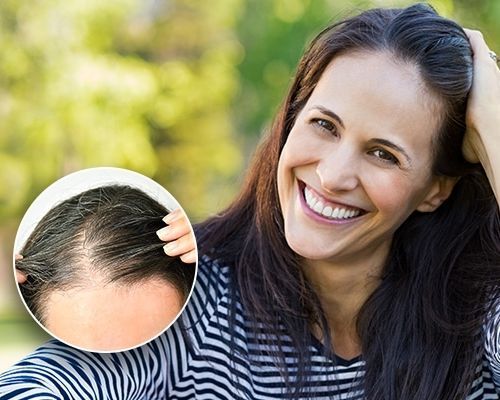
Hair loss, clinically called alopecia, can come on gradually or suddenly, ranging from mild thinning to widespread loss. Genetics, nutrition, and stress all play a role, and the American Academy of Dermatology notes that triggers can include heredity, hormonal shifts, medications, and stressful life events. Chemical exposures such as chemotherapy or acne medication, along with hormonal imbalances, can also push follicles into the dormant telogen phase.
The trick to keeping a thick, healthy head of hair is recognizing the signs early and acting on them. Here are the most common patterns:
Pattern Baldness is the most common type of hair loss in both men and women and is tied to the natural aging process. This genetic form, known as androgenetic alopecia, accounts for the large majority of hair loss cases worldwide.
Alopecia Areata shows up as circular patches of loss across the scalp. Most people see only one or two patches, though some have more. Researchers believe it stems from an autoimmune process, and the National Institute of Arthritis and Musculoskeletal and Skin Diseases describes it as the immune system mistakenly attacking the hair follicles.
Thinning, known as telogen effluvium, is marked by fewer hairs in the growing stage and more in the resting stage, so hair looks sparse in sections or all over.
Receding hairline affects roughly two-thirds of men and is characterized by a gradual retreat of the line where hair stops growing, leaving a larger region of sparsity or shiny scalp.
Balding can affect both men and women in varying degrees. Men usually see a receding hairline first, while women more often notice thinning across the crown.
Physical Damage happens to people who regularly pull their hair very tight or use harsh chemical processing, both of which can injure the follicle.
Hair loss has bothered people since ancient times. Only recently have we lived long enough to feel its full effects, and only recently has the science arrived to treat it. Today there are gentle, natural options that use the body's own growth factors and concentrated stem cells to do the work.
How does stem cell therapy rejuvenate hair?
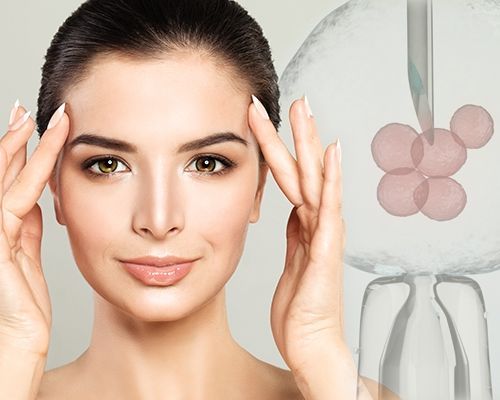
Stem cells are highly concentrated, undifferentiated cells, meaning they have not yet become a specific tissue type such as lung or joint tissue. Because they are undifferentiated, they can be reintroduced to almost any region of the body to support repair: healing damaged tissue, encouraging regeneration, and helping restore cellular function over time.
The aim in the scalp is to coax once-dormant follicles back into the growing phase, which can visibly improve thickness and sometimes texture. This regenerative idea has real scientific interest, and a review published through the National Institutes of Health highlights stem cell strategies that focus on reactivating hair follicle stem cells. Our regenerative stem cell therapy for thinning hair applies this approach in a clinical setting under medical supervision.
The stem cells used at ageRejuvenation undergo the same testing and screening process as organ donations and are taken from umbilical cords from full-term, scheduled cesarean sections. These cells are immune-privileged, meaning there is almost no risk of reaction, and all donor mothers complete an extensive screening process. By halting hair loss and reviving dormant follicles, this technology can help restore thickness and stave off further loss.
It is worth keeping expectations grounded. Regenerative hair care is still evolving, and the American Hair Loss Association notes that stem cell and exosome treatments hold genuine promise but are not yet fully proven or FDA-approved for hair restoration. A thorough consultation helps set realistic goals.
What does the stem cell hair procedure involve?
Traditional hair restoration often relies on daily topical or oral medication, which produces mixed results and possible side effects. A more aggressive route surgically moves hair from one part of the scalp to small holes elsewhere, which can be uncomfortable and does not add new follicles, only spreads existing ones around.
Stem cell therapy is far simpler. It uses your body's own platelet-rich plasma, which carries your natural growth factors, combined with concentrated stem cells. In this uncomplicated procedure, those growth factors are injected into the scalp to awaken dormant cells. Topical numbing keeps you comfortable, there is no downtime, and many patients begin seeing reduced shedding and new growth fairly quickly. Because the stem cells are so concentrated, improvements can continue for months.
These procedures are part of our broader regenerative medicine program, and they pair well with supporting services such as hormonal balancing or nutritional analysis when those factors play a role in your hair health.
How long do stem cell hair results take and last?
Most patients notice early changes within a few months, with fuller results building over six to twelve months as revived follicles cycle back into growth. Because hair grows slowly, patience matters, and progress is often gradual rather than overnight.
Results are not necessarily permanent. Hair loss is an ongoing biological process, so periodic maintenance sessions may help sustain gains. The number of sessions and the maintenance plan depend on your degree of loss and how your follicles respond, which is why a personalized assessment is so valuable.
Who is a good candidate for stem cell hair therapy?
The best candidates have early to moderate thinning with follicles that are still alive but dormant. People with androgenetic alopecia or general thinning across the crown or part line often respond well, since the goal is to reactivate existing follicles.
Stem cell therapy is generally less effective on areas that are completely bald, where the follicles have already died, because there is little living tissue left to stimulate. A medical evaluation is the only reliable way to know whether your scalp still has the dormant follicles this approach depends on.
Frequently Asked Questions
Does stem cell therapy for hair loss actually work?
Many patients see reduced shedding and renewed growth when living, dormant follicles are reactivated. That said, the field is still emerging. Independent groups, including the American Hair Loss Association, describe regenerative hair treatments as promising yet not fully proven, so a candid consultation about realistic outcomes is essential.
How long does stem cell hair therapy last?
Early improvements often appear within a few months, with fuller results developing over six to twelve months. Because hair loss is an ongoing process, results are not guaranteed to be permanent, and periodic maintenance sessions may help you hold onto and build on your gains over time.
Is stem cell therapy for hair loss painful?
The procedure is designed to be comfortable. Topical numbing is applied before the injections, and most people describe only mild pressure or brief stinging. There is no surgical incision and no downtime, so you can typically return to your normal routine the same day.
How is stem cell therapy different from PRP for hair?
Platelet-rich plasma uses concentrated growth factors drawn from your own blood, while stem cell therapy combines those growth factors with concentrated stem cells for an added regenerative signal. The two are often used together because the growth factors and stem cells can complement each other in waking up dormant follicles.
Can stem cell therapy regrow hair on a completely bald scalp?
It works best where dormant but living follicles remain, such as thinning crowns or widening parts. On fully bald areas where the follicles have died, results are limited because there is little living tissue to stimulate. A scalp evaluation determines whether enough viable follicles are present.
Ready to take the next step?
Talk with the AgeRejuvenation team about a Stem Cell Therapy plan built around your labs and goals.