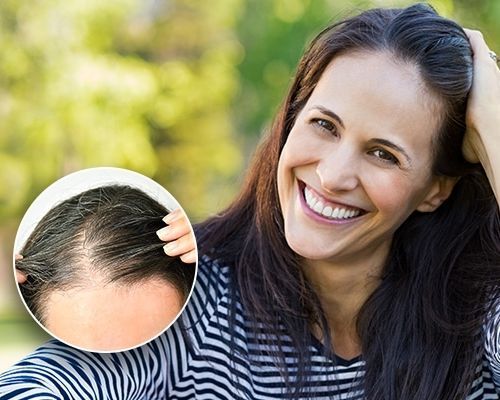
Stem cell and exosome therapy (ECT) treats hair loss without surgery by reactivating dormant follicles with concentrated regenerative cells injected into the scalp. It works best for early to moderate thinning, is well tolerated under local anesthesia, and builds visible density over months. ageRejuvenation offers it across four Tampa Bay offices for men and women.
Hair loss is a common side effect of aging that, in the past, forced millions of people to turn to only a handful of inconvenient solutions. Today at ageRejuvenation we offer a blend of effective, convenient treatments that combat hair loss for men and women around the Tampa Bay area.
Instead of temporary fixes, our therapies are long-term hair-loss solutions that do not require complex surgery to achieve dramatic goals. Stem Cell Therapy, also known as Exosome Therapy, or ECT, is one of our leading regenerative stem cell treatment for thinning hair options. It targets cells beneath the skin and revitalizes them back into youthful production using the powerful regenerative properties of exosome cells. With simple injections, stem cells essentially help bring dormant hair follicles back to active growth.
What Is Stem Cell Therapy for Hair Loss?
Stem cell therapy for hair loss is a non-surgical regenerative procedure designed to wake up dormant hair follicles rather than transplant new ones. Concentrated cells and exosomes are injected into thinning areas of the scalp to encourage the follicles to re-enter their natural growth phase.
Stem cells and exosomes hold genuine promise inside the broader field of regenerative medicine, according to the American Hair Loss Association, which is why these treatments have drawn so much attention from people frustrated by daily creams and pills. The approach is one of several regenerative medicine therapies that support the body's own repair rather than masking the problem from the surface.
The Causes of Hair Loss in Men and Women
Hair loss can do a lot of damage to a person's self-esteem and continues to do so for men and women around the world today. According to the American Hair Loss Association (AHLA), around 85% of men will see a dramatic thinning of their hair by the age of fifty. Hair loss does not start there, though. The AHLA also mentions that around two-thirds of men will have experienced at least some sort of hair loss by 35.
Hair loss can be brought on by a range of factors, from genetics and certain medications to severe diseases and stress. Androgenic alopecia, also known as male pattern baldness (MPB), is largely driven by inherited follicle sensitivity to the hormone DHT, or Dihydrotestosterone. In this situation, DHT gradually shrinks hair follicles and shortens their growth cycle, so each new hair grows finer and shorter than the last.
Women are also highly susceptible to hair loss as they get older, succumbing to conditions such as female pattern hair loss (FPHL) that can lead to unsightly thinning. Parts in the hair may grow wider, showing more skin underneath, and hair can thin out across the scalp. FPHL is mainly a product of genetics, with hormones also playing a role, and it can leave a big impact after menopause.
When rummaging for over-the-counter remedies or discussing treatment options with a doctor, you might notice that most "solutions" call for daily use of some cream or ointment to encourage hair growth. Take Minoxidil, for example. The dermatology-recommended topical takes weeks to months to show results and requires consistent daily use, and some patients notice extra shedding before regrowth begins.
Treatments like Minoxidil may not seem like preferable long-term solutions, and thankfully, they are not the only options patients have today. Due to technological advances in the health industry, ageRejuvenation is now able to offer Exosome Cell Therapy to treat hair loss by reinvigorating hair follicles and infusing them with healthy, active cells.
How Does ECT for Hair Growth Work?
Hormonal imbalances and factors like stress and aging trigger responses on the scalp and dictate hair growth. Without the right combination of signals, hair follicles cannot produce thick, healthy hair.
With exosome cell injections, patients can restore hair follicles to a more youthful and healthy state of production. Researchers note that stem cell based approaches focus on reactivating the hair follicle's own stem cells, which is exactly the goal of in-office regenerative care. These cells are unique because they release growth signals and can support the repair of surrounding tissue.
ECT uses exosomes and regenerative cells in concentrated doses that are injected into the scalp to prompt natural hair growth. Instead of covering up thinning hair or bald spots, and instead of remapping your hairline through surgical implants, our in-office exosome and stem cell hair restoration encourages growth simply and naturally.
What Are Treatments Like for Stem Cell Therapy for Hair Loss?
The treatment itself is quick and well tolerated. Pain is minimized by local anesthesia before enriched cells and exosomes are injected into the scalp. The process is performed without any major discomfort, and effects are designed to be long-lasting, which is a huge benefit considering how short the actual appointment is.
Most people see gradual change rather than an overnight transformation. Visible improvement typically develops over several months as treated follicles cycle back into a healthy growth phase. Health specialists at our Tampa Bay offices assess every patient on their individual needs and will suggest ECT options and schedules that work best for them.
Who Is a Good Candidate for Exosome Cell Therapy?
The best candidates are people with early to moderate thinning who still have living, dormant follicles to revive. Because the therapy works by reactivating existing follicles, it is most effective before an area has gone completely bald.
While hair transplants require a strict set of qualifications to be eligible, ECT is a simpler alternative for those looking for effective hair-growth procedures. Therapy injections use concentrated doses of natural agents, so there is no worry over harsh chemicals or additives that could cause an allergic reaction. Contact an ageRejuvenation health specialist to gain a better understanding of whether you are a good candidate and how the procedure can benefit you best.
ECT Treatments at ageRejuvenation
Natural, healthy hair is not reserved for the youth, and ECT is here to prove that. Through this mild procedure, using the body's own regenerative signals to stimulate hair growth is quick and simple.
Your path to new hair growth begins when you speak with one of our health specialists to determine tailored treatment for your hair loss needs. With offices in South Tampa, North Tampa, Brandon, and Westchase, receiving revitalizing doses of Exosome Cell Therapy has never been more convenient.
Frequently Asked Questions
Does stem cell therapy for hair loss actually work?
Stem cell and exosome therapy can stimulate dormant follicles back into a growth phase, and results vary from person to person. It works best for early to moderate thinning where living follicles remain. As regenerative medicine research notes, these therapies show real promise but are not a guaranteed cure for advanced baldness.
How long does stem cell hair therapy last?
Results are not permanent in the way a transplant is. Treated follicles cycle through their natural growth phases, so many patients schedule periodic maintenance sessions to sustain thickness and coverage over time. Your provider can map out a realistic timeline based on your degree of thinning.
Is stem cell therapy for hair loss painful?
The procedure is generally well tolerated. Local anesthesia is used before the injections, so most patients report only mild discomfort. Temporary swelling, tenderness, or minor bruising at the injection sites can occur but typically resolves within a few days.
How is stem cell therapy different from a hair transplant?
A transplant surgically moves healthy follicles into thinning zones, while stem cell and exosome therapy uses injections to reactivate the follicles you already have. Therapy is non-surgical, faster to recover from, and aimed at slowing loss and improving density rather than relocating hair.
When will I see results from exosome hair therapy?
Hair grows in cycles, so visible change is gradual. Many people begin noticing improved density over several months as treated follicles return to active growth, with continued progress over the following year. Patience and any recommended follow-up sessions help maximize the outcome.
Ready to take the next step?
Talk with the AgeRejuvenation team about a Stem Cell Therapy plan built around your labs and goals.