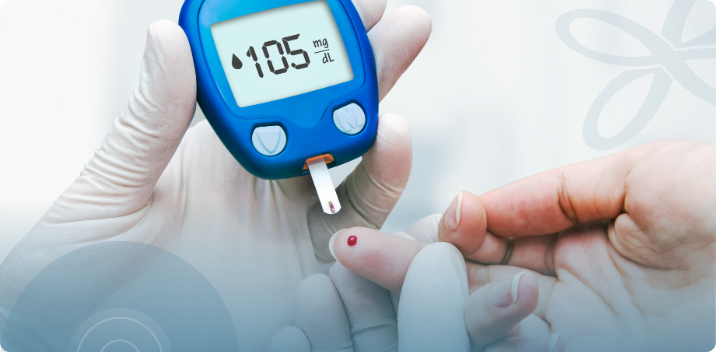
Pre-diabetes signals that insulin resistance is already straining your metabolism, but it is often reversible. A regenerative, root-cause plan uses advanced lab testing, supervised medical weight loss, tailored nutrition and movement, plus targeted hormone or peptide therapies to restore insulin sensitivity. Modest weight loss and consistent habits can shift A1c and energy over several months, helping you actively prevent type 2 diabetes.
Functional medicine for pre-diabetes can turn a lab result into a turning point instead of a lifelong label. When you see the word "pre-diabetic" on your report, it usually means your blood sugar is higher than it should be but not yet in the diabetes range. Even if you feel mostly fine, your metabolism is already under strain, and your risk for heart disease, stroke, and type 2 diabetes is rising.
The good news is that pre-diabetes is often reversible. Mayo Clinic notes that progression from pre-diabetes to type 2 diabetes is not inevitable, and that healthy eating, daily movement, and a healthy weight can bring blood sugar back toward normal. With the right kind of evaluation and a plan that treats the root causes, you can protect your long-term health and change where this story goes.
What Is Pre-Diabetes and Why It Matters
Pre-diabetes means your body is starting to have trouble managing blood sugar. Levels are above the ideal range, yet still below the threshold for diabetes, showing that your metabolism is working harder than it should.
Under the surface, the problem usually starts with insulin resistance. Your cells stop responding well to insulin, the hormone that helps move glucose out of your bloodstream and into tissues for energy. Sugar stays higher for longer after meals. To cope, your pancreas makes more insulin, which works for a while but not forever. The National Institute of Diabetes and Digestive and Kidney Diseases describes this same pattern, where cells stop responding normally to insulin and the pancreas struggles to keep up.
Over time, this pattern can:
Increase belly fat and make weight loss harder.
Raise blood pressure and triglycerides.
Damage blood vessels and nerves.
Pre-diabetes is also linked to fatty liver, inflammation, brain fog, and low energy. Many people do not feel any obvious symptoms until the system is already struggling. That is why catching insulin resistance and pre-diabetes early is so important.
Can Pre-Diabetes Really Be Reversed?
Yes, for many people pre-diabetes can be reversed or significantly improved. Cleveland Clinic explains that changing daily habits, such as moving more and adjusting how you eat, can help you manage or reverse pre-diabetes before it becomes type 2 diabetes.
The size of the change does not have to be dramatic to matter. A research review published through the National Institutes of Health found that lifestyle change, certain medications, and other interventions can reverse pre-diabetes in adults. The challenge is that generic advice rarely sticks, which is why a personalized, root-cause plan tends to work better than willpower alone.
A Functional, Root Cause View of Pre-Diabetes
Traditional care often focuses on watching the numbers and waiting. A functional approach asks different questions: why is your body having trouble controlling blood sugar in the first place, and what can we change now to give your metabolism a chance to recover?
What Does Root-Cause Testing Actually Look At?
Root-cause testing looks beyond a single glucose reading to see how your whole metabolism is behaving. Instead of looking at glucose alone, a complete evaluation explores how different systems are working together. This can include:
Fasting insulin to catch insulin resistance before glucose is very high.
Lipid profile and triglycerides to see how your body handles fats.
Markers of inflammation and liver health.
Thyroid function, since low thyroid can slow metabolism.
Sex hormones, which influence where you store fat and how your body uses energy.
Sleep quality, stress load, and daily movement patterns.
At AgeRejuvenation, we connect this full picture to underlying drivers like the early signs of insulin resistance and how they show up in everyday life, not just on a lab report.
Advanced Evaluation at AgeRejuvenation
Your first visit is not a quick conversation and a single test. The team reviews your health history, family risk, current medications, and day-to-day habits. We use advanced lab testing, body composition analysis, and hormone panels to see how your metabolism is functioning as a whole.
From there, your provider can design a plan that addresses the specific issues they find, rather than offering the same advice to every patient. This is where a true metabolic reset begins.
A Regenerative Metabolic Reset: Core Pillars of Care
A regenerative approach does more than lower blood sugar. The goal is restoring metabolic health by helping your body become more responsive to insulin, less inflamed, and better nourished. That usually means working on several pillars at the same time.
How Much Weight Loss Helps Pre-Diabetes?
Losing a modest amount of weight has an outsized effect on blood sugar. The Centers for Disease Control and Prevention notes that losing about 5 to 7 percent of your body weight, along with regular activity, can cut the risk of type 2 diabetes in people with pre-diabetes. For someone who weighs 200 pounds, that is roughly 10 to 14 pounds.
Food and movement are still the foundation, but the plan is tailored instead of generic. Many patients do well with:
Fewer refined carbohydrates, sugary drinks, and ultra-processed snacks.
More lean protein, fiber-rich vegetables, healthy fats, and lower glycemic carbs.
Regular strength training to build muscle, which acts like a sponge for glucose.
Walking or light activity after meals to soften blood sugar spikes.
If extra weight is part of the picture, a supervised medical weight loss program can help you lose fat while protecting muscle. When this is done under medical supervision, the focus is not just on the scale but on restoring metabolic health in a safe and sustainable way.
Targeted Therapies to Support Insulin Sensitivity
For some people, lifestyle changes alone are not enough. In those cases, your provider may suggest additional therapies that fit your lab results and symptoms. Depending on your needs, this can include:
Hormone treatments when low testosterone, estrogen imbalance, or thyroid issues are getting in the way.
Peptide therapy or other regenerative tools to support tissue repair, inflammation control, and cellular energy.
Carefully chosen supplements that support insulin sensitivity and mitochondrial function.
These therapies sit inside a broader set of physician-supervised metabolic and weight loss services designed to work together. The goal is not to pile on more medications but to give your body what it needs to heal key systems that have been under strain for years.
Ongoing Monitoring, Coaching, and Accountability
Metabolic repair does not happen in a few weeks. Most people need several months of steady changes before labs and symptoms shift in a clear way. During that time, regular check-ins, updated lab work, and honest conversations about what is or is not working are essential.
At AgeRejuvenation, providers track your glucose, A1c, fasting insulin, lipids, inflammation markers, and body composition. Your plan can then be adjusted so you keep moving in the right direction, rather than stalling after an initial burst of motivation.
Restoring Metabolic Health in Everyday Life: What You Can Expect
When the plan fits your biology and your lifestyle, you begin to notice small but meaningful changes. Many patients report more stable energy, fewer crashes after meals, and a quieter appetite within the first month or two. Clothes may fit differently even before the scale moves a lot.
Lab numbers typically change more slowly. Over several months, fasting insulin can fall, triglycerides can improve, and A1c can drift back toward the normal range. As you keep going, restoring metabolic health often shows up as better sleep, clearer thinking, and more confidence in your body.
Not everyone will have the same timeline, and there is no perfect result. Some people fully reverse pre-diabetes. Others significantly lower their risk and maintain those gains with ongoing support. What matters is that you are no longer passively watching the numbers. You are taking an active role in how you age.
Frequently Asked Questions
How long does it take to reverse pre-diabetes?
There is no fixed timeline, and it can range from a few months to a few years. Your starting point, other health conditions, and how consistent your changes are all play a role. Many people see energy and appetite improve within weeks, while lab markers like A1c usually shift more gradually over several months.
Can you reverse pre-diabetes without medication?
Often, yes. For many people, weight loss, better nutrition, regular movement, improved sleep, and stress management are enough to move blood sugar back toward normal. Some people benefit from added support such as hormone optimization or other therapies, which a provider can match to your specific lab results and symptoms.
What is the difference between pre-diabetes and insulin resistance?
Insulin resistance is the underlying problem, where your cells stop responding well to insulin. Pre-diabetes is what shows up on labs when that resistance pushes your blood sugar above normal but not yet into the diabetes range. In short, insulin resistance is the cause, and pre-diabetes is one of its measurable results.
Why am I pre-diabetic if I am not overweight?
Body weight is only one factor. Genetics, family history, low muscle mass, poor sleep, chronic stress, thyroid issues, and hormone imbalances can all drive higher blood sugar even at a normal weight. This is exactly why a root-cause evaluation looks well beyond the number on the scale.
What are the worst habits for pre-diabetes?
Frequent sugary drinks, heavily processed snacks, refined carbohydrates, long stretches of sitting, poor sleep, and untreated chronic stress all tend to worsen blood sugar control. Replacing even one or two of these patterns with steadier meals and daily movement can make a meaningful difference over time.
Conclusion
Pre-diabetes is a clear warning sign, and functional medicine for pre-diabetes gives you a practical way to respond before that warning turns into a diagnosis of type 2 diabetes. Instead of focusing only on blood sugar, this approach looks at insulin resistance, hormones, inflammation, gut health, and daily habits, then builds a plan that fits your real life.
AgeRejuvenation brings this kind of integrative care together under one roof. With advanced diagnostics, medical weight loss support, hormone treatments, and regenerative tools like peptide therapy, the team focuses on restoring metabolic health rather than just managing numbers on a page.
If you are ready to find out what is driving your pre-diabetes and how you can change course, you can start building your own metabolic reset plan. The goal is a healthier, more energetic future that you helped create.
Ready to take the next step?
Talk with the AgeRejuvenation team about a Medical Weight Loss plan built around your labs and goals.