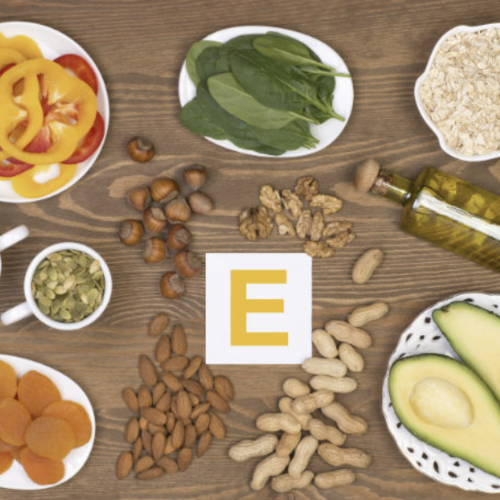
Low glycemic foods rank 55 or below on a 0 to 100 scale that measures how fast a food raises blood sugar. Choosing slower-digesting options like vegetables, legumes, most fruits, whole grains, and lean protein helps keep energy steady, curb hunger swings, and support weight and long-term metabolic health better than high glycemic foods that spike blood sugar.
Every food that contains carbohydrates has a glycemic index rating, a simple number that shows how quickly that food turns into glucose, or blood sugar, inside your body. Understanding the glycemic index gives you a practical way to keep your energy steady, manage your weight, and protect your long-term metabolic health. This guide breaks down what the glycemic index means, which foods sit on the low end of the scale, and why steadier blood sugar matters more than you might think.
What is the glycemic index?
The glycemic index is a scale that ranks carbohydrate foods from 0 to 100 based on how fast they raise your blood sugar after you eat them. Pure glucose sits at 100 and serves as the reference point for everything else.
Researchers assign each food a value by measuring how much it raises blood sugar compared with sugar or white bread. According to the Mayo Clinic overview of how the glycemic index works, foods are grouped into three bands. Low GI foods rank 1 to 55, medium GI foods fall between 56 and 69, and high GI foods score 70 or higher. The lower the number, the slower and gentler the effect on your blood sugar.
Why do steady blood sugar levels matter?
Your body works best when your blood sugar stays in a steady range. When levels drop, you feel hungry, shaky, and tired. When they spike, your pancreas releases a surge of insulin to move that sugar out of the blood and into your cells.
That hormone insulin is the key player here. Insulin moves glucose from your bloodstream into cells where it can be used for energy, as the Mayo Clinic explains in its breakdown of carbohydrates and blood sugar. Repeated sharp spikes force the body to keep pumping out large amounts of insulin, and over time that pattern can wear down how well your cells respond. Choosing slower-digesting foods is one of the simplest ways to keep this system running smoothly. Our team often pairs nutrition guidance with personalized nutritional counseling at our wellness center so the changes fit your real life, not a rigid rulebook.
What are some examples of low glycemic foods?
Low glycemic foods are those rated 55 and below, and they tend to be whole, minimally processed choices that digest slowly. Classic examples include apples, grapefruit, peanuts, and bean sprouts, all foods that release their sugars gradually rather than all at once.
The category is broader than many people expect. The Cleveland Clinic guide to the low glycemic index diet lists non-starchy vegetables like peppers, broccoli, and tomatoes, along with legumes such as lentils, chickpeas, and kidney beans. Most fruits, minimally processed grains like barley and steel-cut oats, and nuts also land in the low range. Lean proteins and healthy fats, such as eggs, fish, and olive oil, contain little or no carbohydrate, so they have a very low effect on blood sugar.
Are eggs really low glycemic? Yes. A clinical study indexed by the National Institutes of Health found that eggs have a relatively low glycemic index and do not meaningfully raise blood glucose, while also helping people feel full. That satiety can make low glycemic eating easier to stick with.
Which foods are high glycemic?
High glycemic foods are those rated 70 or above, and they push blood sugar up quickly. Common examples include baked potatoes, white rice, white bread, and many sugary treats.
You may be surprised by some of them. Foods like ice cream, watermelon, and macaroni and cheese also rank on the higher side. The MedlinePlus resource on the glycemic index and diabetes notes that highly refined grains and starchy staples tend to digest fast and spike blood sugar, while higher-fiber and whole-food versions of the same staples often sit lower on the scale. This is why a simple swap, such as steel-cut oats instead of instant cereal, can change how a meal affects you.
How can a low glycemic diet support your health?
A low glycemic eating pattern can support weight management, steadier energy, and better long-term metabolic health by smoothing out the blood sugar roller coaster. Slower-digesting foods help you stay full longer and reduce the constant hunger swings that lead to overeating.
The Harvard Health guide to good carbohydrates points out that low glycemic choices, including most fruits and vegetables, beans, minimally processed grains, and nuts, tend to be rich in fiber and nutrients. Over time, this style of eating may help support healthy weight and steadier blood sugar control. It can be an especially useful approach if you are working to improve metabolic patterns linked to insulin resistance, where the body has stopped responding efficiently to insulin. The right plan looks different for everyone, which is why the broader range of age management and metabolic wellness services we offer focuses on what fits your body and your goals.
How do you start eating lower on the glycemic index?
Start with small, sustainable swaps rather than a full diet overhaul. Replace white bread with whole-grain options, choose steel-cut oats over instant cereal, and build meals around non-starchy vegetables, legumes, and lean protein.
A few practical habits make a big difference. Pairing a carbohydrate with protein, fat, or fiber slows digestion and softens the blood sugar rise. Many free glycemic index lists are available online so you can check where your favorite foods land. The most important step is knowing how different foods affect you personally, then adjusting from there. Talking with your doctor or a nutrition professional before making major changes helps ensure your plan is safe and right for your needs. Results may vary by individual.
Frequently Asked Questions
What number is considered a low glycemic food?
A food is considered low glycemic when it scores 55 or below on the glycemic index. Medium foods fall between 56 and 69, and high glycemic foods score 70 or higher. The lower the number, the slower that food raises your blood sugar after eating.
Is a banana high or low glycemic?
A ripe banana is generally on the lower side of the scale, with an under-ripe banana ranking even lower because it contains more resistant starch and less simple sugar. As bananas ripen, their sugars become more available, which gradually nudges their glycemic value upward.
Are low glycemic foods good for weight loss?
Low glycemic foods can support weight management because they digest slowly and help you feel full longer, which may reduce overeating. They are not a magic solution on their own, but combined with overall nutrient-rich eating and activity, they can be a helpful part of a healthy weight plan.
Do protein and fat have a glycemic index?
Pure proteins and fats contain little or no carbohydrate, so they have a very low effect on blood sugar and are often listed as having no meaningful glycemic index. Foods like eggs, fish, poultry, nuts, and olive oil fall into this group and can help balance a meal.
Is the glycemic index the only thing I should consider?
No. The glycemic index does not measure portion size or overall nutrition, so a food can rank low yet still be high in calories or fat. Health experts recommend using it as one tool alongside fiber, nutrient content, and total dietary patterns rather than as the only guide.
Ready to take the next step?
Talk with the AgeRejuvenation team about a Nutritional Counseling plan built around your labs and goals.