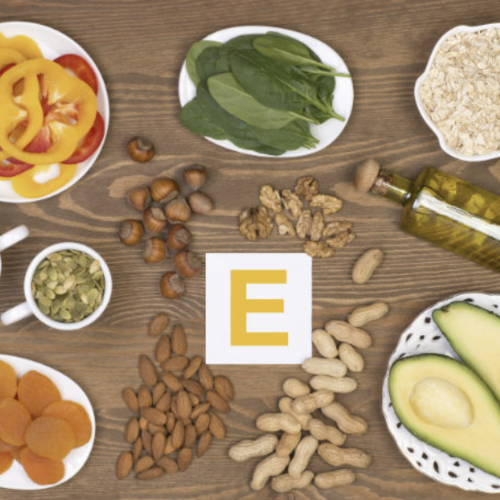
Vitamin E is a fat-soluble antioxidant that protects cells, supports heart and circulation, aids skin, muscle, and red blood cell health, and may help defend the brain. Most adults need about 15 mg daily, easily met through almonds, spinach, pumpkin, and avocado. A food-first, balanced diet usually beats isolated high-dose supplements for lasting whole-body vitality.
Better blood flow, better skin, and better eyesight are just a few of the rewards that come with getting enough vitamin E in your diet. This fat-soluble nutrient is one of the body's most important antioxidants, and most people can meet their needs through everyday foods like almonds, spinach, and avocado. Here is what vitamin E does, how much you need, and the simplest ways to add more of it to your plate.
What does vitamin E do in the body?
Vitamin E is a fat-soluble antioxidant that protects your cells from oxidative damage. According to the National Institutes of Health overview of vitamin E for everyday readers, it acts as a shield against free radicals, supports immune function, and helps keep your skin, eyes, blood, and brain healthy. Think of it as a nutrient that quietly keeps many systems running at once, which is part of why it is so closely tied to feeling and looking well as you age.
Because vitamin E touches so many systems, it pairs naturally with a thoughtful, whole-body approach to aging well. If you want help building meals around nutrients like this, our team's personalized nutritional counseling for vitamin-rich eating can translate the science into a simple daily plan.
How does vitamin E act as an antioxidant?
Vitamin E essentially prevents and removes what would be the equivalent of rust in your body. Because of its antioxidant abilities, it can prevent cellular damage and slow the oxidation of LDL cholesterol. The Linus Pauling Institute at Oregon State University explains that vitamin E neutralizes free radicals, the unstable molecules that damage cells over time. Oxidized LDL is a highly reactive molecule that can cause tissue damage as it searches for a way to stabilize itself, so curbing that process matters for long-term health.
How does vitamin E support heart and circulation health?
Vitamin E supports heart health largely through its effect on blood vessels and cholesterol. It increases nitric oxide levels, which aid the flexibility of arterial walls and help improve blood flow. A widely cited review on vitamin E in human health published through the National Institutes of Health notes that much of vitamin E's cardiovascular value comes from limiting the oxidation of LDL cholesterol, a key early step in artery plaque buildup. When LDL particles stay protected from oxidation, the inner walls of your arteries are less likely to accumulate the kind of damage that narrows them over time. Better blood flow is also why vitamin E that reaches the scalp can help support healthier hair growth, just as it improves circulation to the skin. It is worth remembering that diet usually delivers these effects more safely than high-dose pills, which is why a food-first approach is the standard recommendation.
Is vitamin E good for your skin and muscles?
Yes. Vitamin E is well known for skin support, and it also plays a quiet but important role in your muscles and blood. Just as it boosts blood flow to the skin, it helps that same blood reach the scalp. This nutrient is also important for the proper functioning of all three types of muscle cells in the body and contributes to red blood cell formation. The MedlinePlus encyclopedia entry on vitamin E from the National Library of Medicine confirms that vitamin E helps form red blood cells, widens blood vessels, and supports communication between cells.
Does vitamin E help your body use other nutrients?
Yes. Your body's ability to efficiently use vitamin A, vitamin K, iron, and selenium depends in part on vitamin E. This nutrient helps make sure cells receive what they need so they can perform their necessary duties. That cooperative role is one reason a balanced diet usually outperforms a single isolated supplement, because the nutrients support one another. When you eat whole foods that naturally contain vitamin E, you also tend to get healthy fats, fiber, and other vitamins in the same bite, which is exactly the kind of synergy that pills cannot easily replicate.
Can vitamin E protect the brain?
Vitamin E may help protect the brain, though it is not a cure for cognitive disease. It contributes not only to a healthy body but also to a healthy mind. The Mayo Clinic review of vitamin E and brain health reports that some research suggests high-dose vitamin E might slow the worsening of mild to moderate Alzheimer's disease, while other studies do not show the same effect. The picture is still developing, so vitamin E is best viewed as one supportive piece of brain health rather than a stand-alone treatment.
How much vitamin E do you need each day?
Most adults need about 15 milligrams of vitamin E per day, and the great news is that food can usually get you there. The Cleveland Clinic guide to vitamin E and how much you need notes that vitamin E supports the immune system and helps reduce inflammation, which plays a role in many chronic conditions. Including vitamin E through foods such as almonds, spinach, pumpkin, and avocado, or by supplementing with a quality multivitamin, can help you obtain and maintain vitality that supports overall mind and body rejuvenation.
Eating for energy, longevity, and steady vitality is exactly the kind of foundation that our broader wellness center programs for healthy aging are built around. Many people find that fine-tuning everyday nutrition is the simplest first step toward feeling more like themselves. If you are also navigating persistent tiredness, addressing the root causes behind stubborn low energy and chronic fatigue alongside good nutrition can make a meaningful difference.
Frequently Asked Questions
What happens if you take vitamin E every day?
For most people, getting vitamin E daily through food is safe and supports immune health, skin, and circulation. Routine high-dose supplements are a different story. The Mayo Clinic notes that large doses taken by mouth may raise certain health risks, especially for people with existing conditions, so it is best to talk with a clinician before starting one.
What are the signs you might need more vitamin E?
True vitamin E deficiency is uncommon but can show up as nerve-related symptoms like numbness or tingling, muscle weakness, vision changes, and a weakened immune response. Because these signs overlap with many other issues, testing and a professional evaluation are the most reliable way to know whether your levels are low.
What foods are highest in vitamin E?
Some of the richest sources are nuts and seeds, especially almonds, hazelnuts, and sunflower seeds, along with vegetable oils, spinach, and avocado. Adding a small handful of nuts or a serving of leafy greens to your meals is an easy, food-first way to reach your daily target without relying on pills.
Does vitamin E help with skin and hair?
Vitamin E supports skin by helping defend cells from oxidative and UV-related damage and by improving blood flow. That same boost in circulation can reach the scalp, which is why vitamin E is often linked to healthier hair growth. A nutrient-rich diet remains the most dependable way to deliver these benefits over time.
Should you take a vitamin E supplement?
Most people meet their needs through a balanced diet and do not require a separate vitamin E supplement. If you have a restrictive diet, a digestive condition that affects fat absorption, or specific health concerns, a clinician can help you decide whether supplementation is appropriate and at what dose.
Ready to take the next step?
Talk with the AgeRejuvenation team about a Nutritional Counseling plan built around your labs and goals.