Antioxidants protect your cells from free radical damage that drives many signs of aging. Aim for 2 to 9 daily servings of colorful produce like berries, leafy greens, beans, and artichokes. Whole foods beat supplements because they deliver fiber and vitamins together. Variety across colors matters most, and a few berry servings a week may even support memory.
Antioxidants are some of the hardest working compounds in your diet, yet most people are not sure whether they are getting enough. These molecules act like the guardians of your cells, helping to neutralize free radicals, the unstable molecules that can damage cells and contribute to a range of health problems. The good news is that filling your plate with the right foods is simple, affordable, and one of the most reliable ways to support healthy aging. Below we break down what antioxidants actually do, how much you need, and which everyday foods deliver the most.
What do antioxidants actually do in the body?
Antioxidants are nutrients that help protect your cells from daily damage caused by free radicals. As your cells use oxygen for energy, they naturally create unstable molecules that can harm cell structures and DNA over time. Antioxidants step in to slow or prevent this oxidative process before lasting harm is done.
This matters because long term free radical damage has been linked to many of the health issues we associate with getting older. According to the Mayo Clinic, research suggests free radical damage may add to the risk of conditions tied to aging, including heart disease, age related macular degeneration, and certain cancers. By reducing that ongoing wear, antioxidants help your body stay resilient.
Antioxidants are also friends to your skin. They can help slow some of the visible signs of aging by supporting collagen and helping the skin hold on to its natural glow. For anyone focused on aging well from the inside out, building a steady antioxidant habit is a foundational step, and it is one of the first topics we cover in our whole person nutrition counseling program.
How many servings of antioxidants do you need each day?
To make sure you are getting adequate amounts, aim for roughly 2 to 9 servings of antioxidant rich produce a day. The wide range gives you flexibility, but the higher end is the better goal because variety is what truly counts.
No single food can do it all. Different colors signal different antioxidants, so a plate that mixes red, orange, yellow, green, and deep blue or purple foods covers more ground than eating large amounts of just one item. The Mayo Clinic notes that a food's color is a useful hint about which antioxidants it provides, which is why eating across the rainbow is such practical advice.
Spacing your intake also helps. Some antioxidants, such as vitamin C, are not stored in the body, so eating foods that contain them every day helps keep your levels steady rather than relying on an occasional big serving.
Which foods are highest in antioxidants?
When people think about getting more antioxidants, they often picture supplement bottles. Your local vitamin shop, however, is far from the only place to find these compounds. The richest sources sit in plain sight in your grocery store, in the produce aisle, the frozen fruit and vegetable section, and the whole grain shelves.
Plant based foods are the best sources overall. A widely cited analysis of the total antioxidant content of more than 3,100 foods found that berries, fruits, nuts, chocolate, vegetables, and the products made from them rank among the highest in antioxidant value. The original article highlighted blueberries, strawberries, legumes, pinto beans, and artichokes as standout choices, and modern research backs that up.
Some easy options to keep on hand include:
Berries such as blueberries, strawberries, blackberries, and raspberries
Leafy greens like kale and spinach
Beans and legumes, including pinto beans
Artichokes, beets, and red cabbage
Nuts and seeds such as walnuts, pecans, and sunflower seeds
Green tea and high cocoa dark chocolate
Harvard's Nutrition Source points out that familiar antioxidants like vitamin C, vitamin E, beta carotene, and the mineral selenium all come from these kinds of whole foods, which makes a colorful diet the simplest delivery system.
Can antioxidants in berries support brain and memory health?
There is encouraging evidence that berries in particular may benefit the aging brain. The original version of this article noted that studies have linked eating at least two servings of berries a week to a slower rate of memory decline, and the anthocyanins that give berries their deep color are the compounds researchers credit most.
These same plant pigments are part of why berries score so high on antioxidant rankings. They are easy to add to oatmeal, yogurt, or a smoothie, and frozen berries retain their antioxidants well, so they are a budget friendly year round option.
Are food sources better than antioxidant supplements?
For most people, food is the smarter source. The Mayo Clinic explains that antioxidants taken in from a varied diet over a long period seem to support health, while individual antioxidants taken as isolated supplements have much weaker scientific backing.
Australia's Better Health Channel reaches a similar conclusion, noting that whole plant foods deliver antioxidants alongside fiber, vitamins, and minerals that supplements cannot replicate. In other words, the package matters as much as the nutrient. A blueberry brings antioxidants plus fiber, water, and other phytonutrients that work together.
The National Center for Complementary and Integrative Health adds an important caution, reporting that high dose antioxidant supplements may sometimes do more harm than good and are not a substitute for a healthy diet. If you are considering supplements, that is a conversation worth having with a qualified provider rather than a guess at the vitamin aisle.
Does cooking change the antioxidant value of food?
Yes, and not always for the worse. Drying, freezing, and cooking can each shift antioxidant levels. Sometimes cooking actually makes an antioxidant easier for your body to absorb. Lycopene in tomatoes is a classic example, since cooked tomatoes deliver more usable lycopene than raw ones.
Pairing matters too. Orange and yellow vegetables rich in beta carotene become more available when eaten with a little healthy fat. On the other hand, some delicate antioxidants in berries hold up best when the fruit is fresh or frozen rather than processed into jam. The takeaway is to enjoy a mix of raw and cooked produce so you capture the full range of benefits.
Building antioxidants into a healthy aging plan
Getting enough antioxidants is not about chasing a single superfood. It is about consistency, color, and variety across your week. Pairing a produce rich diet with the rest of your routine is exactly the kind of foundation that supports energy, skin health, and resilience over time.
If you want a personalized plan, our wellness center team helps patients translate research like this into realistic daily habits. Targeted guidance can be especially helpful if you are managing concerns such as ongoing chronic fatigue and low energy, where nutrition is one piece of a larger picture. As always, results may vary by individual, so talk with your doctor or provider to see what is right for you.
Frequently Asked Questions
What food has the most antioxidants?
Berries are consistently among the top food sources, with blueberries, strawberries, blackberries, and raspberries ranking very high. Beans, artichokes, pecans, walnuts, dark leafy greens, and high cocoa dark chocolate are also excellent choices. Eating a variety of these foods gives you a broader mix of antioxidant compounds than relying on any one item.
What are the big three antioxidants?
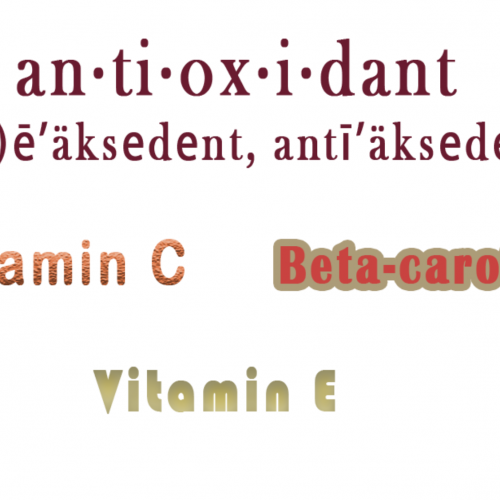
The most familiar dietary antioxidants are vitamin C, vitamin E, and beta carotene, which is one of the carotenoids your body can convert toward vitamin A. The minerals selenium and manganese also support your body's own antioxidant defenses. You can get all of these from a colorful diet of fruits, vegetables, nuts, and whole grains.
How many servings of antioxidant foods should I eat a day?
Aim for roughly 2 to 9 servings of antioxidant rich fruits and vegetables each day, leaning toward the higher end when you can. Variety is the priority. Choosing produce in several colors helps you cover the widest range of antioxidant types rather than overloading on a single source.
Are antioxidant supplements as good as food?
For most people, no. A varied whole food diet provides antioxidants alongside fiber, vitamins, and other nutrients that work together, while isolated high dose supplements have weaker evidence and can sometimes carry risks. Food first is the safer strategy, and any supplement decision is best made with a qualified provider.
Can antioxidants help slow signs of aging?
Antioxidants help limit free radical damage that contributes to many age related changes, including effects on the skin. A steady, produce rich diet can support skin glow and overall cellular health over time. It works best as part of a broader healthy aging routine that includes sleep, movement, and regular checkups.
Ready to take the next step?
Talk with the AgeRejuvenation team about a Nutritional Counseling plan built around your labs and goals.