Digestive enzymes break down carbs, fats, and proteins so your body can absorb nutrients. They do not directly burn fat, but better digestion can ease bloating, steady energy, and curb cravings, making a weight loss plan easier to follow. Signs of low enzymes include bloating, gas, and fatigue after meals. They work best taken with food and inside a guided gut health plan.
When it comes to your body's overall health, what you see and feel on the outside is directly affected by what is going on inside. Your gut is where a huge range of biological work happens, from breaking down and absorbing your food to clearing toxins and waste. Your digestive tract also plays a major role in immune health, day to day energy, and your body's ability to manage weight. The typical American diet, heavy in processed foods and low in fiber, can leave the digestive system out of balance. The good news is that better food choices, smart supplementation, and a structured plan built around personalized diet and supplement guidance for a healthier gut can help restore that balance.
Digestive enzymes are special proteins made mostly in the pancreas and small intestine, and they break your food down into nutrients your body can actually absorb. The three main players are amylase for carbohydrates, lipase for fats, and protease for proteins, all of which are produced largely by the pancreas, according to Johns Hopkins Medicine. When enzyme levels run low, your body cannot fully break down meals, so even a clean diet may not deliver the nutrients you need. That poor absorption can leave you feeling tired, bloated, and hungry sooner than expected.
What Do Digestive Enzymes Actually Do?
Digestive enzymes turn the food you eat into fuel your cells can use. Each enzyme targets a specific nutrient: amylase breaks down starches and sugars, lipase handles fats, and protease takes apart proteins into amino acids. Without enough of them, large food molecules pass through the gut only partly digested.
This breakdown process is the foundation of nutrient absorption. As food moves through the stomach and small intestine, enzymes and other digestive juices work together so nutrients can pass into the bloodstream, a process the digestive tract repeats with every meal, as Cleveland Clinic explains. When that system runs smoothly, you get more energy from the same food. When it lags, you can feel sluggish even while eating well.
Can Digestive Enzymes Help With Weight Loss?
Digestive enzymes do not directly burn fat, but they can support a weight loss plan by improving how well your body breaks down and absorbs food. Better digestion can mean less bloating, steadier energy, and fewer cravings, which makes a healthy eating plan easier to stick with.
The honest picture matters here. Research shows that over the counter enzyme supplements do not directly cause weight loss on their own, though they may support gut health and smoother digestion, as Healthline reports. Lasting weight change still depends on overall diet, activity, and consistency. What enzymes can do is help remove some of the digestive friction that makes healthy habits harder to maintain. When food is broken down well, your body absorbs nutrients more efficiently, and you may feel more satisfied after meals.
For patients focused on long term weight loss, targeted supplementation is often part of the picture. The typical American diet leans on processed carbohydrates, heavy proteins, and fats, while most people simply do not eat enough raw fruits and vegetables. Pairing digestive enzymes and probiotics with a thoughtful eating plan helps your body break food down for proper use, supports recovery of the digestive system, and gives your weight loss efforts a stronger foundation.
What Are the Signs You May Need Digestive Enzymes?
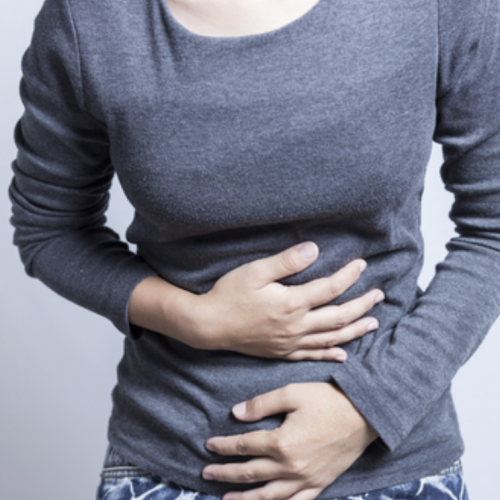
Common signs of low digestive enzymes include ongoing bloating, gas, indigestion, heartburn, undigested food in stool, and feeling tired after meals. These symptoms suggest your body may not be breaking food down completely.
Your digestive system relies on a steady supply of enzymes and other juices to process every meal, and when production falls short, symptoms tend to show up after eating, according to the National Institute of Diabetes and Digestive and Kidney Diseases. Many people notice that their stomach feels heavy, swollen, or uncomfortable even when meals are reasonable in size. Some otherwise fit people carry a protruding stomach and struggle to lose weight, which can be a sign of poor digestive health rather than simple overeating. If these patterns sound familiar, it is worth looking at gut function rather than just counting calories.
Good digestive health supports your whole body. Here are some additional ways digestive enzyme supplementation may help:
Supports weight loss efforts
Naturally helps control appetite
Aids in relieving indigestion
May help with acid reflux and heartburn
Can ease symptoms of irritable bowel syndrome (IBS)
May reduce fatigue, sleep trouble, and joint discomfort
When Should You Take Digestive Enzymes?
Digestive enzymes are usually taken right before or at the start of a meal so they are present when food arrives in the stomach and small intestine. This timing lets the enzymes work alongside your body's own digestive juices.
Taking them with food, rather than on an empty stomach, helps them act on the meal you are about to digest. Pairing this habit with a fiber rich diet, plenty of water, and fermented foods can further support your gut. If chronic gut inflammation is part of your picture, calming that irritation often goes hand in hand with improving how your body breaks down food. A practitioner can help you match enzyme type and timing to your specific symptoms and goals.
Is There a Downside to Taking Digestive Enzymes?
For most people, digestive enzymes are well tolerated, but side effects can include nausea, gas, stomach cramps, or changes in stool. Over the counter products are also not tightly regulated, so quality varies between brands.
Because supplement quality and labeling are not closely overseen, most healthy people who eat a balanced diet may not need extra enzymes at all, and a whole food approach is often enough, as Johns Hopkins Medicine notes. People with certain medical conditions, such as diagnosed pancreatic insufficiency, may genuinely need enzyme support, while others do better focusing on diet first. There is also active research into enzyme inhibitors that may influence carbohydrate and fat absorption and modestly affect weight, published in the National Institutes of Health library. The takeaway is that enzymes are a tool, not a magic fix, and they work best inside a guided plan.
The longer your body has gone with low digestive enzymes, the longer recovery can take. It may take several weeks for your system to adjust as it is nourished and cleared of buildup, so patience matters during the healing process. Working with the team at our wellness center for a comprehensive approach to gut and metabolic health can help you choose the right enzymes, address underlying gut issues, and connect digestion to your larger weight and energy goals.
Frequently Asked Questions
Can taking digestive enzymes help you lose weight?
Digestive enzymes do not directly burn fat or cause weight loss. They can support weight loss indirectly by improving digestion, reducing bloating, and helping you absorb nutrients, which makes a healthy diet easier to follow. Sustainable results still come from overall diet, activity, and consistency over time.
What happens to your body when you start taking digestive enzymes?
When you begin taking digestive enzymes, your body may break food down more completely, which can reduce bloating, gas, and that heavy feeling after meals. Some people notice steadier energy and fewer cravings within a few weeks as nutrient absorption improves and the digestive system adjusts.
What are the signs you need digestive enzymes?
Common signs include frequent bloating, gas, indigestion, heartburn, feeling tired after eating, and seeing undigested food in your stool. These symptoms can point to incomplete food breakdown. A practitioner can help confirm whether low enzymes, diet, or another gut issue is the real cause.
When is the best time to take digestive enzymes?
The best time is usually right before or at the very start of a meal, so the enzymes are ready when food enters your stomach and small intestine. Taking them with food rather than on an empty stomach helps them work alongside your body's own digestive juices.
Are digestive enzymes safe to take every day?
For many people, digestive enzymes are well tolerated for daily use, though some experience nausea, gas, or cramps. Because over the counter products are not tightly regulated, quality varies, and most healthy people who eat a balanced diet may not need them. Check with a provider before starting a daily routine.
Ready to take the next step?
Talk with the AgeRejuvenation team about a Nutritional Counseling plan built around your labs and goals.