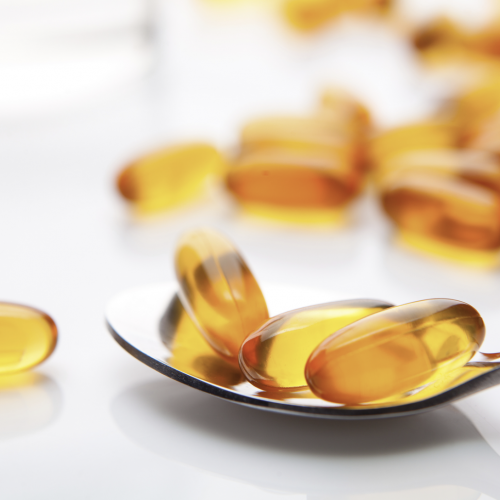
Fish oil delivers the omega-3 fatty acids EPA and DHA, which your body cannot make on its own. They calm the inflammation driven by an omega-6 heavy modern diet, support heart and brain health, and lift good HDL cholesterol. Eat oily fish often, and when food falls short, choose a high-concentration supplement rich in DHA and confirm your dose with a clinician.
We all know that fish oils are good, but why? The short answer is the omega-3 fatty acids inside them, and the way those fats quietly work against the inflammation that builds up in a modern diet.
Why is fish oil good for you?
Fish oil is good for you because it is a concentrated source of omega-3 fatty acids, which your body needs but cannot make on its own. The two most important ones, EPA and DHA, help calm inflammation, support a steady heartbeat, and protect brain and eye tissue. According to Mayo Clinic guidance on omega-3 fatty acids, your body uses these fats for everything from muscle activity to cell growth, so getting enough of them is a foundation for whole-body health.
Throughout the years, our diets have shifted away from getting a high amount of omega-3s. The shift has come from eating more processed foods and corn fed beef. Now we consume a diet filled with omega-6s instead of omega-3. These omega-6 rich diets have a high association with various diseases.
The omega-6 has effects on the inflammation of the body and could cause arthritis and cancers. When it comes to your overall metabolic balance, omega-6s could also reduce the body's capability to metabolize omega-3s. This is exactly where the right dietary choices, and the kind of personalized guidance you get through our expert nutritional counseling program, can shift the ratio back in your favor. Omega-3 to the rescue.
What does omega-3 EPA and DHA do for the body?
Omega-3 EPA and DHA play a key role in fighting the side effects of too much omega-6. Inflammation is one of the most easily noted changes that will occur, and a calmer inflammatory load is one of the first things people tend to feel. Chronic, low-grade inflammation sits behind many stubborn complaints, including ongoing gut inflammation, so dampening it matters more than most people realize.
In addition to reducing inflammation, an increase in heart health, your good HDL cholesterol, vision health, and lower blood pressure is common among the many benefits. Research from the NIH Office of Dietary Supplements omega-3 fact sheet notes that long-chain omega-3 supplements lower triglyceride levels and may reduce the risk of some cardiovascular problems. The Cleveland Clinic overview of omega-3 fatty acids similarly highlights heart support and lower triglycerides as standout benefits. These nutritional building blocks are also part of how our broader wellness center services help patients feel and function better as they age.
Where can you find omega-3s in food?
The best sources of omega-3s are oily, cold-water seafood. Diets plentiful in canned light tuna, catfish, wild salmon, shrimp, and pollock deliver the EPA and DHA your body uses most efficiently. Eating fish a couple of times a week is the simplest way to keep your levels up. Choosing wild-caught options where you can, and varying the type of fish you eat, also helps you keep mercury exposure low while still hitting your omega-3 targets.
When it is sometimes hard to fit enough fish into a person's diet, a supplement could help you reach healthy levels. There are many omega-3 supplements; however, they are not all the same.
Are all fish oil supplements the same?
No, fish oil supplements are far from equal, and the difference is mostly about purity. Many of them only have about 30 percent of the fish oil containing the omega-3 EPA and DHA. The rest of the fish oil is often filled with a mix of less desirable components.
We recommend Quell Fish Oils, since they are filled with 75 percent of the active ingredients needed, so you get more for less. A higher concentration means fewer pills and a cleaner product overall. When you compare labels, look past the total fish oil number on the front and read the EPA and DHA amounts on the supplement facts panel. A product can advertise a large milligram count yet still deliver only a small fraction of the active omega-3s your body is actually after.
What is the difference between long-chain and short-chain omega-3?
There are two main types of omega-3 fatty acids: long-chain omega-3 and short-chain omega-3. The long-chain forms are more beneficial and come from seafood and algae sources. The short-chain forms are less desirable, since it takes much more to get the same effect of the long-chain sources such as fish. Short-chain sources are plant or flaxseed items.
When it comes to the EPA and DHA omega-3s, both are great, but DHA is better due to the increased capability for your body to convert it. The Kaiser Permanente review of omega-3 fatty acids describes DHA as a major structural component of brain and retina tissue, which helps explain why this particular fat is so valuable. This is why our fish oils are higher in DHA.
How much fish oil should you take per day?
A common starting point is two soft gels per day with a meal if using our Quell Fish Oils. Taking fish oil with food improves absorption and reduces the chance of a fishy aftertaste. This can vary depending on your health status or by the product itself and how much is in each soft gel.
Because of the amount of health benefits from these omega-3s, we highly recommend them if a person is not already taking any or if one's body is simply not getting enough from food sources. Guidance from the USDA Agricultural Research Service on fish oils reinforces that including oily fish or quality omega-3s supports heart health and a healthy triglyceride profile. Results may vary by individual, so consult your doctor and see if this is right for you.
Frequently Asked Questions
What happens if I take fish oil omega-3 every day?
Taking a quality omega-3 supplement daily helps maintain steady EPA and DHA levels, which supports a calmer inflammatory response, healthy triglycerides, and brain and eye tissue. Most people tolerate daily use well, though very high doses can increase bleeding risk, so it is wise to confirm your dose with a clinician.
What are the signs you might need more omega-3?
There is no single test you can read at home, but a diet low in seafood and high in processed foods and corn fed beef tilts you toward an omega-6 heavy pattern. Dry skin, stiff joints, and ongoing low-grade inflammation are common reasons people look at adding omega-3s.
Is fish oil or plant-based omega-3 better?
Fish oil delivers long-chain EPA and DHA directly, which your body uses most efficiently. Plant and flaxseed sources provide short-chain omega-3 that must be converted, and the conversion is limited, so you need much more to get a similar effect. For most people, marine or algae sources are the stronger choice.
What is the best time to take fish oil?
The best time is with a meal that contains some fat, which improves absorption and cuts down on the fishy aftertaste or burps that bother some people. Splitting your soft gels between two meals can also help. Consistency day to day matters more than the exact hour.
Should I talk to a professional before starting fish oil?
Yes. Fish oil can interact with blood thinners and blood pressure medications, and the right dose depends on your health goals. A short conversation with your provider or our nutrition team helps match the product, concentration, and dosage to your needs so you get the benefit safely.
Ready to take the next step?
Talk with the AgeRejuvenation team about a Nutritional Counseling plan built around your labs and goals.