Thyroid problems often hide behind everyday symptoms like fatigue, weight gain, and brain fog, so they frequently go unnoticed. Because the condition rarely fixes itself, early blood testing and prompt treatment matter. With consistent thyroid support and monitoring, hormone levels can return to a healthy range and most people start feeling like themselves again within weeks.
People talk all the time about routine check-ups, blood pressure readings, and yearly physicals. These visits help you stay healthy and feel better day to day. Yet how often do you hear someone mention an appointment to check their thyroid? That one rarely comes up, even though a small gland in your neck can shape how your whole body feels.
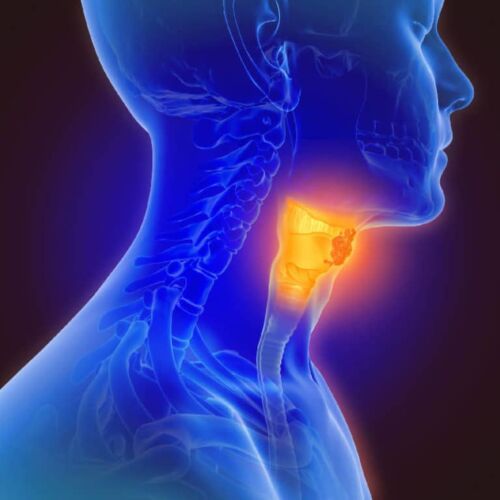
The thyroid sits at the base of your neck and makes hormones that control how fast your body uses energy. When it slows down or stops working well, the effects can ripple through your weight, mood, sleep, and mental clarity. At ageRejuvenation, the team understands how much a low or non-functioning thyroid can change your life, which is why focused thyroid support that restores hormone balance helps people feel and look better than they have in a long time.
Why is thyroid health so important?
Thyroid health matters because this small gland regulates your metabolism, body temperature, heart rate, and energy. When hormone levels drop, nearly every organ can slow down. Catching the problem early keeps small symptoms from turning into bigger health concerns.
Women tend to face more thyroid trouble than men. According to the National Institutes of Health, women, especially after age 60, are more likely to develop an underactive thyroid than men (NIDDK explains who is most at risk). These problems can lead to irregular body temperature, unexplained weight gain, and a slower metabolism.
Thyroid disorders often go unnoticed, but they should never go untreated once diagnosed. Hypothyroidism, an underactive thyroid, is one of the most common thyroid conditions, and with proper attention it can respond well to treatment. The Cleveland Clinic notes that hypothyroidism cannot be cured, but it is highly manageable with the right care plan (Cleveland Clinic on managing an underactive thyroid).
What are the warning signs of a thyroid problem?
Common warning signs of a thyroid problem include fatigue, weight gain, feeling cold, dry skin, brain fog, and low mood. Because these symptoms overlap with many other conditions, thyroid issues are easy to miss without proper testing.
Many people brush off these signs as stress, aging, or a busy schedule. According to MedlinePlus, hypothyroidism symptoms often build slowly and may include puffiness in the face, joint and muscle pain, constipation, and trouble tolerating cold (MedlinePlus lists common thyroid symptoms). If several of these sound familiar, it is worth getting checked. Ongoing tiredness in particular can signal an underlying hormone issue, and understanding the link between thyroid dysfunction and your body can help you decide when to ask for testing.
How are thyroid disorders diagnosed?
Thyroid disorders are diagnosed mainly through blood tests. The first test usually measures thyroid-stimulating hormone, or TSH. If results are off, a doctor checks thyroid hormone levels such as T-4 to confirm the diagnosis and pinpoint the best treatment.
At ageRejuvenation, there is a clear system to identify the issue, followed by careful planning to address it. Blood work is drawn and examined closely so the care plan fits your specific results, not a one-size-fits-all guess. The Mayo Clinic confirms that a hypothyroidism diagnosis does not rely on symptoms alone, since they often resemble other conditions, and is instead based on blood test results (Mayo Clinic on thyroid diagnosis and treatment). Accurate testing is the foundation of effective, personalized care across the full range of hormone and wellness services for women.
Why you should not delay treatment
It is easy to put off until tomorrow what should be done today. With thyroid disease, though, waiting carries a real cost. Failing to seek treatment can allow the condition to progress and lead to more intense problems over time.
Time is the biggest enemy in the fight against thyroid disease, because the condition has often existed for a long while by the time it is caught. That is why prompt consultation, testing, and treatment matter so much. Once the process begins, the thyroid starts to respond, but prolonging treatment makes that response less immediate and less effective.
Can a thyroid condition be reversed or managed long term?
Most thyroid conditions are managed long term rather than fully reversed. With consistent treatment and monitoring, hormone levels can return to a healthy range, symptoms ease, and many people feel close to their old selves again.
The good news is that thyroid care is well established and reliable. The standard treatment for hypothyroidism is daily thyroid hormone replacement, which restores hormone levels and relieves symptoms (American Thyroid Association on hypothyroidism). Most people start to feel better within a few weeks of beginning treatment. Regular follow-up keeps your dosage right as your needs change, which is why ongoing thyroid support is treated as a long-term partnership, not a single fix.
The best approach to thyroid care
ageRejuvenation has years of experience with thyroid disorder treatment and works diligently to help people who face the condition. The systematic, step-by-step approach the team uses is essential to achieving a healthy, properly functioning thyroid.
Effective thyroid disorder treatment in Tampa is available for anyone living with thyroid disease or noticing symptoms that suggest it may be present. The sooner you act, the sooner you can start feeling like yourself again, with more energy, steadier weight, and a clearer mind.
Frequently Asked Questions
What are the most common symptoms of an underactive thyroid?
The most common symptoms include fatigue, unexplained weight gain, feeling cold, dry skin, brain fog, constipation, and low mood. Symptoms often appear slowly and look like other issues, so blood testing is the only reliable way to confirm a thyroid problem.
Why do women get thyroid problems more often than men?
Women develop thyroid disorders more often than men, and the risk rises with age. Hormonal shifts during pregnancy, after childbirth, and around menopause can all affect thyroid function, which is one reason regular screening is helpful for many women.
Can stress cause thyroid problems?
Stress does not directly cause most thyroid disease, but it can worsen symptoms and affect how you feel. Chronic stress influences your overall hormone balance, so managing stress alongside proper medical treatment supports better day-to-day results.
How is a thyroid problem tested?
A thyroid problem is tested through blood work that measures thyroid-stimulating hormone, or TSH, and thyroid hormones such as T-4. These results show whether your thyroid is underactive or overactive and guide a personalized treatment plan.
How soon will I feel better after starting treatment?
Many people begin to feel better within one to two weeks of starting thyroid hormone treatment, with fuller improvement over the following weeks. Your provider checks your levels periodically to fine-tune the dose and keep your symptoms under control.
Ready to take the next step?
Talk with the AgeRejuvenation team about a Thyroid Support plan built around your labs and goals.