How you train shapes your results: cardio burns more calories per minute, but strength training builds muscle that raises your metabolism and keeps burning fat for up to 72 hours afterward. HIIT torches fat fast, and combining resistance work, cardio, protein, and sleep delivers the best body composition change for lasting weight loss.
Did you ever think that the way you exercise might be working against your fitness and weight loss goals, instead of helping you achieve them? If you tend to forgo strength training for the treadmill or other types of cardio workouts, you may want to reconsider. Strength training coupled with diet and cardio burns more fat than cardio and diet alone. The type of training you choose changes how your body composition shifts, and pairing the right exercise plan with a structured physician-guided fat loss program is often what turns short-term effort into lasting results.
Does strength training burn more fat than cardio?
Yes, over time. Cardio burns more calories minute-per-minute during the session, but strength training builds muscle that keeps burning fat around the clock. Evidence reviewed by clinicians suggests that, compared to cardio alone, lifting weights tends to burn more fat and shows more promising long-term results for changing body composition.
Muscle building is the number one way to increase your metabolic rate long term. With a cardio workout, you may burn more calories minute-per-minute, but those calories will come from carbs, fat and protein, the building blocks for muscle. If your goal is to reduce your body fat percentage, you actually need to increase muscle, and strength training is the way to do it. Because muscle tissue requires more energy to maintain than fat, the more lean muscle you carry, the more calories your body burns even at rest.
How long do you keep burning calories after a workout?
You stop burning extra calories almost immediately after steady cardio ends, but strength training keeps your metabolism elevated for far longer. As your body repairs and grows muscle and returns your enzyme levels to normal, the afterburn continues, increasing caloric burn for up to 72 hours after you leave the gym.
This recovery-driven afterburn is sometimes called excess post-exercise oxygen consumption. According to Sharp HealthCare, your metabolism can stay elevated for hours after a heavy lifting session while your muscles rebuild, which is one reason resistance work pays off well beyond the time you actually spend training.
Cardio exercises such as running and spinning promote muscular endurance, but they should not replace strength training in your workout plan. Resistance-heavy cardio and strength training target different muscle fibers and both are necessary for optimal health. The strongest approach is usually a blend: a large analysis of aerobic and resistance training programs found that combining the two changed body mass and fat mass most effectively.
Is HIIT better than steady cardio for fat loss?
For burning calories and fat in less time, high-intensity work often wins. In fact, studies have shown that High-Intensity Interval Training (HIIT) is more effective for burning calories and fat than long-endurance cardio workouts. In this exercise strategy, you alternate short periods of intense anaerobic exercise with less intense recovery periods.
If you are trying to track the calories burned by your workouts, what is the best way? Do not rely on your cardio machines like treadmills and stair steppers for accuracy. It is impossible for most machines to factor in all the variables unique to you for a totally accurate count of calories expended. Luckily, you can have more faith in your fitness tracker, since research published in Medicine and Science in Sports and Exercise suggests that they come a lot closer.
Why does building muscle matter for weight management?
Building muscle matters because it raises the baseline number of calories your body burns every day, which makes weight easier to keep off. People who blame stubborn pounds on a slow metabolism are often dealing with the kind of gradual weight gain that responds best to more lean mass, not just more cardio.
That shift in body composition is exactly why exercise should not stand alone. The medical providers behind a comprehensive weight loss program can pair resistance training with nutrition, lab work, and metabolic support so the muscle you build actually translates into fat you lose.
What are the best tips to build muscle and lose fat?
Focus on training frequency, progressive resistance, protein timing, and recovery. The list below brings those pieces together into a simple, repeatable routine.
Here are our top tips to help you increase lean muscle mass and lose more fat:
Increase your workout frequency. Aim to work out at least 4 to 5 times per week.
Vary your sets and reps. Alternate between higher strength rep ranges (6 to 8) and higher endurance rep ranges (10 to 12) in 3 to 4 week blocks.
Increase compound movements that target multiple muscle groups at once (e.g. close-grip push ups, overhead presses, bench press, pull ups, bicycle crunches, squats, leg press, etc.).
Focus on exercises that isolate weak muscles you may have, such as biceps curls or calf raises.
Make sure you are eating enough calories to build up muscle mass.
Focus on increasing supplements, such as a daily multivitamin, l-carnitine injections, creatine, glutamine, etc. These have all been shown clinically to improve muscle performance.
Eat low-glycemic carbs mixed with protein 1 to 1.5 hours before your workout for energy.
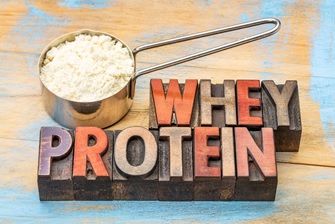
Drink a protein shake within 20 minutes of working out. You need to provide your muscles with protein after working out to help build them back up stronger.
Get 7 to 9 hours of sleep each night. Sleep is an essential time where your body recovers from your workouts. The CDC notes that adults need at least 7 hours of sleep per night for healthy recovery, so be sure to incorporate 1 to 2 rest days per week.
Find a gym where you are comfortable working out. Surrounding yourself with like-minded people makes training easier.
Work your way up to using free weights rather than machine weights. Free weights improve strength and balance more than exercise machines.
How often should you exercise to lose weight?
Most adults see results with about 150 minutes of moderate activity a week plus two strength sessions. The CDC recommends at least 150 minutes of moderate-intensity aerobic activity each week along with muscle-strengthening work on two or more days. Building toward 4 to 5 total weekly sessions, with adequate rest, gives your muscles room to recover and grow while supporting steady fat loss.
Frequently Asked Questions
Can you lose weight by lifting weights only?
You can, especially early on, because resistance training builds calorie-hungry muscle and improves body composition even when the scale moves slowly. Many people lose inches before they lose pounds. Adding some cardio and a sensible calorie deficit still tends to speed up fat loss and supports heart health.
Does cardio burn muscle?
Excessive cardio without enough protein or strength work can cause your body to use some muscle for fuel along with fat. Pairing cardio with regular resistance training and adequate protein protects your lean mass, so you lose fat rather than the muscle that keeps your metabolism high.
Should I do cardio before or after weights?
If building strength and muscle is your main goal, lift first while you are fresh, then finish with cardio. Doing intense cardio first can tire the muscles you need for heavy lifts. The order matters less than consistency, so choose the sequence you will actually stick with.
How does muscle increase metabolism?
Muscle is metabolically active tissue that requires energy just to maintain itself, so carrying more of it raises your resting metabolic rate. That means you burn more calories throughout the day, even while sleeping, which makes maintaining a lower body fat percentage easier over time.
Why am I not losing weight even though I exercise?
Plateaus often come from eating back the calories you burn, losing fat while gaining muscle, poor sleep, or an underlying metabolic or hormone issue. Tracking intake honestly, prioritizing recovery, and getting professional lab work can uncover what is holding your progress back.
Call ageRejuvenation today to learn more about how strength training can enhance your weight loss results. Individual results vary by patient. Ask your ageRejuvenation practitioner about your specific health concerns.
Ready to take the next step?
Talk with the AgeRejuvenation team about a Medical Weight Loss plan built around your labs and goals.