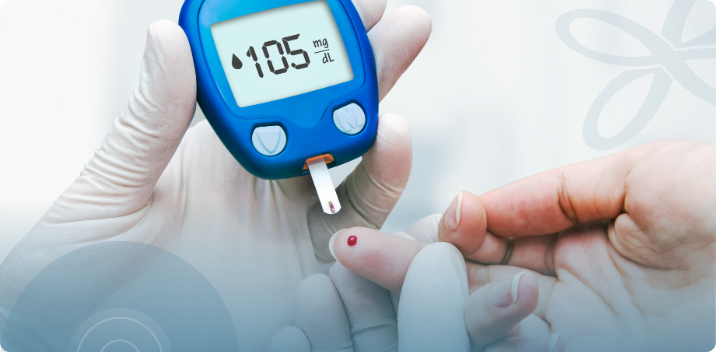
Tirzepatide is a dual GIP and GLP-1 receptor agonist that supports both blood sugar control and weight management by easing appetite, slowing digestion, and improving the body's insulin response after meals. It works best inside a medically supervised plan with monitoring and dose adjustment. AgeRejuvenation offers evaluation across five Central Florida locations.
If you have been working hard but your numbers and your weight keep drifting, diabetes and obesity management can start to feel like a moving target. For many high-functioning adults, the issue is not effort. It is physiology. Appetite signals get louder, blood sugar gets harder to control, and the body learns patterns that are difficult to override with willpower alone.
Tirzepatide has become part of the clinical conversation because it supports the gut-hormone pathways that influence both glucose patterns and weight regulation. In the right patient, it can lower the biological friction that makes appetite harder to manage and results less predictable, so day-to-day habits translate into steadier progress.
Why Do Blood Sugar and Weight Gain Often Rise Together?
Blood sugar and weight tend to climb together because they share the same machinery: gut hormones, insulin signaling, stress physiology, and sleep quality. When insulin stops working efficiently, the body stores energy more easily, burns it less, and sends stronger hunger signals at the same time.
This is where physiology starts to reinforce the pattern. Poor sleep can raise hunger hormones. A high-stress week can increase sympathetic nervous system tone, which can affect glucose regulation and recovery. Then appetite rises, movement drops, and the cycle repeats. When patients say, "I am doing the right things and still not seeing change," this is often the missing layer. For many people the underlying driver is a reduced response to insulin that quietly raises both glucose and stored fat, which is exactly the pattern a structured medical plan is designed to interrupt.
How Does Tirzepatide Work as a GIP/GLP-1 Receptor Agonist?
Tirzepatide is a dual GIP and GLP-1 receptor agonist, which means it acts on two gut-hormone pathways at once rather than one. According to Mayo Clinic, it is used alongside diet and exercise to help control blood sugar in type 2 diabetes and to support weight loss. That dual action is what sets it apart from older single-pathway options.
Dual Hormone Signaling and Appetite Regulation
GIP and GLP-1 are incretin hormones released by the gut in response to meals. They communicate with the pancreas, the brain, and the digestive tract. Cleveland Clinic notes that the medication helps lower blood sugar while reducing appetite and slowing digestion. In practical terms, this signaling can support:
Earlier satiety, so meals feel complete sooner.
More stable appetite between meals.
Less "food noise" that can derail an otherwise disciplined plan.
For many patients, the biggest shift is not just eating less. It is that eating feels more manageable. A medically supervised tirzepatide program pairs that signaling support with the monitoring needed to keep progress safe and steady.
Effects on Insulin Response and Post-Meal Glucose
A key role of incretin signaling is improving the body's insulin response after meals. Research summarized by the National Institutes of Health shows tirzepatide improved insulin secretion and insulin sensitivity in adults with type 2 diabetes. With the right fit and oversight, this can support more stable post-meal glucose patterns and reduce large swings that leave you tired, hungry, or reactive later in the day.
Because it acts on both incretin receptors, it may also influence gastric emptying and glucagon signaling, which further shapes post-meal physiology. GoodRx describes how it increases insulin release and slows the pace of digestion. The goal is steadier day-to-day control, not a short-lived bump in motivation.
Why This Matters for Long-Term Metabolic Stability
The best outcomes tend to come from matching therapy to the driver. If the main issue is insulin resistance with strong appetite signaling, this mechanism can be highly relevant. If the dominant driver is sleep disruption, thyroid dysfunction, low testosterone, or chronic stress load, the plan has to address those pieces too.
Medication can support progress, but it should sit inside a structured medical strategy with monitoring and adjustment.
What Does Diabetes and Obesity Management Look Like Beyond Medication?
Medication works best when it is paired with a plan your body can actually follow. That means focusing on behavior that supports signaling: protein intake that keeps appetite steady, strength training that improves insulin sensitivity, and sleep routines that reduce reactivity. Our doctor-supervised weight loss services are built to layer medical therapy on top of these everyday habits so the two reinforce each other.
In a functional medicine setting, we also look for friction points that block progress even when the plan is "right," such as:
Medications or supplements that affect appetite, glucose, or fatigue.
Meal timing issues linked to travel, shift work, or late meetings.
Alcohol patterns that raise nighttime glucose and disrupt sleep architecture.
Hidden under-recovery that keeps the body in a stressed, resistant state.
The goal is a plan that stays workable under real schedules, travel, stress, and uneven sleep.
How Much Weight Can You Lose With Tirzepatide?
Results vary by dose, starting weight, and how closely the plan is followed, so no single number applies to everyone. In a major clinical trial published in the New England Journal of Medicine, adults with obesity saw average weight reductions of roughly 19.5 percent and 20.9 percent on the higher doses. Real-world results inside a monitored program may differ, which is why measurable check-ins matter more than averages.
A Local, Medically Supervised Option for Central Florida Patients
AgeRejuvenation supports patients across five locations, which matters when follow-through is the difference between a plan that works and one that fades. If you are commuting from Hyde Park or Bayshore, the Tampa clinic at 220 N Howard Ave, Tampa, FL 33606 is easy to reach via S Howard Ave. For patients coming from Valrico, Riverview, or the I-75 corridor, the Brandon location at 1155 Nikki View Drive, Brandon, FL 33511, can fit into a busy schedule without turning care into a half-day project.
Wesley Chapel patients often come down Bruce B. Downs Blvd to 1940 Bruce B. Downs Blvd, Wesley Chapel, FL 33544, especially from New Tampa or Lutz. If you are based in Horizon West or near Hamlin, the Winter Garden office at 5730 Hamlin Groves Tr #176, Winter Garden, FL 34787 can be a practical option.
For those near downtown Orlando or along the South Orange Avenue medical corridor, the Orlando clinic at 1523 S Orange Ave, Orlando, FL 32806 is straightforward to access.
What Does a Smart Evaluation Look Like Before Starting?
A good plan starts with context, not assumptions. The evaluation is designed to confirm whether tirzepatide fits your physiology and your risk profile and to set a follow-up cadence you can maintain.
Common elements include:
Symptom timeline: appetite patterns, fatigue, cravings, and sleep quality.
Vital signs and body composition trends.
Lab review when appropriate, including markers tied to glucose control and cardiometabolic risk.
Medication review to reduce avoidable interactions or side effects.
A monitoring plan for tolerability and measurable response.
This is also where expectations get clear. Gastrointestinal side effects can happen, especially during dose changes. If you use insulin or certain diabetes medications, hypoglycemia risk may require dose adjustments. A clinician will also screen for contraindications and red flags. MedlinePlus advises telling your doctor if you or a family member has had thyroid cancer or Multiple Endocrine Neoplasia syndrome type 2, since these are important safety considerations.
Because tirzepatide acts on both incretin receptors, dosing strategy and follow-up matter. The goal is sustainable progress with guardrails, not aggressive escalation.

Frequently Asked Questions
Do diabetics lose weight on tirzepatide?
Many do. The medication was first studied for type 2 diabetes, and trials show it can lower blood sugar while also reducing body weight. Because it eases appetite and slows digestion, people with diabetes often lose weight when it is paired with diet, activity, and clinical monitoring.
How long does it take to see results on tirzepatide?
Appetite and food-noise changes can show up within the first few weeks, often during the early dose-escalation phase. Weight and blood sugar shifts usually build gradually over several months as the dose is adjusted. Steady, monitored progress is the goal rather than a fast early drop.
Is tirzepatide the same as semaglutide?
No. Semaglutide acts on the GLP-1 pathway, while tirzepatide acts on both GIP and GLP-1 receptors. That dual action is the main difference. The right choice depends on your goals, your medical history, and how your body responds, which is why a clinical evaluation is important.
What are the most common side effects?
The most common side effects are gastrointestinal, including nausea, diarrhea, vomiting, and constipation. They tend to appear during dose increases and often ease as the body adjusts. A gradual dosing schedule and close follow-up help keep these side effects manageable.
Who should not take tirzepatide?
People with a personal or family history of medullary thyroid cancer or Multiple Endocrine Neoplasia syndrome type 2 should not use it. It is also not appropriate during pregnancy. A clinician screens for these and other risk factors before recommending it.
Conclusion
The most effective plans are the ones that respect how the body is actually responding. Tirzepatide can be a strong fit when appetite signaling and insulin resistance are central drivers, especially when care is personalized and monitored. For many patients, diabetes and obesity management becomes more achievable when the plan is built around data, consistency, and realistic follow-through.
If you want a medically guided next step that connects symptoms to measurable drivers, it may be time to schedule an appointment and start a clinical conversation built for your body and your day-to-day demands.
Ready to take the next step?
Talk with the AgeRejuvenation team about a Tirzepatide Weight Loss plan built around your labs and goals.