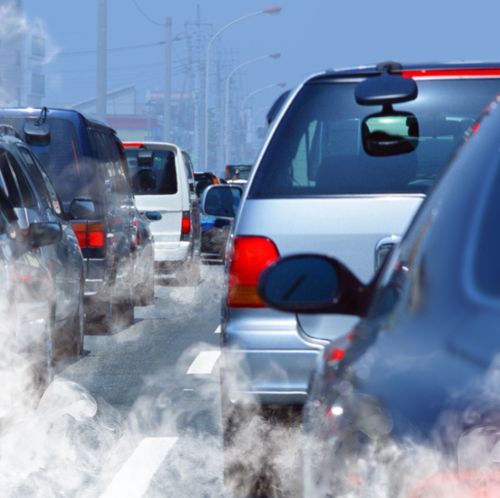
A study at Ohio State University linked city-level air pollution to increased belly and visceral fat in mice, along with insulin resistance and higher blood sugar. Inhaled particles trigger inflammation, and some pollutants mimic hormones that disrupt metabolism. Because these fat-soluble toxins accumulate in fat cells, environmental toxin screening and lab testing can help reveal exposure and guide a focused plan.
The air you breathe may be doing more than irritating your lungs. A growing body of research connects everyday air pollution to extra belly fat, the kind that wraps around your organs and quietly raises your health risks. Understanding how this happens can help you make smarter choices about your environment, your habits, and the support your body needs.
Does air pollution really cause belly fat?
Yes, research increasingly points to a real connection between dirty air and abdominal fat. A study performed at Ohio State University showed a correlation between air pollution and increased abdominal fat. Mice exposed to air pollution similar to that of big cities showed visible gains in body fat, both abdominal and visceral, around the organs, in only 10 weeks time.
Those same animals also exhibited higher incidences of insulin resistance and higher blood sugar levels, the first steps toward Type II Diabetes. This pattern is not limited to one lab. A 2024 review of human and animal data found that air pollution may add to the obesity epidemic by driving up oxidative stress and inflammation inside fat tissue, which can change how the body stores energy.
What is visceral fat and why does it matter?
Visceral fat is the deep belly fat stored around internal organs like the liver and intestines, and it behaves very differently from the soft fat just under your skin. Because it sits so close to vital organs, it is metabolically active and harder to ignore.
Unlike surface fat, visceral fat releases hormones and inflammatory signals that can raise the risk of heart disease and metabolic problems. That is why a study showing pollution-driven gains in visceral fat is more concerning than a simple uptick on the scale. The fat is not just sitting there. It is actively influencing your health.
How pollution turns into fat and inflammation
This occurred as a result of the toxins and tiny particulate matter being inhaled and irritating the lungs. This results in an immune response sending our bodies into overdrive. This also increases the inflammation level exponentially.
These two factors combined result in higher levels of obesity, sickness, hormonal imbalance, and hypertension. Pollution and the resulting health risks that are associated with it increase exponentially as pollution concentration increases, putting those living in cities with higher population density at maximum risk.
Tiny airborne particles, often labeled PM2.5, are small enough to slip deep into the lungs and even cross into the bloodstream. Public health agencies note that fine particle pollution drives systemic inflammation and metabolic stress that ripple far beyond the respiratory system. Once that low grade fire is burning, the body becomes less efficient at managing blood sugar and fat.
Can air pollution affect your hormones?
Yes, certain pollutants act like fake hormones once they enter the body. This is then compounded if you or someone around you is a smoker. Second hand smoke has no filter so the risks, for children especially, increase even more.
When "environmental hormones" are inhaled through air pollution, they actually mimic the effects of the body's natural hormones so any system in the body that is controlled by hormones can be derailed. When we become unbalanced, it can disrupt a number of important biological processes. These compounds are also fat-soluble, so it is likely that they are accumulating from the environment in not only our own fat cells, but the fatty cells of the animals we eat, too.
The blood sugar and insulin connection
The pollution-fat link is closely tied to how your body handles sugar. The Ohio State mice did not just gain fat. They also showed higher blood sugar and reduced sensitivity to insulin. Over time, that combination can tip into a cycle where the body struggles to clear glucose from the blood.
When cells stop responding well to insulin, blood sugar climbs and the body stores more fat, which can make the problem worse. The Cleveland Clinic explains that insulin resistance often develops quietly and is strongly linked to extra belly fat. If you are concerned about how environmental exposure may be affecting your metabolism, exploring the warning signs of insulin resistance is a sensible first step.
What can you do about it?
You cannot always control the air outside, but you can support the systems pollution puts under strain. This is yet another example of how the more we deviate from our natural world, the greater the impact on our health.
To address these issues we provide extensive hormone testing, detoxification programs designed to help rid fat cells of these dangerous toxins, and provide a plan to reach optimal hormone levels and an increased quality of life. A targeted panel that measures your environmental toxin burden can reveal what your body has absorbed and where to focus. Pairing those results with the broader diagnostic lab testing options at our clinic gives a clearer map of your hormone levels, inflammation, and metabolic health, so any plan is built on real data rather than guesswork. For people living in higher pollution areas, screening for accumulated environmental compounds can be an especially useful baseline.
Frequently Asked Questions
How does air pollution lead to belly fat?
Inhaled particulate matter irritates the lungs and triggers an immune response that raises body wide inflammation. In animal studies, this was paired with insulin resistance and higher blood sugar, conditions that encourage the body to store more abdominal and visceral fat over time.
Is visceral fat more dangerous than regular belly fat?
Visceral fat sits deep around the organs and is far more metabolically active than the soft fat under the skin. It releases hormones and inflammatory signals tied to heart disease and metabolic problems, which makes pollution-driven gains in visceral fat especially worth taking seriously.
Can air pollution disrupt my hormones?
Some pollutants behave like environmental hormones, mimicking the body's natural ones once inhaled. Because any system regulated by hormones can be thrown off, this disruption may affect metabolism, blood sugar, and fat storage. Many of these compounds are also fat-soluble, so they can accumulate in fat cells.
Does air pollution affect blood sugar and insulin?
Research in animals exposed to city-level pollution found higher blood sugar and reduced insulin sensitivity, which are early steps toward type II diabetes. When cells respond poorly to insulin, blood sugar rises and the body tends to store more fat, reinforcing the cycle.
How can I find out if toxins are affecting my body?
Testing is the most direct way to know. Environmental toxin screening measures the burden your body has absorbed, while broader lab work can check hormone levels, inflammation, and metabolic markers. Together these results help build a focused plan rather than relying on guesswork.
Ready to take the next step?
Talk with the AgeRejuvenation team about a Environmental Toxin Screening plan built around your labs and goals.