Doing everything right but the scale still climbs? The culprit is usually water, not fat. Salt, carbohydrates, dehydration, intense workouts, stress, and hormonal cycles all make your body hold fluid, swinging weight by several pounds in a day. Learn the common triggers, how to separate water weight from real fat gain, and when sudden swelling needs a doctor.
Very often we may be doing all of the right things and still wondering why we are seeing the number on the scale climb from one week to the next. The culprit is rarely fat. More often, something we see as our best friend is the real cause: water. Understanding water retention is one of the most overlooked keys to staying motivated on any structured weight loss plan, and it explains why the scale can lie even when your habits are perfect.
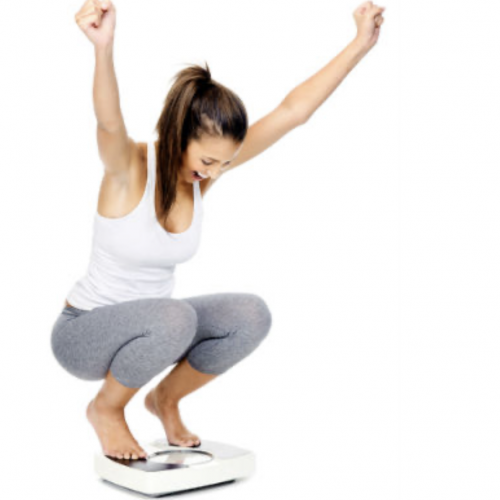
Why does the scale go up when I am eating well?
When you eat well and the scale still rises, the extra weight is usually retained fluid, not new body fat. The body holds water in response to salt, carbohydrates, stress hormones, and even dehydration. These shifts can swing your weight by several pounds in a single day, which is why a daily weigh-in can be so misleading.
Fat loss is slow and steady, while water weight moves fast in both directions. A jump of two or three pounds overnight is almost always fluid, because creating that much true fat would require eating thousands of extra calories. This is the single most important idea to remember when results feel stalled: the scale measures everything in your body, not just the part you are trying to change. If you are following a supervised doctor-led weight loss program, your provider can help you separate temporary fluid swings from genuine progress.
What are the most common causes of water retention?
The most common causes of water retention are excess sodium, a sudden rise in carbohydrates, dehydration, intense exercise, stress hormones, and normal hormonal cycles. Each one tells the body to hold onto fluid for a short time. Below are the everyday triggers worth knowing.
Dehydration
It may seem counterintuitive, but when you do not give your body enough water, fluid retention can actually increase. The body senses that water is scarce and works hard to keep the little it is getting as a protective mechanism, because it does not know when more is coming. By drinking enough water consistently, the body realizes water is not scarce and allows the stored fluid to be released again. Adequate hydration is a cornerstone of any sustainable approach within a weight loss program.
Salty foods
Sodium is needed to balance the water inside your cells, support nerve signaling, and allow proper muscle function. Too much salt, however, pulls extra water into the body. Excess sodium disrupts the body's normal sodium-to-water balance, so it retains additional fluid to compensate, according to guidance from Medical News Today on losing water weight. The American Heart Association recommends most adults aim for no more than 2,300 mg of sodium per day, and ideally closer to 1,500 mg, as outlined in its daily sodium recommendations. Because a single teaspoon of salt contains roughly 2,300 mg of sodium, it is easy to exceed your needs. Reading labels carefully and drinking more water can help balance sodium levels and flush out the extra fluid.
Vigorous exercise
When you work out intensely, your muscles retain water to help repair and nourish the cells you just worked. You may have felt this after heavy squats or a hard leg session, when your legs felt fuller the next day. Strenuous training causes tiny micro-tears in the muscle, and the resulting inflammation draws in fluid to support healing, a temporary effect described by Houston Methodist's overview of water weight. Staying well hydrated and eating enough potassium helps balance the water and electrolytes in and around your cells. Great sources of potassium include spinach, bananas, yogurt, coconut water, and sweet potatoes.
Stress and hormones
When you are constantly stressed, the hormone cortisol stays elevated and the body begins to hold onto water as it braces for fight-or-flight mode. Managing stress and supporting your adrenal system may help reduce this retention. Hormones also shift across the menstrual cycle, and rising estrogen in the days before a period can bring noticeable fluid retention, a normal pattern noted by Mayo Clinic's review of swelling and fluid buildup. Limiting sodium, sugar, and caffeine during this window can help, and a magnesium supplement may support healthy fluid balance for some people. Ongoing or unexplained swelling deserves a medical evaluation, since it can occasionally signal heart, liver, or kidney issues.
Carbohydrate consumption
When you are following a plan and decide to have a cheat meal, it will show up on the scale almost immediately. The body needs roughly 3 to 4 grams of water to store every gram of carbohydrate as glycogen, a relationship confirmed by Cleveland Clinic's explanation of fluid retention. To put that in perspective, a dinner with a cup of pasta, a breadstick, a couple glasses of wine, and a slice of cake could easily add more than a pound of water weight. Since many restaurants serve three to four cups of pasta in a single entree, the stored fluid from a larger meal could climb to several pounds. The good news is that this is glycogen-related water, not fat, and it leaves as quickly as it arrived once you return to your routine.
How can I tell water weight from real fat gain?
You can usually tell water weight from fat by how fast it appears and disappears. Rapid swings of two to five pounds over a day or two are almost always fluid, while true fat gain accumulates slowly over weeks. Sudden spikes that follow a salty meal, a hard workout, or your monthly cycle are classic signs of retained water.
The smartest move is to stop trusting a single number. Weigh yourself at the same time each day under the same conditions, then track the weekly average rather than the daily reading. Photos, how your clothes fit, body measurements, and energy levels often reveal progress the scale hides. People navigating frustrating plateaus tied to stubborn weight gain frequently discover that fluid, not fat, was masking real results all along.
How long does water weight last?
Most temporary water weight resolves within one to three days once the trigger is removed. Sodium-related retention clears as you hydrate and your kidneys balance fluid, and carbohydrate-related fluid drops as glycogen stores normalize. Hormonal retention tends to follow your cycle and eases on its own.
If swelling lingers for more than a week, appears in only one limb, or comes with shortness of breath or chest discomfort, treat it as a medical issue rather than a diet concern and see a clinician promptly.
Frequently Asked Questions
Can drinking more water actually reduce water retention?
Yes. When you stay consistently hydrated, your body stops conserving fluid as a survival measure and releases what it had been storing. Drinking enough water also helps your kidneys flush excess sodium, which is one of the biggest drivers of retention.
Why did I gain several pounds overnight?
An overnight jump of two or three pounds is almost certainly fluid, not fat. Building that much true fat would take thousands of extra calories. A salty dinner, a carb-heavy meal, a hard workout, or hormonal changes can each add temporary water weight that clears within a day or two.
Does sodium cause permanent weight gain?
No. Sodium causes temporary fluid retention, not lasting fat gain. When you eat too much salt, your body holds extra water to keep its sodium-to-water balance steady. Once you reduce sodium and hydrate well, that retained water leaves and the scale settles back down.
Should I weigh myself every day?
Daily weigh-ins are fine only if you focus on the weekly trend rather than any single reading. Because water shifts can swing the scale by several pounds day to day, the weekly average is far more honest about whether you are truly losing fat.
When should water retention be checked by a doctor?
See a clinician if swelling is sudden and severe, affects only one leg, persists for more than a week, or comes with shortness of breath, chest pain, or an irregular heartbeat. These can signal underlying heart, kidney, or liver concerns that need prompt care.
Ready to take the next step?
Talk with the AgeRejuvenation team about a Medical Weight Loss plan built around your labs and goals.