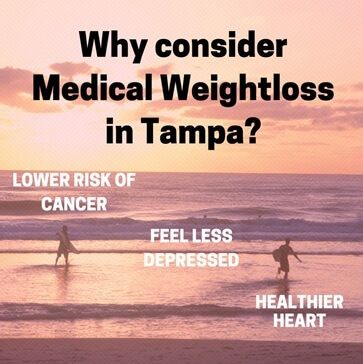
Even a modest drop in weight, just 5 to 10 percent of your starting body weight, can lower your risk of cancer, heart disease, and diabetes while lifting your mood and saving money. The biggest hurdle is knowing where to start. A medically supervised Tampa program pairs nutrition, coaching, and proven medications to turn intentions into steady, lasting results.
Carrying extra weight is common, especially with fast food on nearly every Tampa corner. The good news is that even a modest drop in pounds can change how you feel and protect your long term health. Below we walk through the most compelling reasons to consider weight loss, what the research actually shows, and how a supervised program turns good intentions into steady results.
Why should you consider losing weight?
Losing even a small amount of weight can lower your risk of serious disease, ease daily aches, and lift your mood. Research shows that dropping just 5 to 10 percent of your starting body weight can improve blood sugar, blood pressure, and cholesterol, according to the National Institute of Diabetes and Digestive and Kidney Diseases. You do not have to reach an ideal number to start feeling better.
The reasons people choose to lose weight are personal. Some want more energy to keep up with their kids. Others want to come off a medication or simply move without pain. Whatever your reason, a structured plan makes the goal feel reachable instead of overwhelming. A medically guided approach takes the guesswork out of where to begin, which is one of the biggest hurdles people face.
Does losing weight lower your cancer risk?
Yes. Excess body fat is linked to a higher risk of several cancers, and reducing it can lower that risk over time. Being overweight or obese is connected to at least 13 types of cancer, including breast and endometrial cancer, as outlined by the National Cancer Institute.
Part of the reason involves hormones. Fat tissue produces extra estrogen, and higher estrogen levels are tied to breast and uterine cancers in particular. Excess fat also raises levels of insulin and growth factors that can encourage cells to divide more often. Shedding pounds helps bring these signals back toward a healthier balance, which is one of the most powerful long term reasons to consider weight loss in the Tampa area.
Can weight loss improve your mood?
Many people notice a real lift in mood as they lose weight, though the link between weight and emotions runs in both directions. Some feel discouraged by extra pounds, and that frustration can deepen when change feels out of reach. A clear, supported plan often breaks that cycle.
Fear of getting hurt or simply not knowing where to start keeps a lot of people from beginning at all. That is where guidance matters. Working with a clinician and following a physician supervised medical weight loss program gives you a safe starting point and a path you can actually stay on. Steady progress tends to build confidence, and confidence makes the next healthy choice easier.
It also helps to understand that stubborn pounds are not always about willpower. Hormone shifts, slowed metabolism, and other factors can drive ongoing unexplained weight gain, and addressing those root causes is part of a smart plan.
How does extra weight affect your heart?
The more weight you carry, the harder your heart has to work to pump blood through your body. Over time that strain raises the risk of high blood pressure, high cholesterol, type 2 diabetes, and heart disease. Losing weight reduces that workload and can improve these numbers measurably.
Weight loss is one of the most effective steps you can take for cardiovascular health, and the American Heart Association notes that even modest loss can meaningfully lower blood pressure and improve cholesterol. Beyond the heart itself, Memorial Hermann points out that losing weight can sharply cut the risk of conditions like diabetes while supporting better internal health overall. Your provider can help you build an eating and movement routine that fits your life so these gains stick.
Can losing weight save you money?
Yes, weight loss can ease your budget in several ways. If you manage health problems tied to excess weight, some of those costs may shrink as your health improves. You may also spend less on certain prescriptions over time as your numbers move in the right direction.
There are everyday savings too. As portions and cravings settle, many people spend less on food and have more room in the budget for nutritious staples like vegetables, fruit, and lean protein. The bigger payoff is fewer sick days and a lower chance of expensive medical events down the road.
How a supervised program makes the difference
Trying to lose weight alone often leads to crash diets, plateaus, and frustration. A medically supervised approach is different because it is built around you. Your provider reviews your history, lab work, and goals, then matches the right tools to your body. Many modern programs combine nutrition coaching, activity guidance, and clinically proven medications.
Prescription weight management medications, especially the GLP-1 class, can help patients lose roughly 10 to 20 percent of their body weight when paired with lifestyle changes, and Cleveland Clinic reports they often lower blood pressure, cholesterol, and blood sugar at the same time. Newer research, summarized by Harvard Health, shows these medications can powerfully improve metabolic health beyond the scale.
Exploring a full menu of medically guided weight loss and metabolic health services lets you and your provider choose the safest, most effective path for your situation. The point is not a quick fix. It is lasting change supported by professionals who track your progress and adjust along the way.
Frequently Asked Questions
How much weight do I need to lose to see health benefits?
You do not need a dramatic transformation to benefit. Losing just 5 to 10 percent of your starting body weight can improve blood sugar, blood pressure, and cholesterol. For someone who weighs 200 pounds, that is only 10 to 20 pounds, and the health gains often appear well before you reach a goal weight.
Is medical weight loss safe?
When managed by a qualified provider, medical weight loss is designed with safety as the priority. Your clinician reviews your medical history and labs before recommending any plan, monitors your progress, and adjusts the approach if needed. This supervision is what separates a medical program from unregulated diet products and fad plans.
Why is it so hard to lose weight on my own?
Stubborn weight is rarely about willpower alone. Hormone changes, a slowed metabolism, sleep problems, and certain medications can all make weight loss harder. A supervised program identifies these underlying factors and addresses them directly, which is why many people succeed with guidance after struggling on their own.
What is included in a medical weight loss program?
A typical program blends several tools tailored to you. That can include a personalized nutrition plan, activity coaching, regular check ins, body composition tracking, and, when appropriate, clinically proven medications. Your provider combines these elements based on your goals, your health, and how your body responds over time.
Can weight loss reduce my need for other medications?
For many people, yes. As weight comes down, conditions like high blood pressure, high cholesterol, and type 2 diabetes often improve. Some patients are able to reduce or simplify certain medications under their doctor's supervision. Never change a prescription on your own, but do share your weight loss goals with your provider so they can adjust your care.
Ready to take the next step?
Talk with the AgeRejuvenation team about a Medical Weight Loss plan built around your labs and goals.