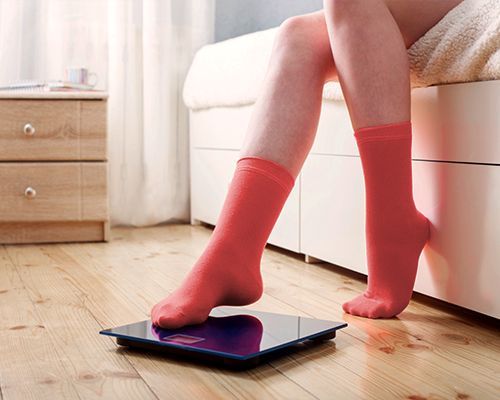
Skimping on sleep tips your hormones the wrong way: ghrelin rises to spark hunger while leptin drops, so appetite climbs. Poor sleep also raises cortisol, lowers insulin sensitivity, and drains energy, which together promote fat storage and stall weight loss. Aiming for seven to nine consistent hours, and testing underlying hormonal drivers, helps your diet and exercise finally pay off.
Do you eat a healthy diet, take recommended supplements, and exercise, but still struggle with weight gain? If you have been frustrated by this scenario, take a closer look at how much you sleep. Lack of sleep may be keeping your hormones out of balance and quietly working against your metabolism, making the scale resist every effort you make.
Does lack of sleep really cause weight gain?
Yes. Short sleep is strongly linked to weight gain because it shifts the hormones that control hunger and fullness, raises stress hormones, and lowers your energy for daily movement. A research review published by the National Institutes of Health on sleep and weight notes that restricting sleep for just a few days can lead to short-term weight gain. Over time, those small nightly losses of rest add up to a real metabolic problem.
This matters because sleep is not a passive state. While you rest, your body is busy regulating appetite signals, repairing tissue, and balancing the hormones that decide whether you store fat or burn it. When sleep is cut short, that overnight reset never fully happens.
How do leptin and ghrelin affect appetite?
Leptin and ghrelin are two hormones you rarely hear about, yet they each play a critical role in the relationship between sleep and your body. Leptin signals fullness and tells your brain you have eaten enough. Ghrelin does the opposite and stimulates hunger. With the appropriate amount of sleep, these two hormones keep each other in balance.
Sleep disruption can cause fluctuations that result in appetite and metabolism changes. Without enough sleep, ghrelin levels rise and stimulate appetite. Meanwhile, leptin levels drop, also increasing your appetite. Experts at Harvard Health on sleep and appetite hormones explain that insufficient sleep is associated with higher ghrelin and lower leptin, a combination that quietly pushes you toward eating more than your body needs.
A regular sleep schedule of six to eight hours per night promotes the healthy production of leptin and limits the production of ghrelin, contributing to satiety and helping regulate your metabolism. In short, good sleep makes appetite control easier, while poor sleep makes it an uphill battle.
Why does poor sleep make you crave junk food?
When you are tired, your brain leans on quick energy. Fatigue drives cravings for sugary, salty, and calorie-dense foods, and being awake longer simply gives you more hours to eat. The result is more calories taken in at exactly the time your body is least prepared to manage them.
Tiredness also weakens self-control. Decision-making and impulse regulation depend on a well-rested brain, so a sleep-deprived mind finds it harder to say no to a second helping or a late-night snack. The Sleep Foundation overview of obesity and sleep describes how this pattern, repeated night after night, helps explain why short sleepers tend to weigh more than people who rest well.
How does sleep loss slow your metabolism?
Sleep loss does not only change what you eat. It also changes how your body processes food. Short sleep is linked to reduced insulin sensitivity, which makes it harder for your cells to use blood sugar efficiently and easier for your body to store fat.
Lack of sleep also raises cortisol, the main stress hormone. Elevated cortisol encourages the body to hold on to fat, especially around the abdomen, and can increase appetite at the same time. According to Yale Medicine on sleep, diabetes, and obesity, people who are more sleep-deprived tend to gain weight for these physiologic reasons, and the same pathways raise the risk of metabolic disease. Add lower daytime energy and reduced motivation to move, and the calorie equation tilts further toward storage. If you suspect a deeper metabolic issue is at play, a structured physician-guided medical weight loss program can test for and address the hormonal drivers that diet alone cannot fix.
What if you cannot sleep no matter what?
There can be real roadblocks to achieving adequate sleep. An estimated 50 to 70 million adults in the U.S. have a sleep or wakefulness disorder. For those suffering from insomnia, difficulty falling asleep, or difficulty staying asleep, adrenal dysfunction and neurotransmitter imbalances may contribute to, or even cause, weight gain.
This is where addressing the root cause matters. Persistent, unexplained stubborn weight gain that resists diet and exercise is often a signal that something underneath needs attention, whether that is a hormone imbalance, blood sugar dysregulation, or chronic sleep loss. The healthy-sleep targets recommended by the CDC sleep guidance for adults are a strong starting point, but they are not always enough on their own when an underlying disorder is present.
ageRejuvenation can help you identify any sleep disruption that you may be experiencing and create a plan to help you get a good night's rest. Our broader range of medically supervised weight loss services is designed to address the hormonal and metabolic factors that sleep loss sets in motion, so your efforts in the kitchen and the gym finally translate into results.
How to protect your sleep and your weight
Small, consistent habits give your hormones the steady rhythm they need. Try to keep a regular bedtime and wake time, even on weekends, so your internal clock stays aligned. Limit caffeine in the afternoon, dim screens in the hour before bed, and keep your bedroom cool and dark.
Daytime choices matter too. Regular movement, balanced meals, and managing stress all make it easier to fall and stay asleep, which in turn supports the leptin and ghrelin balance that keeps appetite in check. When better habits are not enough, professional testing can reveal whether hormones, nutrients, or stress chemistry are standing in your way.
Frequently Asked Questions
How much weight can you gain from lack of sleep?
There is no fixed number, because weight change depends on diet, activity, genetics, and how long poor sleep continues. Research shows that even a few days of restricted sleep can cause short-term weight gain, and chronic short sleep is linked to a higher long-term risk of becoming overweight or obese.
Can lack of sleep cause belly fat specifically?
Yes. Poor sleep raises cortisol, a stress hormone that encourages the body to store fat in the abdominal area. Combined with higher hunger hormones and reduced insulin sensitivity, this is why people who sleep poorly often notice more weight settling around the midsection.
How many hours of sleep do I need to support a healthy weight?
Most adults do best with seven to nine hours of quality sleep per night, while a steady schedule of six to eight hours can still support healthy leptin production. Consistency matters as much as total hours, so aim for the same bedtime and wake time each day.
Why am I gaining weight even though I diet and exercise?
When weight resists a good diet and regular exercise, the cause is often hormonal or metabolic rather than a willpower problem. Chronic sleep loss, thyroid issues, insulin resistance, and cortisol imbalance can all stall progress, which is why testing the underlying drivers is so valuable.
Will fixing my sleep alone help me lose weight?
Better sleep often helps by restoring appetite hormones and energy, but it is not always enough on its own. If an underlying disorder, hormone imbalance, or metabolic issue is present, a medical evaluation can identify it so sleep improvements and a structured plan can work together.
Individual results vary by patient. Ask your ageRejuvenation practitioner about your specific health concerns.
Ready to take the next step?
Talk with the AgeRejuvenation team about a Medical Weight Loss plan built around your labs and goals.