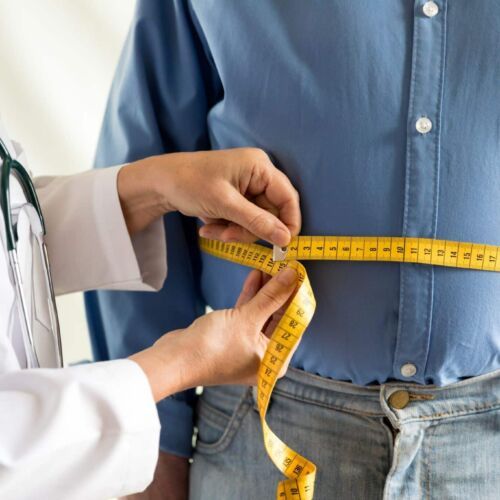
A pound of muscle and a pound of fat weigh the same, but muscle is far denser and takes up less space. That is why the scale can stall while your body slims down. Track body composition, not just weight: build muscle with resistance training, add cardio, and eat a balanced diet to shift your fat-to-muscle ratio.
What is going on if a person is working out and eating well, but not seeing a change on the scale? If those two habits are consistent, rest assured there are changes happening in the body, amazing changes that the number on the scale sometimes does not reflect. The secret is understanding the difference between muscle and fat, and why building muscle is the win you actually want.
Does muscle really weigh more than fat?
A pound of muscle and a pound of fat weigh exactly the same, just like a pound of feathers and a pound of bricks. The real difference is density. Muscle is a much denser, more compact tissue, while fat is lighter and takes up more space, so the phrase "muscle weighs more than fat" is a popular myth that confuses density with weight, as the Cleveland Clinic explains in its breakdown of muscle versus fat weight.
Two facts everyone starting a resistance training program needs to know are:
A pound of muscle and a pound of fat weigh the same.
Fat takes up far more space than muscle.
For example, if you place 5 pounds of muscle and 5 pounds of fat on a scale, they weigh the same. However, the 5 pounds of fat takes up roughly three times the space of the muscle. This means you could be transforming your body, seeing changes in the mirror, and dropping waist sizes, yet still not see the number on the scale move. Although the two tissues weigh the same per pound, they look very different on your frame and affect your health in different ways, a point Healthline makes when comparing the look and health effects of muscle and fat.
Why does the scale stay the same when I look thinner?
When you build muscle while losing fat, you can swap a fluffy, space-hogging tissue for a lean, compact one. Your weight may hold steady even as your waistline shrinks, because you are trading volume for density. That is why progress shows up in the mirror and in how your clothes fit before it shows up on the scale.
It helps to picture it. Five pounds of fat is roughly the size of a small throw pillow, while five pounds of muscle is closer to the size of a softball. Same weight, very different footprint on your body. So if you have been training for a few weeks and the scale will not budge, that flat number can actually be a sign your plan is working. You may even see a small bump on the scale early on as your muscles hold a little extra water to repair and grow, which is a normal and temporary part of getting stronger.
This is exactly why we encourage people to stop letting one number rule the day. If you are frustrated by stubborn or shifting weight, working with a clinical team through a structured physician-guided medical weight loss program can help you focus on the metrics that actually matter instead of chasing a single digit.
What is body composition and why does it matter?
Body composition is the body's ratio of fat to muscle. It is a far better measure of health and progress than total body weight alone. One person could stay the exact same weight over several months while their body fat percentage drops and their muscle mass rises. Federal health experts agree that body fat, not just the scale, is central to weight management, which is why the National Institute of Diabetes and Digestive and Kidney Diseases frames healthy weight around body fat and overall health rather than a single goal weight.
Body fat percentage is the true measure of health, not the weight scale. When we run a weekly comprehensive body composition analysis on our clients, the ratio of fat to muscle is what we care about most. For anyone struggling with stubborn or creeping pounds, understanding the root drivers of unexplained weight gain matters far more than obsessing over a single reading.
How does building muscle boost your metabolism?
Muscle is metabolically active tissue, which means your body burns more energy to maintain it. As you add muscle, your resting metabolism climbs, and your body burns more calories every single day, even at rest. Over time, muscle gains will slow, but with that extra muscle your metabolism keeps burning more, resulting in more fat being used for energy, provided you are eating good foods and the right amount of calories.
This metabolic edge is real but not magic. Mayo Clinic notes that while muscle does increase the calories you burn, lasting fat loss still comes down to a consistent calorie deficit paired with regular activity, as covered in the Mayo Clinic guide to metabolism and weight loss. In other words, building muscle stacks the deck in your favor, but smart nutrition still does the heavy lifting.
There is also a long game here. Muscle naturally declines with age, which tends to slow metabolism and make fat easier to store as the years pass. By treating muscle as something to protect and build, not just a side effect of exercise, you help keep your metabolism humming and your body more resilient over time. That is part of why we focus on muscle quality and not just pounds lost.
What is the best way to improve body composition?
The best way to improve body composition is a consistent resistance training routine, regular aerobic exercise, and a balanced diet. National guidelines back this up: the Centers for Disease Control and Prevention recommend that adults pair weekly aerobic activity with muscle-strengthening work on two or more days per week. That combination is what shifts the fat-to-muscle ratio in your favor.
If you want a faster, more guided path, our broader range of medically supervised weight loss services brings together body composition tracking, nutrition support, and clinical oversight so you are not guessing your way through it. Imagine swapping 5 pounds of fat on your body for 5 pounds of muscle. Same weight on the scale, a completely different body.
Frequently Asked Questions
Why do I look thinner but weigh the same?
You are likely losing fat and gaining muscle at the same time. Because muscle is denser and takes up less space than fat, your body slims down and your clothes fit looser even when the scale barely moves. The visual change shows up well before the number does.
Should I stop weighing myself entirely?
Not necessarily, but the scale should be one small data point, not the whole story. Progress photos, how your clothes fit, waist measurements, and a body composition analysis give a much clearer picture of real change than weight alone.
How long does it take to see body composition changes?
Most people notice differences in how clothes fit within a few weeks of consistent resistance training, balanced eating, and regular activity. Visible muscle definition and meaningful shifts in body fat percentage usually take a couple of months of steady effort.
Does more muscle really help me burn more fat?
Yes, to a degree. Muscle is metabolically active, so carrying more of it raises your resting calorie burn. That extra demand helps your body tap into fat for energy, but you still need balanced nutrition and an overall calorie deficit to keep losing fat.
Do I need cardio or just weights to change my body composition?
Both work best together. Resistance training builds and preserves muscle, while aerobic exercise supports fat loss and heart health. Pairing the two, along with a balanced diet, is the most reliable way to improve your fat-to-muscle ratio.
Ready to take the next step?
Talk with the AgeRejuvenation team about a Medical Weight Loss plan built around your labs and goals.