Eating fish two to three times a week supplies omega-3 fatty acids, lean protein, and minerals that support heart health, brain function, and healthy weight. For most adults the benefits outweigh mercury risk when you choose low-mercury, sustainable species. Smart swaps like Arctic Char and Pacific Halibut make seafood easy, nutritious, and great tasting.
Incorporating fish into your diet two to three times a week can be very effective at improving your health and can prevent the development of chronic diseases. It is well established that fish provides us with healthy fats (specifically Omega-3's) and essential vitamins and minerals that promote health and optimal functioning of essential body functions. This guide walks you through why fish matters, how to handle mercury concerns, and which smart swaps make seafood easy and great tasting.
Why is eating fish good for your health?
Eating fish two to three times a week supplies omega-3 fatty acids, lean protein, and minerals that few other foods deliver together. The American Heart Association advises eating fish, especially fatty fish, at least twice a week because the practice is tied to a lower risk of heart problems.
Omega-3 fats are a type of healthy unsaturated fat. According to the Mayo Clinic guidance on omega-3 in fish, these fats may ease inflammation in the body, gently lower blood pressure, and reduce triglyceride levels in the blood. Damaged blood vessels are a path toward heart disease and stroke, so calming that inflammation matters. The American Heart Association also reports that regularly eating fish and seafood is consistently linked with a lower risk of cardiovascular disease.
Fish does more than protect the heart. As the Cleveland Clinic explains, omega-3s support healthy fats in the blood and play a role in brain and eye function. All of this makes a simple plate of fish one of the easiest upgrades you can make to a daily routine, and a registered dietitian can help you fit it into a plan you will actually follow through our in-person nutritional counseling for healthy eating habits.
What nutrients do you get from fish?
Fish packs protein, omega-3 fatty acids, selenium, potassium, iodine, and vitamins such as B6, B12, and D into a low-calorie package. These nutrients support heart health, protein metabolism, and proper nervous and immune system function.
The two omega-3s that matter most from seafood are DHA and EPA. The National Institutes of Health Office of Dietary Supplements notes that long-chain omega-3s like these are found mainly in fish and seafood, and that they help lower triglyceride levels. Plant sources such as flaxseed and walnuts offer a different omega-3 (ALA) that the body converts to EPA and DHA only in small amounts, which is why fish remains the best dietary source.
Because fish delivers so much nutrition for so few calories, it fits well inside almost any eating plan, including ones built around our broader wellness center programs for long-term health.
Is it safe to eat fish given mercury concerns?
For most adults the benefits of eating fish outweigh the risk of mercury exposure, especially when you eat a variety of low-mercury species. There is some concern, however, about mercury contamination and pollution from farmed fish waste. While there may be some risk with consuming excessive amounts of fish, the benefits exceedingly outweigh the risks (especially when a wide variety of fish and shellfish are consumed).
Mercury collects up the food chain, so the longest-living, largest predators carry the most. The U.S. Food and Drug Administration advises choosing fish lower in mercury and limiting higher-mercury species such as shark, swordfish, king mackerel, and certain tilefish. People who are pregnant, may become pregnant, breastfeeding, or feeding young children should be especially careful and lean on the lower-mercury "best choices" list.
Furthermore, many wild species are often over-fished, leading to diminishing populations and increased risk of mercury poisoning. The good news is that smarter, more sustainable picks are widely available and easy to prepare.
What are the best fish to eat instead of popular choices?
The best swaps trade common, less sustainable fish for low-mercury, omega-3-rich species that taste great and cook quickly. There are plenty of alternatives to the more popular but less environmentally sound seafood choices, and these alternative choices are easy to prepare and great tasting too.
For example, instead of the popular choice of salmon try Arctic Char. Arctic Char is a great source of DHA and EPA, Omega-3's that protect against heart disease. Additionally, Pacific Halibut is a great substitute for Tilapia or Atlantic Cod (and provides more nutrients per ounce). Pacific Halibut is virtually free of saturated fat and provides protein, omega-3, selenium, potassium, and vitamin B6 (all of which are necessary for heart health, protein metabolism, and proper nervous and immune system function).
A simple rule of thumb is to rotate your seafood: a few servings of fatty fish for omega-3s, plus leaner options for variety. Grilling, broiling, or baking keeps the meal heart-friendly without the downsides of deep frying.
Can eating fish help with weight management?
Yes, fish supports healthy weight because it is high in protein and nutrients yet low in calories, which helps you feel full without overeating. As you can see, consuming a variety of fish is not only beneficial to your health, but its low "caloric cost" aids in healthy weight maintenance and weight loss.
Protein-rich meals tend to keep you satisfied longer, which can reduce the snacking that leads to slow, steady weight creep. If you are working to reverse unwanted help reversing stubborn weight gain, building meals around lean fish is a practical, repeatable habit. Pairing those food choices with structured guidance gives you the best chance of lasting results, which is exactly what our personalized nutrition coaching with a clinical team is designed to provide.
Frequently Asked Questions
How often should you eat fish?
Most healthy adults should eat at least two servings of fish a week, with two to three servings being a practical target. A serving is about three to four ounces, roughly the size of a deck of cards. Rotating between fatty and lean, low-mercury species gives you steady omega-3s while keeping mercury intake low.
What is the healthiest fish to eat?
The healthiest options are fatty, low-mercury fish rich in omega-3s, such as salmon, sardines, Atlantic mackerel, herring, and lake trout. Arctic Char and Pacific Halibut are excellent, more sustainable swaps for salmon and white fish. These choices deliver DHA and EPA while keeping mercury exposure low.
Can you eat fish every day?
Many people can eat fish daily as long as they stick to low-mercury species and watch portion sizes. The FDA suggests limiting higher-mercury fish and choosing from the "best choices" list more often. If you are pregnant, breastfeeding, or feeding young children, talk with a healthcare professional about safe amounts.
Are fish oil supplements as good as eating fish?
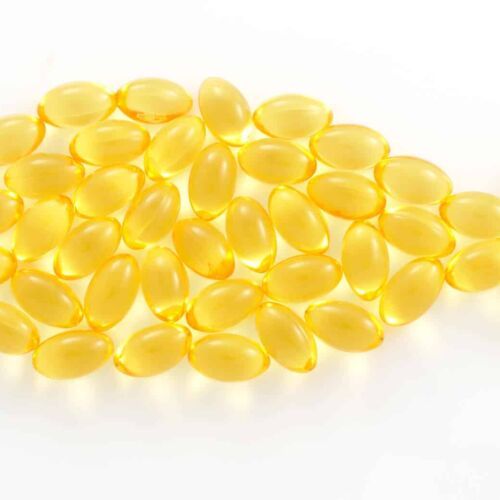
Eating fish appears better than relying on supplements alone, because whole fish provides protein, vitamins, and minerals alongside omega-3s. Mayo Clinic notes that supplements are not right for everyone and may carry their own considerations. Focus on getting omega-3s from food first, and discuss any supplement with your provider.
Does eating fish help your heart?
Yes, omega-3s and other nutrients in fish are tied to better heart health and a lower risk of cardiovascular disease. The American Heart Association recommends fish at least twice a week, and research links regular fish intake with lower triglycerides and reduced heart-related risk for many people.
Ready to take the next step?
Talk with the AgeRejuvenation team about a Nutritional Counseling plan built around your labs and goals.