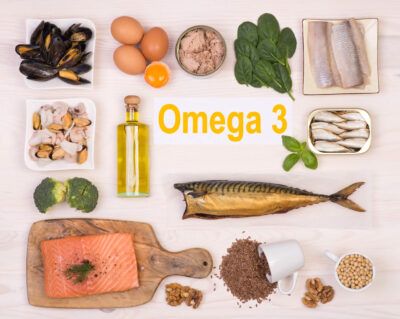
Fat is essential, not the enemy. Saturated and trans fats should be limited, while unsaturated fats (monounsaturated and polyunsaturated) support health. Omega-3s are anti-inflammatory and aid hormones, heart, and weight, while omega-6s are needed in moderation. Most diets skew too high in omega-6, so adding more omega-3 foods restores a healthier balance.
For decades, dietary fat was treated like the enemy. The truth is more nuanced. Fat is not always a bad thing. In fact, fat is essential for the daily function of vital organs such as the brain, heart, and reproductive organs. The real goal is not to fear fat, but to understand which fats serve your body and which ones work against it. Below we break down the main types, the omega-3 versus omega-6 question that confuses so many people, and how the right balance supports hormones, weight, and long-term wellness.
What are the main types of dietary fat?
Dietary fat falls into a few main categories: saturated fat, unsaturated fat (split into monounsaturated and polyunsaturated), and trans fat. Saturated and trans fats are the ones to limit, while unsaturated fats are generally the heart-friendly choices. Knowing the difference is the first step toward smarter eating.
Fat can be broken down into two broad camps: saturated (often labeled "bad") and unsaturated (often labeled "good"). Saturated fats are typically solid at room temperature and show up in fatty meats, butter, and many processed snacks. The American Heart Association notes that replacing saturated fats with unsaturated fats can help lower cholesterol levels and support cardiovascular health.
Unsaturated fats can be further broken down into monounsaturated and polyunsaturated. Polyunsaturated fats are missing several hydrogen atoms and are essential to our health, since our bodies cannot manufacture them on their own. We have to get them from food.
Why are polyunsaturated fats so important?
Polyunsaturated fats are essential because the body cannot make them, yet they are required for hormone production, cell membrane structure, and the regulation of many bodily activities. Because they are dietary essentials, the foods you choose directly shape how well these systems run.
Polyunsaturated oils, in particular, are necessary for hormone production and to help regulate everyday bodily activities. There are two main types: omega-3 fatty acids (found in fish, eggs, and flaxseed oil) and omega-6 fatty acids (found in seeds and seed oils). While both are essential, the two families behave differently in the body and carry different health implications. If you are unsure how to fit these fats into your meals in a way that fits your goals, working through a structured plan with a clinician can make the guidance practical instead of overwhelming. Personalized one-on-one nutritional counseling guides everyday food choices so your fat intake actually supports your health rather than working against it.
What is the difference between omega-3 and omega-6?
The key difference is how they influence inflammation. Omega-3 fatty acids tend to be anti-inflammatory and support heart and brain health, while omega-6 fatty acids are necessary but can promote inflammation when eaten in excess. Both are essential, so balance is what matters most.
Omega-3 fatty acids play a vital role in supporting heart health and also help support the production of important hormones that keep you healthy, feeling good, and looking younger and leaner (including the sex hormones estrogen, progesterone, and testosterone). Omega-3s can be found in eggs, nuts, flaxseed, and cold-water fish. The Cleveland Clinic explains that omega-3 fatty acids may support heart health, in part by helping to lower triglycerides. For a deeper dietary reference, the National Institutes of Health describes the two major classes of polyunsaturated fatty acids and their food sources.
Omega-6 fatty acids, on the other hand, can cause problems if consumed in excess as well as in insufficient amounts. They should be included in the diet, but in moderation. These fatty acids are commonly found in corn, peanuts, and seeds (and their oils), as well as in evening primrose and borage oils. Importantly, omega-6 fats are not villains. Harvard Health points out that omega-6 fats can be part of a heart-healthy diet, and most experts recommend boosting omega-3 intake rather than aggressively cutting omega-6.
Does the omega-6 to omega-3 ratio matter?
Yes. The balance between omega-6 and omega-3 fats appears to matter as much as the total amount. The typical Western diet runs heavy on omega-6 and short on omega-3, and research links that imbalance to chronic low-grade inflammation. Shifting the ratio closer to balance is a common nutrition goal.
A peer-reviewed analysis from the National Institutes of Health describes how a higher omega-6 to omega-3 ratio is associated with greater inflammation in the body. Because the modern diet leans so far toward omega-6 from processed foods and refined oils, many people benefit from adding more omega-3 rich foods like salmon, sardines, walnuts, chia, and flaxseed. Inflammation matters here because it sits at the root of many wellness concerns. Our broader wellness center brings nutrition and longevity services together under one roof so dietary changes can be paired with the rest of your health plan.
How do healthy fats support hormones and weight?
Healthy fats are the raw material your body uses to build hormones, including the sex hormones that influence mood, energy, libido, and body composition. When fat intake is too low or skewed toward the wrong types, hormone production and metabolism can suffer, which is one reason crash diets often backfire.
Hormones such as estrogen, progesterone, and testosterone are partly built from dietary fat, so the fats you eat can quietly influence how you feel day to day. Eating enough of the right fats supports steady energy and a stable metabolism. People navigating midlife shifts often notice that fatigue, stubborn weight, and mood swings overlap, and many of these symptoms trace back to a hormone imbalance that can disrupt energy, weight, and mood. Addressing nutrition is one piece of the picture, and pairing it with clinical support can make the difference more lasting.
Frequently Asked Questions
Are all saturated fats bad for you?
Saturated fats are not poison, but most guidelines recommend limiting them. The American Heart Association suggests keeping saturated fat low and replacing it with unsaturated fats to support healthy cholesterol levels. Whole foods like nuts, seeds, fish, and olive oil are better everyday choices than fatty processed meats and fried foods.
What foods are highest in omega-3?
Cold-water fatty fish such as salmon, mackerel, sardines, and trout are among the richest sources of omega-3. Plant-based options include walnuts, chia seeds, flaxseed, and hemp seeds. Eggs can also contribute. Including a mix of these foods across the week is an easy way to raise your omega-3 intake.
What happens if you eat too much omega-6?
Eating far more omega-6 than omega-3 may contribute to chronic low-grade inflammation over time, which research connects to several health concerns. The fix is usually not to fear omega-6, but to add more omega-3 rich foods and cut back on heavily processed items made with refined seed oils, bringing the ratio closer to balance.
Can eating fat actually help with weight management?
Yes, when chosen wisely. Healthy fats slow digestion, promote fullness, and support the hormones that regulate appetite and metabolism. Very low-fat diets can leave you hungry and may disrupt hormone production. The key is choosing unsaturated fats in sensible portions rather than eliminating fat entirely.
How do I know which fats are right for my body?
General guidance is a great starting point, but individual needs vary based on health history, hormones, and goals. A clinician can review your diet, lab work, and symptoms to tailor recommendations. Results may vary by individual, so consult your doctor to see what fat balance is right for you.
Ready to take the next step?
Talk with the AgeRejuvenation team about a Nutritional Counseling plan built around your labs and goals.