CoolSculpting (cryolipolysis) freezes stubborn fat cells without surgery, anesthesia, or downtime, while liposuction and gastric bypass are invasive with longer recovery and higher risk. Fat freezing best suits people near their goal weight who want to contour targeted bulges. For larger, lasting weight reduction, a physician-guided medical weight loss plan paired with body contouring works best.
Is CoolSculpting treatment the permanent slimming procedure for you?
By the end of January, the steam from your New Year's resolution is often long gone, and with summer creeping closer, your problem areas can start to feel like a bigger issue. Losing fat, especially in stubborn spots, is a goal for men and women across the country, with or without a resolution behind it.
Most of us want a simple, lasting solution that actually works. So what kind of options are really available for fat loss today? Below we walk through three common paths, how they compare, and how a structured plan can keep your results on track.
What Are the Main Options for Stubborn Fat Loss?
The main options for stubborn fat range from invasive surgery to non-invasive cold treatments. Liposuction and gastric bypass are surgical, with longer recovery and higher risk. CoolSculpting (cryolipolysis) is non-invasive and targets fat without breaking the skin. Each path suits a different goal, so a guided, physician-led approach to lasting fat loss helps you match the method to your body.
Choosing well starts with honest expectations. Body contouring trims targeted bulges, while true weight reduction is a separate goal that usually involves nutrition, movement, and sometimes medical support.
Liposuction
One of the most common types of surgical fat removal is liposuction, which uses a hollow device called a cannula to break up fat and suck it out with a high-powered vacuum. Liposuction requires either general or local anesthesia, the incisions are closed with stitches, and patients typically wear a support garment or bandages for weeks afterward, often with medication to prevent infection and manage pain.
Bruising is usually significant and is accompanied by swelling in the treated area. In some cases, technique errors can leave cannula marks, dents, or unevenly removed fat. There is also a recognized risk of infection, allergic reaction, skin burns, blood clots, and fluid or heart-related complications, which is why the procedure should only be done by a qualified surgeon, as the American Society of Plastic Surgeons emphasizes when comparing surgical and non-surgical fat reduction.
Fat removal is permanent, but results vary widely, and many people are not willing to take time off from work and the gym or accept the potential side effects.
Gastric Bypass
Gastric bypass is an extreme weight loss procedure that involves complex surgery. The stomach is cut so that only a small portion remains, and that pouch is redirected into the intestines, leaving much of the stomach unattached.
The idea behind the procedure is that a much smaller stomach changes how the body responds to food, so appetite drops and dramatic weight loss follows. These and similar surgeries, such as a lap band or gastric sleeve, all restrict the size of the stomach, and they carry meaningful risks of complications that should be discussed in detail with a surgical team.
Besides a dramatic procedure and an extended recovery, there have historically been few easy options for getting rid of those stubborn fatty areas. For people who struggle with ongoing stubborn weight gain and a slow metabolism, surgery can feel like the only path, yet there is now a non-invasive procedure that can target bothersome areas to reduce fat and support a fitter you.
CoolSculpting Treatment in Tampa
Looking for a long-lasting solution to stubborn body fat without invasive surgery? CoolSculpting therapy at ageRejuvenation's Tampa Bay clinics may be the answer you have been after.
Instead of breaking the skin with needles, scalpels, and surgical devices, CoolSculpting is drug-free and entirely non-invasive. WebMD notes that the treatment freezes the subcutaneous fat near the surface of your skin but does not address deeper visceral fat, which is one reason it works best as a body-contouring tool rather than a true weight loss method.
How Does CoolSculpting Work?
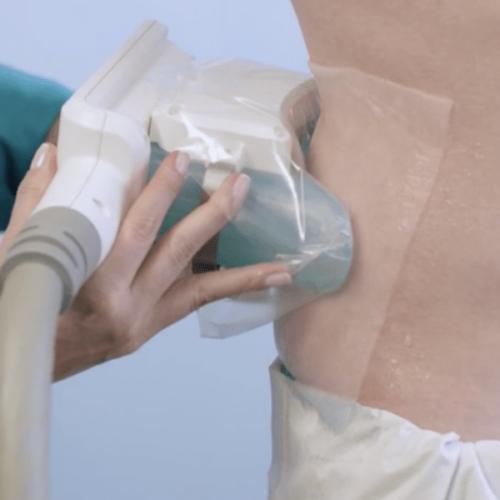
CoolSculpting works by using controlled cooling to target fat cells, which triggers a natural cellular breakdown over the following weeks. The body then clears the damaged cells through the lymphatic system. Because fat cells are more vulnerable to cold than skin, muscle, or nerves, the cooling can reduce a fat bulge without harming surrounding tissue.
The science behind this fat reduction therapy is called cryolipolysis. According to Ohio State Health and Discovery, cryolipolysis uses extreme cold to freeze fat cells, and the approach was FDA-cleared in 2010. It has since become a popular non-surgical option for reducing pockets of fat.
ageRejuvenation technicians all have a medical or aesthetic background, with years of education plus extensive hands-on training using CoolSculpting at our Bay Area locations in North Tampa, South Tampa, Westchase / Oldsmar, and Brandon.
Where Does the Fat Go After Fat Freezing?
After fat freezing, the cooled fat cells undergo apoptosis, a form of natural cell death, without harming the skin layers on top. The crystallized fat cells then die off and are slowly cleared by the body. Just as the body cycles through other cells over time, it gradually removes these treated fat cells through the lymphatic system over the weeks following treatment.
Harvard Health explains that this kind of non-invasive cooling leads to a reduction in the fat layer in the treated zone, which is why results appear gradually rather than overnight. The procedure itself is simple and efficient, with no required downtime, so it is easy to fit into day-to-day life.
Getting a more sculpted physique has never been so straightforward.
Is CoolSculpting Safe and Who Is a Good Candidate?
CoolSculpting is considered safe because it is non-invasive and does not break the skin to target and remove fat. Each treatment area typically takes about 35 to 45 minutes. A peer-reviewed review of cryolipolysis published through the National Institutes of Health found it to be a well-tolerated, effective option for reducing localized fat, with side effects that are usually mild and temporary.
So who is a good candidate? Generally, anyone who is near their goal weight and wants to reduce fat in targeted areas without surgery. It is not a weight loss program for large amounts of fat, which is where a structured, medically guided plan comes in.
Our physician-supervised CoolSculpting therapy may be just the boost you need, and it pairs well with the broader, results-focused weight loss and body-contouring services our clinic provides. To keep results lasting, many patients also build a maintenance routine through an ongoing medical weight management program that supports nutrition, metabolism, and accountability over time.
Frequently Asked Questions
Does CoolSculpting fat freezing actually work?
Yes, for the right candidate it can reduce a visible fat bulge in a treated area. Clinical reviews show cryolipolysis can lower the fat layer in targeted spots. It works best on stubborn pockets near your goal weight, not as a substitute for overall weight loss.
How many pounds can CoolSculpting take off?
CoolSculpting is a body-contouring treatment, not a weight loss procedure, so it is not designed to drop a large number on the scale. Most people notice a slimmer, more sculpted contour in the treated area rather than a big change in total body weight.
Is CoolSculpting permanent?
The treated fat cells are cleared by the body and do not return. However, remaining fat cells can still grow if you gain weight, so results last best when paired with steady nutrition and activity. A maintenance plan helps protect your contour long term.
What is the downside of CoolSculpting?
The main downsides are temporary side effects such as redness, swelling, tingling, or numbness in the treated area, which usually fade within days or weeks. It also will not address deeper visceral fat or loose skin, so it suits surface-level stubborn fat rather than significant weight reduction.
Is CoolSculpting or medical weight loss better for me?
It depends on your goal. CoolSculpting targets specific stubborn bulges in people near their ideal weight. If you need to lose a meaningful amount of weight, a physician-guided medical weight loss program addressing metabolism, nutrition, and habits is usually the better fit, and the two can work together.
Ready to take the next step?
Talk with the AgeRejuvenation team about a Medical Weight Loss plan built around your labs and goals.