Botox and dermal fillers fix two different problems: Botox relaxes muscles to soften movement-driven lines, while fillers restore lost volume and contour. The most natural results come from a conservative, staged plan matched to your anatomy. This guide explains how each works, who fits which option, how long results last, and why provider skill keeps outcomes subtle for Tampa Bay and Central Florida professionals.
This cosmetic injectables guide is for people who want to feel more refreshed without looking different. If you are a high-performing professional, you may notice your face shows stress before you feel it. Long workdays, travel, poor sleep, and constant screen time can shift how you hold tension in the brow, jaw, and around the eyes. Those patterns are not just cosmetic. They are part of how your nervous system and facial muscles respond to daily pressure.
Botox and dermal fillers can help, but only when the plan fits your anatomy and your goals. The safest, most natural results come from understanding what is actually causing the change you see in the mirror.
What Is the Difference Between Botox and Dermal Fillers?
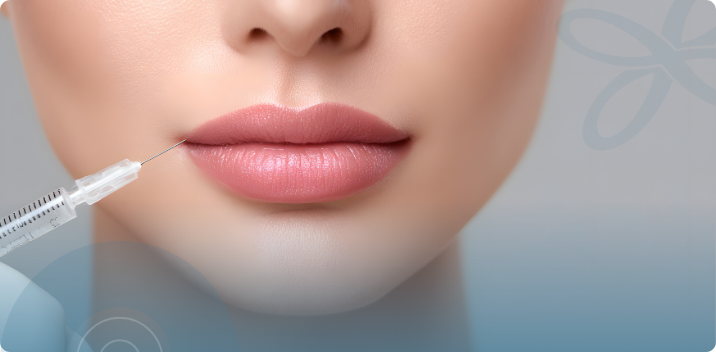
Botox and dermal fillers solve two different problems. Botox is a neuromodulator that relaxes targeted muscles to soften lines created by movement, while fillers add volume to restore contour where tissue has thinned. Most clinicians describe Botox as the tool for dynamic, expression-driven wrinkles and fillers as the tool for static lines and lost structure.
That distinction matters because choosing the wrong tool is one of the most common reasons results look off. Dermatology educators note that Botox relaxes the muscles behind repeated facial movement while fillers physically add volume under the skin, which is why a careful injector starts by naming the actual problem before reaching for a product.
The Real Goal: Natural-Looking Results with Movement
Most people are not asking for a frozen forehead or an inflated look. They want their face to match how they feel on a good day: focused, rested, and confident. That is why a conservative approach matters.
Facial appearance is shaped by a few moving parts:
Muscle activity that creases the skin over time.
Volume distribution in the cheeks, temples, and lips.
Skin quality affected by sun exposure, hydration, and collagen changes.
Stress physiology, including sympathetic nervous system tone that can keep muscles "on" even at rest
When the sympathetic nervous system is running high, the body stays in a subtle fight-or-flight state. The sympathetic branch of the nervous system drives that response and raises baseline muscle readiness, and physiology references confirm that sustained sympathetic tone keeps muscles primed for action. In some patients, that creates tightness in the forehead, between the brows, and in the jaw. Over months and years, those tension patterns can deepen certain lines. Injectables do not treat stress, but a skilled injector can account for the way tension and movement shape the face. Patients who feel keyed up around the clock may also benefit from addressing the underlying chronic stress and anxiety that holds those muscles tight in the first place.
Anti-Wrinkle Treatment Options Start with One Question: Movement or Volume
When patients compare anti-wrinkle treatment options, the most useful starting point is simple: is the issue driven mostly by movement or by structural change under the skin? The answer determines whether Botox, fillers, or a staged combination is more appropriate.
When Lines Are Driven by Muscle Activity
Botox is a neuromodulator. In precise doses, it reduces nerve signaling to specific facial muscles at the neuromuscular junction. Less signaling means less muscle contraction. Clinical references explain that botulinum toxin temporarily blocks the nerve signals that tell a muscle to contract, which over time can soften dynamic lines that form from repeated expression, such as frown lines or crow's feet.
A careful plan aims to reduce the muscle pull that keeps folding the skin. This is also why dosing and placement matter. Small differences can change brow position, eyelid heaviness, and how natural your expression looks during conversation. If you have tried new skincare and still see strong expression lines, a precise Botox treatment plan may be one of the more direct options for movement-based wrinkles.
When Changes Come from Structural Shift
Dermal fillers are often hyaluronic acid-based gels placed in specific tissue planes to support contour. Think of them as restoring shape rather than "filling a line." In many faces, the problem is not a single crease. It is a subtle shift in the cheek, temple, or lip structure that changes how light hits the face.
Fillers may be considered when volume loss creates:
Cheeks that look flatter than they used to.
Under-eye hollowing caused by midface change.
Shadowing around the mouth from support loss.
Thinning lips that lose definition over time.
The key is restraint. A structural approach uses the smallest amount needed to improve balance, and the FDA stresses that fillers carry real risks and should be placed by a qualified provider. It respects the natural architecture of the face.
Why Do Some Injectable Results Look Overdone?
Overdone outcomes usually come from a mismatch between the product and the problem or from treating one feature in isolation. The most common drivers are using too much product in one session, placing filler in the wrong layer, and chasing a trend that does not fit the patient's facial proportions.
A conservative approach reduces that risk by planning treatment in stages and reassessing after the first changes settle. This is also where the right facial aesthetics expertise, found across the clinic's medical spa services, helps keep movement and expression intact.
How a Conservative Plan Is Built
A good plan is not a menu. It is a set of decisions that match your face, your tolerance for change, and your day-to-day demands.
Facial Mapping and Goal Setting
This step is about clarity. Your clinician reviews your goals, your facial movement patterns, and the results you want to avoid. Some patients prefer softer lines while keeping the brow light and expressive. Others are looking for better cheek support without a rounded or overfilled look.
A responsible consult also includes medical screening, since safety comes first. Your provider should review medications, prior reactions, and any relevant health conditions that affect bruising or healing.
Dose Strategy and Staging
Staging is one of the simplest ways to protect a natural look. Rather than doing everything at once, the plan may start with targeted Botox or subtle structural support, then build only if needed.
This approach is especially helpful for patients who are new to injectables or for those who have had results they did not like in the past. It also allows the clinician to adjust based on how your face moves, not just how it looks at rest. For many people weighing anti-wrinkle treatment options, staging is what separates a careful medical plan from a generic treatment.
Aftercare and Checkpoints
Aftercare is not complicated, but it is important. Your provider may recommend short-term precautions based on the areas treated. Follow-up checkpoints, when appropriate, help confirm symmetry and refine the result without drifting into over-treatment.
How Long Do Botox and Dermal Fillers Last?
Botox typically lasts about three to four months, while dermal fillers can last from six months to a year or longer depending on the product and the area treated. Because the two wear off at different rates, a combined plan needs its own maintenance schedule rather than a single repeat date.
Knowing the timelines helps you plan around work, travel, and events. Many busy professionals prefer to schedule touch-ups before lines fully return, which keeps results steady and avoids the obvious "just had work done" phase. Your provider can map a realistic Botox maintenance rhythm so the look stays consistent without overcorrecting.
Why AgeRejuvenation Works for Tampa Bay and Central Florida Professionals
AgeRejuvenation is a functional medicine clinic built on clear reasoning and measurable decisions. That approach carries into aesthetic care, where the priority is a plan that fits your anatomy and your professional life, not a passing trend. Convenient access also helps patients stay consistent without turning a visit into a disruption.
For those commuting through the S Howard Ave corridor near Hyde Park, the Tampa location is easy to reach. Brandon patients often prefer Nikki View Drive, and Wesley Chapel patients know the Bruce B. Downs Blvd route near New Tampa and the USF area.
AgeRejuvenation has five locations:
1155 Nikki View Drive, Brandon, FL 33511
220 N Howard Ave, Tampa, FL 33606
1940 Bruce B. Downs Blvd, Wesley Chapel, FL 33544
5730 Hamlin Groves Tr #176, Winter Garden, FL 34787
1523 S Orange Ave, Orlando, FL 32806
For many patients, Botox and dermal filler fit best within a measured plan that respects facial structure and works with the reality of busy schedules.

Frequently Asked Questions
What makes you look younger, Botox or fillers?
Neither one wins on its own, because they fix different signs of aging. Botox softens lines made by repeated expression, while fillers restore volume in cheeks, lips, and under-eye hollows. The most natural rejuvenation often pairs a small amount of each, matched to your face.
Is Botox or filler safer?
Both are considered safe when placed by a trained, qualified provider, and both carry risks when they are not. Fillers can cause more serious problems if placed in the wrong tissue plane, which is why provider skill and conservative dosing matter more than the product itself.
How long do Botox and dermal fillers last?
Botox usually lasts about three to four months. Dermal fillers tend to last longer, often from six months to a year or more, depending on the type of filler and the treated area. Your provider can set a maintenance schedule that fits each one.
Will injectables make my face look frozen or overdone?
They should not when the plan is conservative. A frozen or puffy look usually comes from too much product, placement in the wrong layer, or treating one feature in isolation. Staged dosing and follow-up checkpoints help keep expression natural.
Can stress affect facial wrinkles?
Indirectly, yes. Ongoing stress can keep certain facial muscles tense, which over time may deepen lines in the forehead and between the brows. Injectables do not treat stress, but a thoughtful injector can account for those tension patterns when planning treatment.
Conclusion
The best injectables are subtle. They improve facial balance, ease the look of tension, and still let your expressions read naturally. If you are using this cosmetic injectables guide to make a careful decision, prioritize two things: a clinician with a clear strategy and a plan designed to stay conservative over time.
AgeRejuvenation supports patients across Tampa Bay and Central Florida who value clinical judgment, transparency, and results that hold up in day-to-day life, not just in photos. If you want an expert plan and a clear next step, you can schedule an appointment at the location that fits your route and your calendar.
Ready to take the next step?
Talk with the AgeRejuvenation team about a Botox Injections plan built around your labs and goals.