Vitamin B12, or cobalamin, helps your body keep nerve cells healthy, build red blood cells, make DNA, and turn food into energy. It may boost energy and metabolism, but only if you are actually low; people with normal levels often feel little change. Older adults and strict vegetarians are most at risk. Injections bypass the stomach for better absorption than tablets.
Often called the energy vitamin, B12 does far more than fight tiredness. It helps your body keep nerve cells healthy, build DNA, and turn food into usable fuel. This guide explains what B12 is, who tends to run low, and how a shot compares to a tablet under the tongue, so you can decide whether B12 support makes sense for you.
What is a B12 vitamin and what does it do?
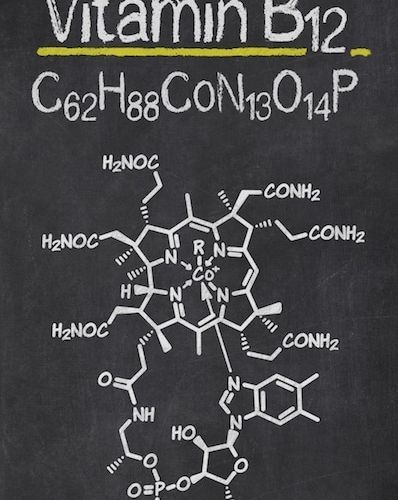
Vitamin B12, also called cobalamin, is a water-soluble nutrient your body uses to keep nerve cells working, build red blood cells, and make DNA. According to the Mayo Clinic overview of vitamin B-12 supplementation, the body relies on B12 to make and maintain healthy nerve and red blood cells along with your genetic material.
Beyond those core jobs, B12 plays a role in how your body uses energy from food. The National Institutes of Health fact sheet on vitamin B12 notes the vitamin is required for the development and function of the central nervous system, healthy red blood cell formation, and DNA synthesis. In other words, it is a behind-the-scenes worker that touches nearly every system in your body.
Is B12 good for energy and metabolism?
B12 can support energy and metabolism, but the effect depends on your starting level. B12 helps your body process fats, carbohydrates, and proteins, which is part of how food becomes fuel. If your levels are already healthy, adding more may not give you a noticeable lift. If you are running low, the difference can be significant.
This is an important point worth repeating: there is no guarantee that B12 will boost your energy or speed up your metabolism. Results vary from person to person. Someone with a true shortfall who feels sluggish, foggy, or worn down may feel much better once levels are restored, while someone with normal levels may feel little change. Because low B12 is a recognized driver of tiredness, it is one of the first things worth checking when you struggle with ongoing low energy. If you battle persistent exhaustion, our team also helps patients explore the root causes of stubborn chronic fatigue and low energy rather than guessing.
Who is most likely to have low B12?
Older adults and strict vegetarians or vegans are the groups most likely to run low on B12. The reasons differ for each. Plant foods do not naturally contain B12, so people who avoid meat, fish, eggs, and dairy may simply take in too little, a pattern flagged by MedlinePlus on dietary vitamin B12 sources.
Aging works differently. As we get older, the stomach often produces less acid, and that acid is part of how the body frees B12 from food and absorbs it. The NIH consumer guide on vitamin B12 explains that many older adults make too little stomach acid to absorb B12 well, which is why supplements or fortified foods are commonly recommended later in life.
What are the signs of low B12?
Low B12 can show up as fatigue, weakness, brain fog, or mood changes. The Cleveland Clinic page on vitamin B12 deficiency lists symptoms such as tiredness, muscle weakness, and trouble concentrating. These signs are easy to brush off as normal stress or busy living, which is why low B12 often goes unnoticed for a while. A simple blood test can clarify whether B12 is part of the picture.
How do you take B12: sublingual or injection?
The two most common ways to take B12 are sublingual (under the tongue) and injection. Each has tradeoffs. Sublingual tablets are convenient and easy to use at home. The catch is absorption: as stomach acids decline with age, the body may not take in the sublingual form as efficiently as it once did.
Injections work differently. An in-office B12 injection skips the digestive step entirely and delivers B12 straight into the body. For people whose absorption is reduced, this route can offer a boost that feels quicker and lasts longer. The Harvard Health guidance on B12 supplements reinforces that B12 is essential for healthy brain, nerve, blood, and DNA function, which is why getting enough, through the route that works for your body, matters.
Does a B12 shot work right away?
A B12 shot does not always produce an instant change. People with a real deficiency may notice improved energy within days to a couple of weeks as levels rebuild, while those with adequate B12 may feel little difference. The shape of the response depends on how low you started and how your body absorbs and uses the vitamin.
How B12 fits into a broader wellness plan
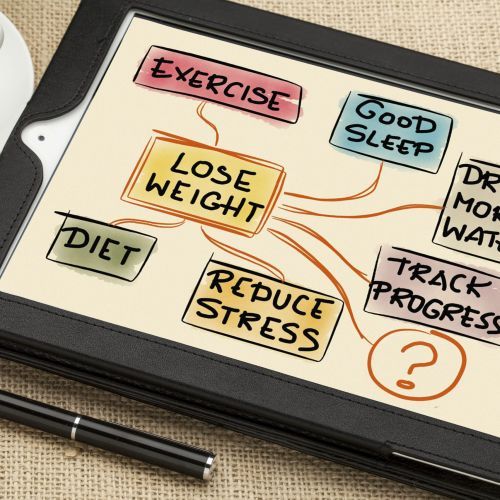
B12 rarely works in isolation. For many people, low energy reflects a mix of nutrition, sleep, hormones, and absorption, so a single fix is not always the whole answer. That is why B12 support sits alongside other tools within our weight loss and metabolic wellness services, where a provider can look at the full picture instead of one number. If a true shortfall is found, a targeted vitamin injection plan can be paired with diet and lifestyle changes for better, longer-lasting results. The goal is steady, sustainable energy, not a temporary jolt.
Frequently Asked Questions
What does vitamin B12 actually do in the body?
Vitamin B12 helps your body keep nerve cells healthy, build red blood cells, and make DNA. It also supports how your body processes fats, carbohydrates, and proteins for energy. Because it touches so many systems, a shortfall can affect energy, focus, and overall well-being.
Will B12 give me more energy?
It depends on your starting level. If you are low in B12, restoring it may noticeably improve energy and reduce fatigue. If your levels are already healthy, extra B12 may not add a lift. There is no guarantee of a boost, since results vary by individual.
Who needs B12 the most?
Older adults and strict vegetarians or vegans are most likely to run low. Plant-only diets provide little natural B12, and aging often reduces stomach acid needed to absorb it. People with ongoing fatigue or poor sleep may also benefit from having their levels checked.
Is a B12 injection better than a tablet?
For people with reduced absorption, an injection can be more effective because it bypasses the stomach and delivers B12 straight into the body. Sublingual tablets are convenient but may be absorbed less efficiently as stomach acid declines with age. The best choice depends on your needs.
How do I know if my B12 is low?
Common signs include fatigue, weakness, brain fog, and mood changes, though these can overlap with many other issues. The most reliable way to know is a simple blood test. Talk with a provider, who can confirm your level and recommend whether a supplement or injection is right for you.
Ready to take the next step?
Talk with the AgeRejuvenation team about a Vitamin Injections plan built around your labs and goals.