Surface-level solutions have a ceiling. Creams address what you can see. Rest addresses how tired you are. Neither reaches the cellular processes driving the actual problem, including reduced collagen synthesis, slower tissue turnover, declining blood vessel formation, and inflammatory signaling that never quiets. Regenerative therapy works further upstream. It uses platelet-rich plasma, growth factors, and signaling peptides to activate the same repair pathways your body relies on to heal, with greater precision than rest alone can deliver.
At AgeRejuvenation, regenerative therapy is built around your biology, not a one-size procedure. We assess the concern, choose the right modality, and deliver concentrated repair signals to the tissue that needs them, then track progress as cellular renewal unfolds. This guide explains what regenerative therapy is, who is a candidate, how PRP and peptides work, the benefits and the real risks, how the methods compare, what results to expect, and what treatment costs.
What Is Regenerative Therapy?
Answer: Regenerative therapy is a group of treatments that use biological compounds, including platelet-rich plasma (PRP), growth factors, and signaling peptides, to activate the body's natural repair mechanisms at the cellular level rather than only on the surface.
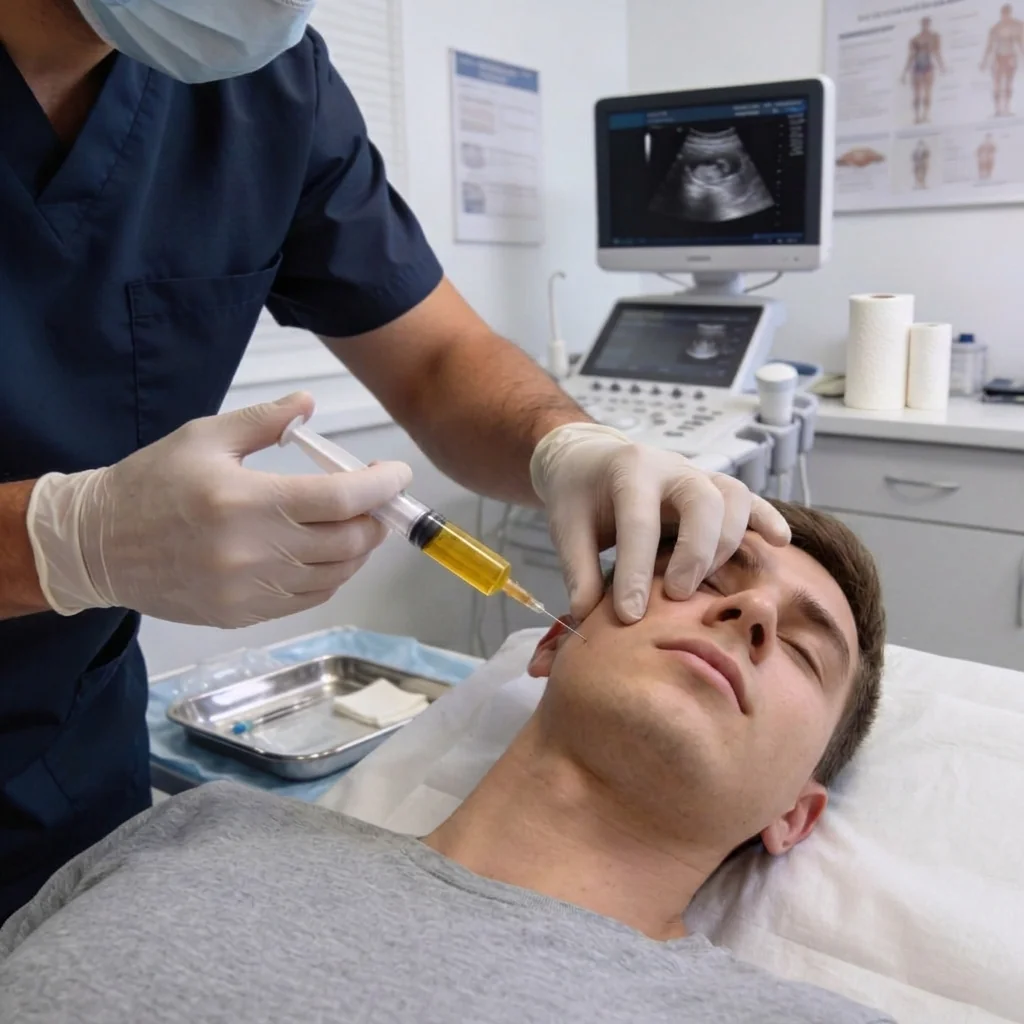
These treatments release signaling molecules that stimulate fibroblast activity, promote new blood vessel formation, calm chronic inflammation, and accelerate tissue restoration. At AgeRejuvenation we offer several modalities under the regenerative therapy umbrella, and the most common is PRP, which draws your own blood, concentrates its platelets through centrifugation, then injects those growth factors into target tissue. Cleveland Clinic explains how platelet-rich plasma concentrates healing growth factors from your own blood. Regenerative peptides add targeted signaling that supports renewal and repair at the system level.
How Does Regenerative Therapy Work?
Answer: Regenerative therapy works by delivering concentrated repair signals, such as platelet growth factors or peptides, directly to a target area, where they recruit cells, stimulate collagen and blood vessel formation, and restart the healing cascade your body already uses.
The difference from simply resting and hoping for recovery is precision. We deliver the signals your cells need, to the location where they are needed, at a concentration that produces meaningful change. The clinical evidence behind regenerative and PRP therapy describes how concentrated platelets, typically several times above baseline blood levels, release the growth factors that drive tissue repair. The treatment activates the same biology your body relies on, just with more focus and scale than rest alone can achieve.
Who Is a Candidate for Regenerative Therapy?
Answer: Good candidates are adults dealing with hair thinning, early skin aging, slow tissue recovery, sexual health concerns, or chronic inflammation who prefer a non-surgical option and have realistic, time-based expectations.
Candidacy is confirmed at an assessment, because regenerative therapy depends on your cells being able to respond. Patients whose hormones and metabolic health are optimized often respond differently than those whose endocrine environment is dysregulated, which is one reason we evaluate the whole picture first. Certain medical conditions, active infection, or some medications can make treatment inappropriate, and your provider will review those considerations before any plan begins.
What Conditions Does Regenerative Therapy Address?
Answer: Because it works through cellular signaling rather than one fixed mechanism, regenerative therapy applies to hair loss, skin aging, sexual health concerns, chronic inflammation, and slow recovery from physical activity.
Hair loss driven by reduced scalp blood flow and follicle miniaturization can worsen if the underlying decline is not addressed. PRP delivered to the scalp floods the area with concentrated growth factors that stimulate circulation and follicle activity. Decreased collagen production and slower cellular turnover show up as visible aging, and regenerative treatments stimulate fibroblast activity and collagen synthesis for firmer skin from within. Age-related tissue changes and reduced blood vessel formation can affect sexual function in men and women, where PRP-based applications support angiogenesis and sensitivity. Persistent inflammation accelerates cellular dysfunction, and regenerative therapy improves the tissue environment so cells can repair more efficiently.
What Are the Benefits of Regenerative Therapy?
Answer: The main benefits are addressing the biology at the source rather than the surface, no surgery, minimal downtime, results that can be durable, and treatments that use your own biological material in the case of PRP.
Because the approach targets the cellular and vascular mechanisms behind hair loss, skin aging, and tissue decline, improvement can last rather than fade as a temporary external effect would. PRP is only as good as its preparation, so concentration and technique matter as much as the injection itself. The practical advantage for most patients is simple. You can usually return to normal activities quickly while the repair process unfolds over weeks, without stopping your life to address cellular aging.
What Are the Side Effects and Risks of Regenerative Therapy?
Answer: Most side effects of PRP and peptide-based regenerative therapy are mild and short-lived, such as soreness, swelling, bruising, or redness at the treatment site, because PRP uses your own blood and rarely triggers allergic reaction.
More significant risks are uncommon when treatment is performed by qualified specialists using proper protocols, though any injection carries a small risk of infection or bleeding. The category also includes products that are not interchangeable. The FDA warns that many stem cell and exosome offerings are unapproved, and reviewing the FDA's guidance on regenerative medicine products is worthwhile before choosing any provider. We use established, well-characterized modalities and explain exactly what is being used and why.
How Do the Regenerative Therapy Methods Compare?
Answer: The main regenerative methods differ in how they deliver repair signals: PRP uses your own concentrated platelets, peptides provide system-level signaling, and shockwave or other modalities stimulate tissue mechanically; the right choice depends on your concern.
| Method | How it works | Often used for | Downtime |
|---|---|---|---|
| PRP therapy | Your own blood is concentrated and injected to deliver growth factors | Hair restoration, skin rejuvenation, sexual health | Minimal |
| Regenerative peptides | Targeted signaling molecules support cellular renewal at the system level | Tissue repair, recovery, overall optimization | Minimal to none |
| Combination protocols | Modalities paired with diagnostics and hormone support | Complex or multi-area concerns | Varies by plan |
PRP is popular because it uses your own biological material and adapts to several concerns, from the scalp for hair regrowth to facial skin and target tissue. The right method is the one that fits your goals and your biology, and a protocol may combine more than one over time.
What Should I Expect During Treatment and Recovery?
Answer: A typical regenerative therapy session takes about 30 to 60 minutes depending on the modality, with minimal downtime, so most patients return to normal activities quickly while repair unfolds over the following weeks.
For PRP, a blood draw is followed by centrifugation to concentrate the platelets, then a precise injection into the target area. You may feel mild soreness for a day or two. Because biological repair takes time, the visible payoff arrives gradually as new collagen, circulation, and tissue activity build, which is why a series is usually recommended rather than a single visit.
How Long Until I See Results From Regenerative Therapy?
Answer: Most patients notice meaningful changes within 6 to 12 weeks as cellular repair processes unfold, with earlier improvements sometimes visible in tissue texture, hair density, or recovery, and continued development across a full protocol.
Results are not instant because regenerative therapy rebuilds rather than resurfaces. The timeline reflects how long collagen synthesis, angiogenesis, and follicle reactivation actually take. Maintenance sessions help sustain the gains, since the biology of aging continues even after an initial series.
How Much Does Regenerative Therapy Cost?
Answer: Regenerative therapy is generally self-pay because most procedures fall outside standard insurance coverage when used for aesthetic or wellness goals, and the total depends on the modality, the area treated, and how many sessions your plan requires.
Because every plan is individual, our team reviews current pricing and financing options at your consultation so you can plan with no surprises. The goal is a protocol you can sustain, since regenerative results are built over a series and maintained over time rather than fixed in one appointment.
Why Choose AgeRejuvenation for Regenerative Therapy?
Answer: Regenerative therapy rewards clinical depth that a procedure-focused clinic cannot replicate, with protocols designed from diagnostics and connected to hormone and metabolic health rather than treating a single complaint in isolation.
Care is led by Chief Medical Director Dr. Dawn Ericsson, MD. Our team works from advanced diagnostics, understands how regenerative modalities connect to your broader physiology, and prepares PRP to maximize platelet and growth factor concentration in the final product. Regenerative therapy is one service within our complete regenerative medicine program, which also includes PRP, shockwave, and cellular treatments. If you are ready to address cellular aging at the source, the next step is a consultation that starts with your goals and your numbers.
Explore more in our wellness center services .