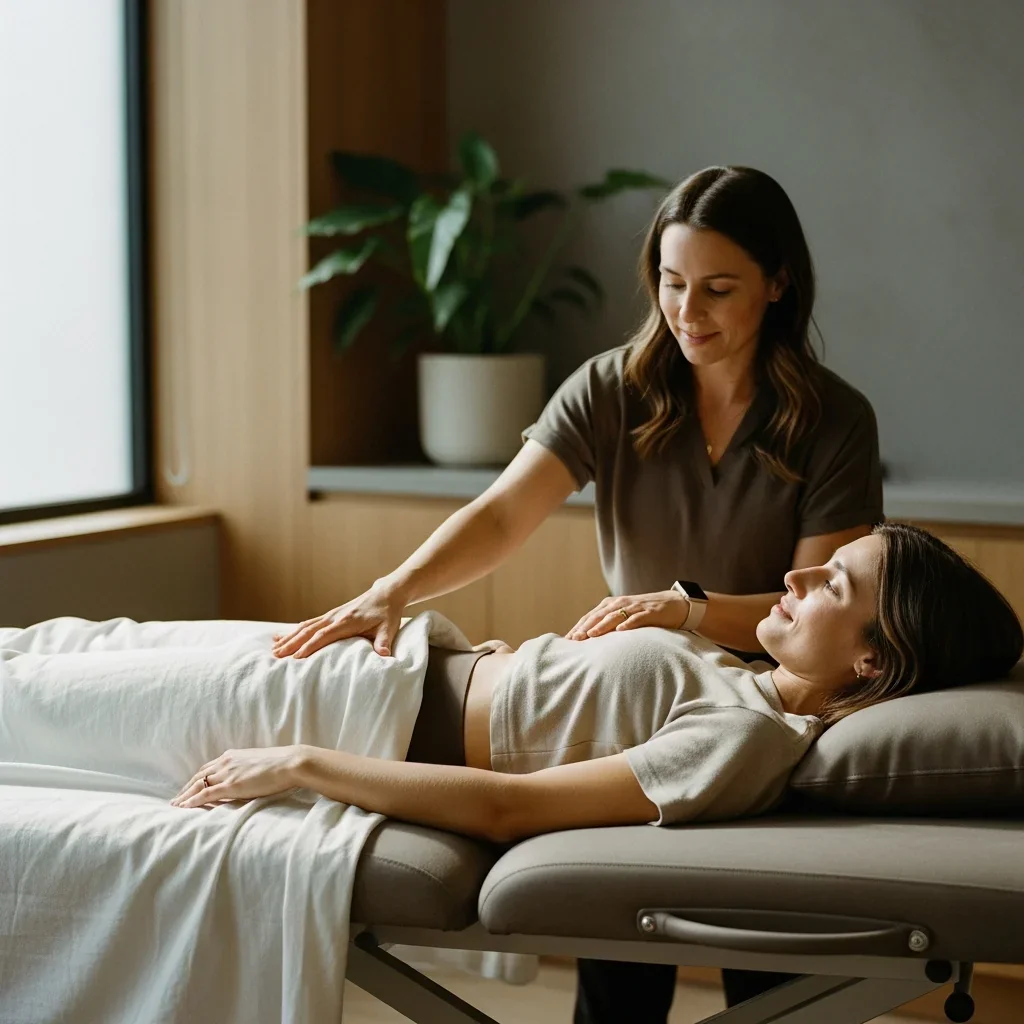
Pelvic floor disorder is weakness, damage, or dysfunction of the muscles and connective tissue that support the pelvic organs. It affects both women and men, most often after pregnancy, menopause, aging, or pelvic surgery, and causes urinary leakage, pelvic pressure, a vaginal bulge, or pain. Many cases improve with non-surgical, individualized care that targets the underlying cause.
Understanding Pelvic Floor Disorder
Answer: A pelvic floor disorder occurs when the muscles and connective tissue that support the pelvic organs become weak, damaged, or uncoordinated, causing urinary or fecal incontinence, pelvic organ prolapse, pelvic pain, or discomfort during intercourse. The drivers are usually structural and hormonal.
The pelvic floor is a hammock of muscle and connective tissue stretched between the pubic bone and tailbone. It holds the bladder, uterus, and rectum in place and controls when you release urine and stool. When that support stretches, tears, or loses tone, the organs above it shift and the symptoms begin.
These are not conditions you simply have to live with. The National Institutes of Health estimates that pelvic floor disorders affect about one in three women in the United States, and prevalence rises sharply with age, yet fewer than half of affected women raise the issue with a provider. Identifying the specific cause is the first step toward effective, individualized treatment.
What causes pelvic floor disorders?
Answer: The most common causes are pregnancy and childbirth, declining estrogen at menopause, chronic strain or excess weight, normal age-related tissue changes, and prior pelvic surgery. Most patients have more than one contributor.
Pregnancy and vaginal delivery stretch or tear pelvic tissue, and weakness can appear immediately or years later. At menopause, falling estrogen reduces collagen and elasticity throughout the pelvic region, a primary contributor to prolapse and incontinence in mid-life. Chronic coughing, constipation, heavy lifting, and excess body weight load the pelvic floor over years, while normal aging lowers muscle tone. Surgery on the uterus, bladder, or rectum can damage supporting nerves and tissue. Because the causes overlap, a thorough history and physical examination matter more than guessing.
How is a pelvic floor disorder diagnosed?
Answer: Diagnosis begins with a symptom history and a physical examination of pelvic muscle strength and organ position. A provider may add a bladder diary, post-void residual measurement, or, in select cases, urodynamic or imaging tests.
The exam assesses how well you can contract and relax the pelvic floor, whether organs have descended, and where pain originates. Mapping symptoms to specific structures separates stress incontinence from urge incontinence, and prolapse from muscle dysfunction, because each responds to a different treatment. Cleveland Clinic notes that pelvic floor dysfunction is diagnosed through history and a physical exam, with additional testing reserved for unclear or complex cases.
What are the treatment options for pelvic floor disorders?
Answer: Treatment ranges from conservative measures like pelvic floor physical therapy and lifestyle changes to hormone optimization, regenerative injections, and tissue-restoring procedures. Surgery is reserved for cases that do not respond to conservative care.
The right plan depends on the underlying cause. Estrogen-driven tissue thinning responds to hormone replacement therapy, which rebuilds collagen and elasticity from within. Regenerative and tissue-supporting options such as the Intimate Wellness PRP and vaginal rejuvenation target tone, sensation, and support without surgery. Many patients combine approaches.
| Treatment | How it works | Often best for |
|---|---|---|
| Hormone replacement therapy | Restores estrogen to rebuild collagen and tissue elasticity | Post-menopausal tissue thinning, dryness, and weakening support |
| Intimate Wellness PRP | Uses platelet-rich plasma to stimulate tissue regeneration | Stress incontinence and reduced tone or sensation |
| Vaginal rejuvenation | Non-surgical tightening and tissue restoration | Laxity, mild prolapse symptoms, and stress incontinence |
| Pelvic floor physical therapy | Retrains and strengthens the pelvic muscles | Weak or uncoordinated muscles and mild dysfunction |
How does menopause and hormone decline contribute?
Answer: Declining estrogen at menopause reduces collagen production and tissue elasticity throughout the pelvic region, progressively weakening the support that holds the bladder, uterus, and bowel in place.
This is why pelvic floor symptoms so often appear or worsen in mid-life. Estrogen receptors line the vaginal, urethral, and bladder tissues, so when levels drop, those tissues thin and lose resilience. Restoring estrogen to physiologic levels can improve tissue quality as part of a broader plan, which is why hormonal assessment belongs in any thorough pelvic floor evaluation.
Are pelvic floor disorders reversible?
Answer: Many mild to moderate cases improve substantially when the structural and hormonal drivers are addressed, while advanced prolapse may need more intensive support. Outcomes are best when treatment begins early.
The pelvic floor is living tissue that responds to the right inputs: stronger muscles, restored hormones, and reduced mechanical strain. Progress is usually gradual rather than instant, and a sustainable plan matters more than a single intervention. Setting realistic expectations against the cause and severity helps patients judge whether a plan is working.
When should you see a provider?
Answer: Seek evaluation if urine leakage, pelvic pressure, a vaginal bulge, or pain during intercourse interferes with daily activities, exercise, or intimacy. Early assessment identifies the cause and the most suitable treatment.
Many people delay care out of embarrassment or the belief that symptoms are an unavoidable part of aging or childbirth. They are not. Care for pelvic floor disorder is led by Chief Medical Director Dr. Dawn Ericsson, MD, a board-certified OB/GYN, and a thorough evaluation connects pelvic health to hormonal and metabolic function rather than treating it in isolation. You can book an appointment to start with a comprehensive assessment.
Common symptoms
Symptoms evaluated at AgeRejuvenation include:
How we treat pelvic floor disorder
Care plans are personalized to the root cause. Treatments include:
- Intimate Wellness PRP: Intimate Wellness PRP uses platelet-rich plasma drawn from your own blood to stimulate tissue regeneration in the vaginal and pelvic region, supporting improved tone, sensation, and urinary control without surgery.
- Vaginal rejuvenation: Vaginal rejuvenation strengthens and restores pelvic and vaginal tissue through non-surgical techniques that improve elasticity and support, addressing laxity, mild prolapse symptoms, and stress incontinence.
- Hormone replacement therapy: Declining estrogen is a primary structural driver of pelvic floor dysfunction after menopause. Hormone replacement therapy restores estrogen to improve tissue elasticity, increase collagen production, and strengthen the pelvic floor from within, customized to your hormonal profile.