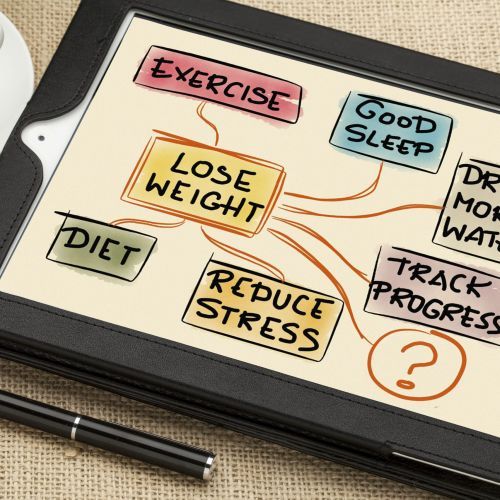
Diet plan success comes from consistent, sustainable habits rather than crash dieting. Aim to lose 1 to 2 pounds a week, fill half your plate with vegetables, control portions, and plan ahead for social gatherings so you never arrive hungry. Pair healthy eating with activity, and seek medical support if steady effort stalls.
Take charge of your diet and finally lose those excess pounds. The right habits, repeated day after day, can make a real difference on the scale. This guide walks through simple, proven moves you can start using at your next meal, plus answers to the questions people ask most about sticking to a diet.
What is the secret to successful dieting?
The real secret is consistency, not perfection. Lasting results come from small, repeatable habits you can keep for life, such as filling half your plate with vegetables and watching portion sizes, rather than from crash diets you abandon in a week.
Mayo Clinic experts note that the best way to lose weight and keep it off is to make lasting lifestyle changes, including eating a balanced diet and moving more each day, as outlined in their proven strategies for weight-loss success. That mindset is the foundation of every tip below. When you treat eating well as a daily routine instead of a temporary punishment, the pounds tend to follow. If you have tried diet after diet without progress, a structured plan guided by clinicians, such as our physician-supervised medical weight loss program, can add accountability and medical insight that going it alone often lacks.
How much weight can you safely lose each week?
A safe, sustainable pace is about 1 to 2 pounds per week. These tips can make a 2 to 3 lb. difference each week when you apply them consistently, and steady loss at this rate is far easier to maintain than rapid drops.
Setting realistic goals matters. According to Mayo Clinic, aiming to lose 1 to 2 pounds a week generally means burning roughly 500 to 750 calories more than you take in each day. Faster weight loss often comes from water and muscle rather than fat, and it is harder to keep off. The Centers for Disease Control and Prevention also describes healthy weight loss as a gradual, steady process built on lasting habits rather than quick fixes. Patience here is not just kinder to your body, it is what makes the results stick.
Smart tips for diet plan success
Social gatherings and busy days are where good intentions usually fall apart. A little planning goes a long way. Try these practical moves:
Avoid showing up at gatherings hungry, making it easier to decline food without asking for an alternative.
Plan ahead and bring healthy options to a social gathering.
Look for healthy choices, such as fruits and vegetables, among the foods being offered.
Pay special attention to portion sizes. Make an effort to fill half of the plate with vegetables if possible, and leave the bread in the basket and the dessert on the dessert table.
These habits work because they remove willpower from the equation in moments when willpower is weakest. When the healthy choice is already in front of you, the right decision becomes the easy one.
Why does filling half your plate with vegetables work?
Vegetables are low in calories and high in fiber and water, so they fill you up on fewer calories. Building meals around them naturally crowds out heavier, calorie-dense foods without leaving you hungry.
Fiber is the key player here. It slows digestion and helps you feel full longer, which makes it easier to stop eating before you overdo it. Harvard nutrition researchers recommend making vegetables and fruits a large share of every meal, a simple visual guide captured in the Healthy Eating Plate model. Whole, plant-based foods also deliver vitamins and minerals that processed snacks lack. The bread basket and dessert table, by contrast, pack a lot of calories into small portions, which is exactly why leaving them aside helps.
How do you avoid overeating at parties and gatherings?
The most effective move is to arrive with a plan and a partly full stomach. Eat a light, protein-rich snack beforehand, scan the table for vegetables and lean options first, and decide on your portions before you start filling a plate.
Showing up hungry sets you up to grab whatever is closest, which is rarely the healthiest choice. Bringing a dish you know fits your plan guarantees at least one good option will be there. It also helps to slow down and eat mindfully, paying attention to each bite so you notice when you are satisfied. Federal nutrition guidance offers reduced-calorie menus and practical strategies for success that make planning meals around real-world situations easier.
Does diet alone control your weight?
Diet is the biggest lever for weight loss, but it works best alongside movement, sleep, and stress management. Pairing healthy eating with regular activity protects muscle and helps keep the weight off long term.
You can lose weight through diet alone, yet adding physical activity makes the process easier and more durable. The Society of Behavioral Medicine emphasizes changing both eating and activity patterns together for the best results. Sleep and stress matter too, because poor sleep and high stress can drive cravings and emotional eating. If stubborn pounds persist despite your best efforts, an underlying issue may be at play. Unexplained or hard-to-shift weight gain can stem from hormones, metabolism, or other medical factors that a clinical evaluation can uncover.
When should you get medical support for weight loss?
Consider professional help if you have tried sensible diet changes for several months without results, have a significant amount to lose, or have a health condition that complicates dieting. A medical team can identify barriers and tailor a safe plan to you.
Self-directed diets work for many people, but they are not the only path. Clinicians can test for hormonal and metabolic factors, set realistic targets, and monitor your progress over time. Age Rejuvenation offers a full range of weight loss services designed to support steady, healthy change with medical oversight. The point is not to replace good habits but to strengthen them with expertise, accountability, and tools you may not have access to on your own.
Frequently Asked Questions
What is the secret to successful dieting?
There is no single trick. Success comes from consistent, sustainable habits, such as controlling portions, building meals around vegetables, planning ahead for tempting situations, and pairing healthy eating with activity. Small changes you can keep for life beat strict diets you cannot maintain.
How much weight can I safely lose in a week?
Most experts recommend losing about 1 to 2 pounds per week. This steady pace is more sustainable and easier to maintain than rapid weight loss, which often comes from water and muscle rather than fat and tends to return quickly.
How can I stop overeating at social gatherings?
Do not arrive hungry. Eat a light, filling snack beforehand, bring a healthy dish you can rely on, choose vegetables and lean options first, and watch your portion sizes. Planning ahead removes the pressure to make good choices on the spot.
Why are vegetables so important on a weight-loss plan?
Vegetables are low in calories yet high in fiber and water, so they help you feel full while eating less. Filling half your plate with them naturally limits room for heavier, calorie-dense foods without leaving you hungry.
Do I need to exercise to lose weight on a diet?
You can lose weight through diet alone, but adding regular physical activity makes it easier and helps protect muscle. Movement, along with good sleep and stress management, supports lasting results and overall health.
Results may vary by individual, so consult your doctor today and see if this is right for you.
Ready to take the next step?
Talk with the AgeRejuvenation team about a Medical Weight Loss plan built around your labs and goals.