Eating well and exercising but still tired, foggy, or gaining weight? Your thyroid may be to blame. This small neck gland sets your metabolism, and when it runs too slow or too fast it disrupts energy, mood, and weight. Learn the warning signs, the common causes, and why a simple TSH blood test is the smartest next step.
So, you eat healthy and work out regularly. That is great, and it matters. Yet you may still feel tired, foggy, or stuck at a weight that will not budge. When clean habits do not deliver the results you expect, the problem may not be your effort at all. Your thyroid may be to blame.
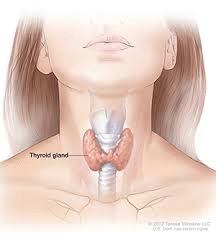
The thyroid is a small, butterfly-shaped gland at the base of your neck, just below the Adam's apple. Despite its size, it acts like the thermostat for your whole body. It releases hormones that set the pace of your metabolism, which is the speed at which your cells turn food into energy. When that pace drifts too slow or too fast, you feel it everywhere.
What does the thyroid actually do?
The thyroid makes two main hormones, T4 and T3, that reach nearly every cell in the body. According to the National Institute of Diabetes and Digestive and Kidney Diseases, these hormones help control how fast you burn calories, how warm you feel, and how steadily your heart beats. In short, the gland sets your body's idle speed.
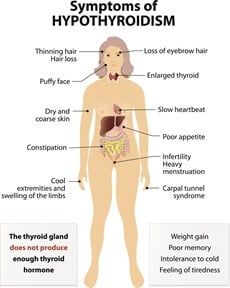
Thyroid trouble usually falls into two camps. An underactive thyroid (hypothyroidism) makes too little hormone, so your metabolism slows down. An overactive thyroid (hyperthyroidism) makes too much, so everything speeds up. Both can throw your energy, mood, and weight off balance, which is why so many people chase the wrong fix for months. A focused approach to ongoing care that keeps thyroid hormone levels balanced often makes the difference once a problem is found.
What are the early warning signs of a thyroid problem?
The most common early signs of a thyroid problem are unexplained fatigue, weight changes, mood shifts, and feeling unusually cold or hot. These symptoms creep in slowly, so they are easy to blame on stress or aging. The clue is when healthy habits stop moving the needle.
When the gland slows down, the Cleveland Clinic notes that hypothyroidism often shows up as tiredness, weight gain, sensitivity to cold, dry skin, thinning hair, constipation, and a low mood. You may also notice slower thinking or trouble remembering things. Because the change is gradual, many people simply learn to live with it.
When the gland speeds up, the picture flips. The National Library of Medicine reports that hyperthyroidism can cause unexplained weight loss, a fast or irregular heartbeat, heat sensitivity, sweating, shaky hands, trouble sleeping, and feelings of anxiety or irritability. Either direction is worth checking, because the symptoms overlap with so many other conditions.
Can your thyroid cause weight gain?
Yes, an underactive thyroid can cause weight gain because low hormone levels slow your metabolism, so you burn fewer calories at rest. The gain is usually modest and tied to fluid as well as fat, but it can feel impossible to reverse with diet and exercise alone.
This is one of the most frustrating parts of thyroid trouble. You could be doing everything right and still see the scale climb, most often weight gain that does not match your effort. Treating the underlying gland, rather than just cutting calories harder, is what finally lets your metabolism respond again. Because thyroid changes touch so many systems at once, they fall under the broader umbrella of conditions tied to an underperforming thyroid that deserve a proper workup.
What causes thyroid problems?
Most thyroid problems are caused by autoimmune disease, where the immune system mistakenly targets the gland. According to the Mayo Clinic, the leading cause of an underactive thyroid is Hashimoto's disease, an autoimmune condition that slowly reduces hormone output. Other causes include thyroid surgery, radiation treatment, certain medicines, inflammation of the gland, and getting too little iodine.
Risk also runs in families. You are more likely to develop a thyroid condition if a close relative has one, if you have another autoimmune disease such as type 1 diabetes, or if you have been treated for a thyroid issue before. Women are affected far more often than men, which is why thyroid screening is a routine part of women's hormone care.
Why thyroid symptoms get missed
Thyroid symptoms hide in plain sight. Fatigue, low mood, weight changes, and brain fog are all easy to write off as a busy life or normal aging. The American Association of Clinical Endocrinology points out that unexplained changes in weight, mood, and memory are common red flags that something deeper is going on.
That overlap is exactly why testing matters. A symptom that seems small on its own can look very different when grouped with three or four others. Tracking what you feel, and for how long, gives your care team a clearer starting point.
How is a thyroid problem diagnosed?
A thyroid problem is usually diagnosed with a simple blood test that measures thyroid-stimulating hormone, or TSH. The result tells your provider whether the gland is working too slowly, too fast, or just right, and follow-up tests can pinpoint the cause.
The American Thyroid Association describes TSH testing as the primary screening tool for thyroid function. Because the test is quick and widely available, there is little reason to keep guessing. Ongoing thyroid care lives within our broader women's hormone health services, where lab results guide a plan built around your symptoms rather than a one-size-fits-all dose. Results vary by individual, so personalized testing and follow-up are the only way to know what is right for you.
Frequently Asked Questions
What are the first signs that my thyroid is struggling?
The earliest signs are often subtle: lingering fatigue, unexplained weight gain or loss, feeling cold or hot more than usual, dry skin, and mood changes. Because these build slowly, the biggest clue is when good diet and exercise habits stop producing the results you expect.
Can thyroid problems cause anxiety and depression?
Yes. An underactive thyroid is commonly linked to low mood, sluggish thinking, and depression, while an overactive thyroid can trigger anxiety, restlessness, and irritability. Mood symptoms that appear alongside changes in weight, sleep, or energy are worth discussing with a provider and confirming with a blood test.
Are thyroid problems more common in women?
Thyroid conditions occur far more often in women than in men, and risk rises with a family history of thyroid or autoimmune disease. This is why thyroid screening is frequently included in routine women's hormone evaluations, especially around menopause when hormone shifts can mask or mimic thyroid symptoms.
What habits can affect my thyroid?
Iodine intake matters, since the gland needs iodine to make hormones, and both too little and too much can cause trouble. Certain medicines and high, ongoing stress can also influence thyroid function. The most useful habit is testing when symptoms appear rather than guessing, because lifestyle changes alone rarely fix a true hormone imbalance.
How long does it take to feel better after treatment?
Once the right approach is identified, many people start noticing more steady energy and mood within a few weeks, though it can take several months to fine-tune. Treatment is highly individual, so regular follow-up and repeat testing help confirm that hormone levels are settling into a healthy range.
Do not let your life be slowed down by something you can have checked and managed. If your thyroid may be to blame, the next step is a conversation with your care team and a simple test to find out for sure.
Ready to take the next step?
Talk with the AgeRejuvenation team about a Thyroid Support plan built around your labs and goals.