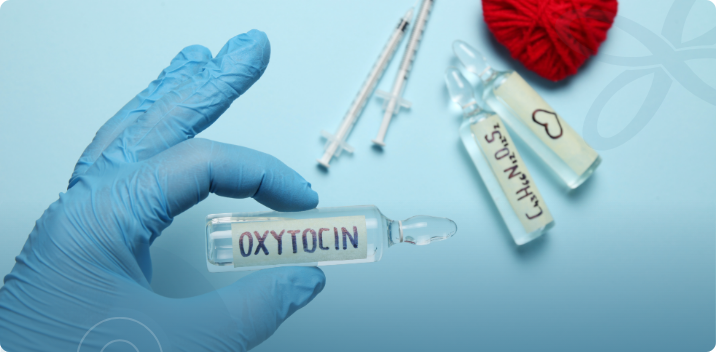
Oxytocin therapy for men works mainly on stress and brain chemistry, helping ease performance anxiety and deepen connection so erections, desire, and intimacy come more easily. It is not a standalone fix but one piece of a personalized plan alongside hormone and ED care. Given as a nasal spray or injection under medical guidance, side effects are usually mild when dosing starts low.
When we talk about oxytocin injection benefits for men, we are really talking about much more than a "love hormone" linked to romance or childbirth. In real life, this small peptide can influence sexual performance, emotional connection, stress levels, and how safe and relaxed the body feels in intimate moments.
At AgeRejuvenation, we often meet men whose blood work looks fine, yet they still struggle with erectile dysfunction, low desire, or feeling shut down with their partner. For some of them, oxytocin works as a connection peptide for men whose challenges are tied to stress and brain chemistry as much as to circulation or testosterone. Used inside a thoughtful plan, it can help restore both function and closeness.
What Is Oxytocin, and How Does It Work in Men?
Oxytocin is a hormone your body makes that also acts as a brain messenger, shaping bonding, stress, and parts of sexual function at the same time. In men it helps coordinate the smooth muscle activity tied to orgasm while calming the nervous system enough for arousal to take hold.
Most men never think about oxytocin unless a problem shows up in the bedroom or in their relationships. Before looking at how treatment works, it helps to understand what this hormone actually does in the male body and why it matters for both physical function and emotional connection.
Oxytocin Basics: More Than a Love Hormone
Oxytocin is a short chain of amino acids that the brain makes naturally. It travels through the bloodstream and also acts in the brain as a chemical messenger, which means it can influence the body and the way you feel at the same time.
In men, oxytocin helps coordinate several systems at once. The Cleveland Clinic notes that oxytocin contributes to ejaculation in males by acting on smooth muscle, and it interacts with brain regions that handle trust, bonding, and stress. When oxytocin levels are healthy and receptors are responsive, many men find it easier to relax into intimacy, notice their partner's cues, and stay present instead of getting stuck in worry. This emotional and physical overlap is exactly why a thoughtful approach to oxytocin therapy for erectile dysfunction can matter for the right candidate.
Brain, Stress, and the Body's "Brake Pedal"
For sexual arousal to happen, the nervous system needs to shift out of constant fight-or-flight mode. Oxytocin gently encourages this shift toward a calmer state that supports erections, pleasure, and emotional openness.
Men who live with constant pressure at work or at home may have a stress system that is always on. Over time, that can dull natural oxytocin responses and make it harder to feel connected. Research in the male reproductive tract shows oxytocin is produced and active in several tissues beyond the brain, which helps explain its wide reach. In selected cases, carefully guided treatment is one way to support that reset.
How Do Oxytocin Injections Support Sexual Function and Intimacy?
Oxytocin therapy may help by easing the stress response and shifting the brain toward safety and closeness, which can indirectly support erections, desire, and presence. It is often discussed alongside erectile dysfunction, but the effect is broader because it targets the emotional layer of performance, not just blood flow.
This is why the therapy can be useful when physical and emotional factors overlap. For men whose symptoms are rooted in worry as much as biology, that combined effect is often the missing piece.
Erectile Function, Performance Anxiety, and Confidence
Not all erectile problems are driven by circulation alone. For many men, the main barrier is anxiety or fear of failing in the moment. Oxytocin can support erections indirectly by easing the stress response and helping the brain shift attention away from self-doubt and back to connection. Animal research has shown that systemic oxytocin can influence the timing of male sexual activity, which supports the idea that the hormone plays a real role in this process.
Men who respond well often describe feeling more at ease before and during intimate moments. They may still use other treatments, such as standard ED medications or shockwave therapy, but oxytocin adds another layer by targeting the emotional side of performance. If anxiety or recurring difficulty is part of your story, it can help to explore the full picture of what drives erectile dysfunction so the plan fits the real cause.
Desire, Presence, and Emotional Closeness
Another way this peptide may help is by making it easier to feel present instead of emotionally distant. Many men share that before starting treatment, they felt disconnected or "on autopilot" during sex. With the right protocol, they often notice a gradual increase in desire, greater warmth toward their partner, and a more shared sense of satisfaction.
Mood, Stress Relief, and Life Beyond the Bedroom
Because oxytocin interacts with mood and stress pathways, some men also notice they are more patient with loved ones and less reactive during conflict. Harvard Health points out that low oxytocin has been linked with low mood, which is one reason the hormone draws interest beyond sexual health.
At AgeRejuvenation, oxytocin is never used as a standalone mental health treatment. It is one piece of a plan that also considers sleep, hormones, and daily habits.
How Does AgeRejuvenation Use This Connection Peptide in a Personalized Plan?
Oxytocin works best when it is part of a tailored approach, not a quick fix. Our providers listen to your story, review your health history, and use lab testing to understand hormones, metabolism, and other factors that influence sexual health and mood, so the therapy is matched to your real needs.
If your symptoms and results suggest that oxytocin could be useful, we talk through how it fits with other options, such as therapies for erectile dysfunction, hormone balancing, or peptide therapy for broader wellness goals. Our full range of treatment options within men's health means oxytocin can be combined with the right supporting therapies rather than used in isolation. Together, we decide whether oxytocin should be a regular part of your routine or used more situationally before high-stress events or intimate time with a partner. Because oxytocin is studied for several roles in the male reproductive system, having an experienced team guide oxytocin treatment helps keep expectations realistic and safe.
What to Expect From Treatment and Follow-Up
Most men begin with a conservative dose and adjust over time. Oxytocin can be given as a nasal spray or as an injection, and each method has its own advantages depending on your goals and schedule. Many patients notice early shifts in how relaxed and connected they feel, while deeper changes in relationships or confidence build gradually.
Side effects are usually mild when therapy is guided by an experienced medical team. You might notice brief nasal irritation, a mild headache, or feeling a bit more emotionally open. Follow-up visits give us a chance to adjust dosing and make sure oxytocin fits smoothly into the rest of your plan.
Frequently Asked Questions
What does taking oxytocin do for men?
For men, oxytocin can ease stress, lower performance anxiety, and support feelings of trust and closeness during intimacy. It also plays a part in the muscle activity tied to orgasm and ejaculation. Reviews of the hormone in the male reproductive tract show it acts in many tissues, which is why effects can reach both body and mood.
Does ejaculating release oxytocin?
Yes. Sexual activity and orgasm trigger a natural rise in oxytocin in men. This surge is part of what creates the feeling of relaxation and closeness many people notice afterward, and it reflects the hormone's role in bonding as well as in the physical reflexes of ejaculation.
What is the major side effect of oxytocin therapy?
When guided by an experienced medical team, oxytocin is usually well tolerated. The most common effects are mild and short lived, such as brief nasal irritation from a spray, a mild headache, or feeling more emotionally open. Dosing is started low and adjusted, which helps keep side effects minimal and manageable.
How is oxytocin given to men?
Oxytocin for men is most often provided as an intranasal spray or a subcutaneous injection, both used under medical supervision. The right method depends on your goals, schedule, and how your body responds. Many men start conservatively and refine the approach at follow-up visits with their provider.
Is oxytocin the same as testosterone therapy?
No. Testosterone replacement addresses low hormone levels and the physical symptoms tied to them, while oxytocin works mainly on stress, bonding, and the emotional side of sexual function. The two can be considered together in a personalized plan, but they target different parts of how desire and performance work.
Conclusion
For the right candidate, oxytocin injection benefits can include more reliable sexual function, deeper emotional connection, and a calmer response to daily stress. The real power of this therapy comes when it is combined with a full evaluation of your hormones, cardiovascular health, lifestyle, and relationship needs.
At AgeRejuvenation, we see oxytocin as one tool among many to help men feel better, live better, and age better. If you recognize yourself in any of the patterns described here, it may be time to ask whether this connection peptide for men belongs in your treatment plan.
You do not have to figure that out on your own. Schedule an appointment with us to talk through your concerns and design a plan that supports both your performance and your sense of connection.
Ready to take the next step?
Talk with the AgeRejuvenation team about a Oxytocin Therapy for Erectile Dysfunction plan built around your labs and goals.