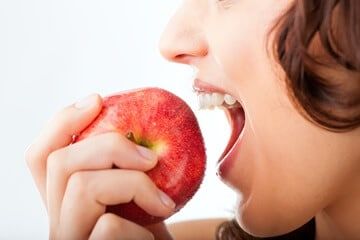
A Dutch study of 20,069 adults found stroke risk was 52% lower among those eating the most white-fleshed fruits and vegetables, like apples, pears, bananas, and cauliflower. Other colors still bring their own benefits, so eat a variety. Diet shapes blood pressure, cholesterol, and weight, making everyday food choices one of the strongest controllable tools for stroke prevention.
A recent study by Dutch researchers asked a simple question: could the color of the fruits and vegetables you eat change your stroke risk? The answer turned out to be surprising, and it puts the humble apple in the spotlight. Below, we break down what the researchers found, why white-fleshed produce may matter, and how to turn a single headline into a daily eating pattern that protects your brain and blood vessels for the long run.
What did the new stroke study actually find?
Researchers tracked 20,069 people between ages 20 and 69 who had no diagnosed heart disease or stroke at the start, recording what they ate over a one-year period. During 10 years of follow-up, 233 of these participants had a stroke. The standout result: stroke risk was 52% lower in people who ate plenty of white-fleshed fruits and vegetables compared with those who ate the least.
That kind of large, long-term observational design is exactly how scientists begin to connect everyday diet patterns with major health events. It does not prove that one apple alone prevents a stroke, but it adds to a deep body of evidence that a plant-forward diet built on vegetables, fruits, and legumes is central to stroke prevention. The findings were published in the American Heart Association journal Stroke, where the team described the link between white-fleshed fruits and vegetables and a lower 10-year risk of stroke.
Which foods count as "white" produce?
Apples are the headline food, but the white category is broader than most people expect. According to the study, other white-fleshed foods include pears, bananas, cauliflower, chicory, and cucumber. Potatoes were classified as a starch, not a white vegetable, so they did not count toward the protective group.
The researchers think a flavonoid called quercetin, abundant in apples and pears, along with high fiber content, may help explain why this color group stood out. The takeaway is practical: filling part of your plate with crisp apples, sliced pears, raw cucumber, and roasted cauliflower is an easy, low-cost habit with real upside.
Does that mean other colors do not matter?
No, and this is an important point. The study found no clear association between stroke risk and green, yellow, orange, red, or purple fruits and vegetables, but that does not make those foods unimportant. Each color group brings its own mix of vitamins, minerals, and antioxidants, and many are tied to lower rates of other chronic diseases.
In fact, leading health systems point out that produce rich in potassium, such as bananas, avocados, sweet potatoes, and cantaloupe, helps manage blood pressure, which is the single biggest controllable stroke risk factor. Mass General Brigham notes that potassium-rich foods support healthy blood pressure and may help prevent stroke. The smartest move is to eat a wide variety of colors, and simply make sure the white ones earn a regular place on your plate.
Why does diet have such a strong effect on stroke?
Most strokes are linked to factors you can influence, and diet sits near the center of nearly all of them. What you eat shapes your blood pressure, cholesterol, blood sugar, body weight, and the health of the arteries that feed your brain. Over years, those numbers either protect your vessels or quietly damage them.
The Centers for Disease Control and Prevention reports that high blood pressure, high cholesterol, diabetes, and obesity are leading risk factors for stroke, and every one of those is responsive to dietary change. A fruit and vegetable rich pattern adds fiber, potassium, and antioxidants while crowding out the excess sodium, added sugar, and saturated fat that drive vascular disease. This is why a thoughtful nutrition plan is not a side note in stroke prevention; it is one of the main levers you control.
If you want help turning research like this into a sustainable routine, working with a clinician can make the difference. Our personalized nutritional counseling for heart and brain health translates the latest science into a realistic eating pattern built around your labs, your tastes, and your goals.
How fast can a better diet lower your risk?
Some benefits arrive quickly, while others build over time. Blood pressure and blood sugar can begin to improve within weeks of steady changes, and the American Heart Association notes that managing blood pressure, cholesterol, diabetes, and weight meaningfully lowers stroke risk. The larger payoff, healthier and more flexible arteries, comes from years of consistency.
That is the encouraging part: you do not need a perfect diet to move the needle. Small, repeatable habits, like an apple with breakfast and an extra serving of vegetables at dinner, compound into a measurably lower long-term risk. A whole-body approach to longevity layers these everyday habits on top of targeted clinical support, which is the philosophy behind our broader wellness center services for healthy aging.
Turning one study into a daily habit
Here is a simple way to act on these findings without overhauling your kitchen overnight:
Keep apples and pears visible on the counter so they become your default snack.
Add raw cucumber or cauliflower to lunches a few times a week.
Pair white produce with potassium-rich colorful foods like bananas, sweet potatoes, and leafy greens.
Use fruit to replace processed, salty, or sugary snacks rather than adding it on top.
Aim for variety across the week instead of perfection on any single day.
Consistency, not intensity, is what protects your brain and blood vessels over a lifetime. So enjoy a rainbow of produce, and as the researchers would say, just do not skip the white ones.
Frequently Asked Questions
What is the best fruit to help prevent stroke?
In this Dutch study, white-fleshed fruits such as apples and pears stood out, linked to a 52% lower stroke risk in people who ate the most. Bananas were also in the white group, and they add stroke-protective potassium too. Variety still matters, so combine these with other colorful fruits.
Can eating fruits and vegetables really lower stroke risk?
Evidence strongly supports it. Large studies tie higher fruit and vegetable intake to lower stroke risk, mainly by improving blood pressure, cholesterol, blood sugar, and weight. Diet is not a cure-all, but it is one of the most powerful and controllable factors in stroke prevention over the long term.
Why are white-fleshed fruits and vegetables singled out?
Researchers believe compounds like the flavonoid quercetin, found in apples and pears, plus their fiber content, may help explain the link. The study observed the association but could not prove cause and effect, so white produce should be one part of an overall varied, balanced eating pattern.
Do other colors of produce still count?
Yes. The study found no clear stroke link for green, yellow, orange, red, or purple produce, but those foods deliver vitamins, minerals, potassium, and antioxidants tied to lower rates of other chronic diseases. Eating a wide range of colors gives you the broadest protection across your whole body.
How quickly will a better diet make a difference?
Blood pressure and blood sugar can start improving within a few weeks of consistent changes. The bigger benefit, healthier arteries and a lower long-term stroke risk, builds over months and years of steady habits. Small daily choices, repeated over time, deliver the most lasting protection.
Ready to take the next step?
Talk with the AgeRejuvenation team about a Nutritional Counseling plan built around your labs and goals.