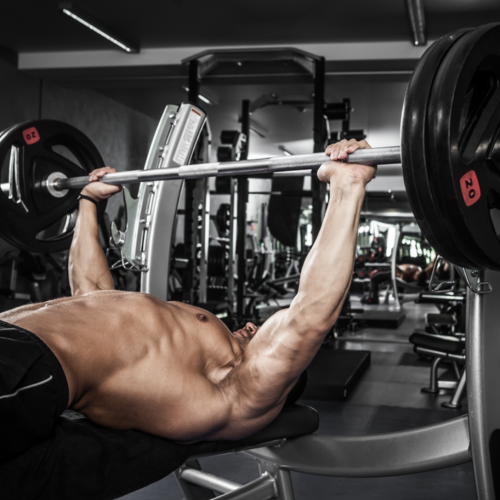
Lifting weights does raise testosterone, but mostly as a short spike that fades within about an hour after a hard session. Heavy compound lifts like squats and deadlifts drive the biggest response, and consistent training over time can support a healthier baseline. When fatigue, low libido, or stalled gains persist, a blood test and medical evaluation may be needed.
Intense strength training has been shown to have positive effects on testosterone level, this is accurate for all ages, but more so for younger individuals. This is achieved by lifting heavier weights for fewer repetitions. You can maximize this effect and your intensity of your workout by going very slowly, this allows for every fiber of your muscle to be activated further stimulating their growth, caloric burn, and testosterone production.
Does Lifting Weights Actually Increase Testosterone?
Yes. Lifting weights raises testosterone, mainly by triggering a short surge right after a hard workout. This rise is your body's natural response to muscle stress, and it helps kick off the repair and growth process. The effect is real, but the size and timing depend on how you train.
Resistance training is one of the most reliable ways to lift testosterone in the short term, according to a clinical review from Healthline. Heavy lifting with larger muscle groups creates the biggest hormonal response, which is why a tough leg day feels different from a light arm session.
How Long Does the Testosterone Spike Last?
The post-workout testosterone surge is brief. Most research shows levels rise for roughly 15 minutes to an hour after exercise, then drift back toward your normal baseline. Factors like your age, weight, and fitness level shape how big and how long that rise is, as Northwestern Medicine explains.
This short window matters for how you think about training. A single session will not permanently reset your hormone levels. The benefit comes from showing up again and again, building muscle, and trimming excess body fat over months. One study found that resistance training produces a larger testosterone increase with a slower return to baseline than other forms of exercise, based on research indexed in the NIH PubMed Central library.
What Type of Lifting Boosts Testosterone Most?
Compound movements that load big muscle groups drive the strongest hormone response. Think squats, deadlifts, bench presses, and rows. These full-body lifts recruit more muscle fibers than isolation moves like a bicep curl, so they place more demand on your system.
A few training variables tend to matter most:
Load: Heavier sets, often in the range of 70 to 85 percent of your one-rep max, are linked to a stronger response.
Volume: Working multiple muscle groups across several sets challenges the body more than a single light set.
Rest: Moderate rest between sets keeps intensity high without burning you out.
Recovery: Sleep and rest days let your body adapt instead of staying in a stressed, run-down state.
Testosterone is considered a key driver of the muscle and strength gains people seek from lifting, which is why the hormone gets so much attention, according to a PubMed overview of testosterone physiology in resistance training.
Does Age Change How Lifting Affects Testosterone?
Age does play a role, but it does not erase the benefit. Younger lifters usually see a larger spike because their baseline levels are higher to begin with. Still, older adults gain meaningfully from strength work. A classic study found that progressive resistance training could induce growth hormone and testosterone release regardless of age, even though the response in older adults was smaller, as reported in this PubMed study.
Testosterone naturally declines as men get older, typically about 1 percent a year after age 30 or 40, Mayo Clinic notes. That slow drop is why many men feel a gradual loss of energy, drive, and strength over time. Lifting helps slow that slide, but it does not always fully offset a true deficiency.
When Lifting Is Not Enough
For some men, the gym alone will not restore healthy hormone levels. Persistent fatigue, low sex drive, brain fog, stubborn weight gain, and loss of muscle despite consistent training can all be signs that something deeper is going on. These are common markers of clinically low testosterone, a condition that deserves a proper workup rather than guesswork.
A blood test is the only way to know your actual numbers. If results confirm a deficiency, lifestyle changes are still valuable, but they may need support. This is where a tailored plan from a men's health and hormone optimization team can make a real difference, pairing smart training with medical guidance.
When labs and symptoms line up, medically supervised testosterone replacement therapy can help restore levels and ease symptoms that exercise alone could not fix. The right approach depends on your goals, your bloodwork, and a careful review of risks and benefits with a qualified provider, since therapy is not appropriate for everyone.
How to Train Smart for Hormonal Health
If your goal is to support testosterone naturally, consistency beats intensity bursts. Build a routine around big compound lifts, progress your weights gradually, and prioritize recovery just as much as the workouts themselves. Crash efforts followed by burnout tend to backfire.
Lifestyle factors stack on top of training. Quality sleep, a protein-forward diet, stress control, and keeping body fat in a healthy range all influence your hormones. A structured program guided by a hormone and wellness provider for men can connect these pieces, so your effort in the gym translates into measurable results.
Frequently Asked Questions
Does lifting weights increase testosterone permanently?
Not on its own. A workout creates a short surge that fades within about an hour. Over time, though, consistent training that builds muscle and reduces excess body fat can support a healthier baseline, especially in men with borderline low levels.
How many times a week should I lift to support testosterone?
Most people do well with two to four resistance sessions a week that include compound lifts. The key is steady progression and enough recovery between sessions, since overtraining and poor sleep can blunt the benefit rather than improve it.
Do squats and deadlifts raise testosterone more than other exercises?
Squats and deadlifts load large muscle groups across the whole body, so they tend to create a bigger hormonal response than isolation moves. That is one reason heavy lower-body and full-body lifts are often recommended for strength and hormonal health.
Can women benefit from lifting for hormones?
Yes. Both men and women see hormone shifts from resistance training, though women have much lower baseline testosterone and a smaller response. Strength training still offers women major benefits for muscle, bone density, and metabolism.
When should I see a doctor about low testosterone?
If you have ongoing fatigue, low libido, mood changes, or loss of muscle despite training, talk with a provider. A blood test can confirm whether your levels are truly low and whether medical treatment alongside exercise makes sense for you.
Ready to take the next step?
Talk with the AgeRejuvenation team about a Testosterone Replacement Therapy plan built around your labs and goals.