The HCG diet pairs the pregnancy hormone HCG with a very low-calorie eating plan to drive fast weight loss while supporters aim to protect muscle. Evidence shows the calorie restriction, not the hormone, drives results, and the FDA warns against over-the-counter HCG products. Done under medical supervision, it can fit a broader, lasting weight loss strategy.
The HCG diet pairs a daily dose of the hormone human chorionic gonadotropin (HCG) with a strict low-calorie eating plan. HCG is available in injections, pellets, sprays, oral drops, and pills, and it is best known as the hormone produced by the placenta during pregnancy. Below, we walk through how the plan is designed to work, what you eat, what the research says, and how to approach it safely.
How does the HCG diet actually work?
The HCG diet combines a daily dose of HCG with a very low-calorie eating plan, and supporters believe the hormone curbs hunger so eating very little feels comfortable. HCG consists of 244 amino acids and was first linked to weight loss by Dr. ATW Simeons, a British endocrinologist, who proposed that it played a role in the way the body manages metabolism. The idea is that the hormone signals the body to draw on stored fat for energy while you eat far fewer calories than usual.
It is important to be clear about the evidence. According to Mayo Clinic, there is no proof that HCG products by themselves cause weight loss, and any pounds lost most likely come from the very low calorie intake rather than the hormone. That is why a structured, supervised approach matters more than the supplement alone, and why many people compare it against other physician-guided weight loss programs before deciding what fits their goals.
What is HCG and where does it come from?
HCG is a hormone the body can produce naturally, most notably during pregnancy, when the placenta releases it in large amounts. Outside of pregnancy, lab-made HCG is regulated as a prescription medicine. The U.S. Food and Drug Administration has approved prescription HCG for certain fertility uses, but it has warned consumers to avoid over-the-counter HCG weight-loss products, including the oral drops, pellets, and sprays often marketed as homeopathic. Knowing that distinction helps you separate a legitimate, supervised medical plan from unregulated products sold online.
Because hormone imbalance is so often tangled up with stubborn weight, addressing the underlying picture can matter as much as any single hormone. Persistent, hard-to-explain weight gain that resists ordinary dieting is one of the most common reasons people seek a clinical evaluation rather than another do-it-yourself plan.
HCG Diet and Muscle
One reason supporters favor HCG injections over crash dieting is the goal of holding on to lean muscle. During rapid, low-calorie weight loss, the body tends to break down muscle along with fat, and supporters of the HCG protocol believe the hormone helps tilt the body toward preserving muscle while you diet.
This matters because muscle loss works against your long-term results. Muscle is metabolically active tissue, so when you lose it, your resting metabolism slows, which makes it easier to regain weight later. As WebMD explains, the dramatic short-term drop on the HCG plan is driven by the very low-calorie diet, so protecting muscle and rebuilding healthy habits is what keeps results from rebounding. A thoughtful plan focuses on losing fat, not just lowering the number on the scale.
What Can You Eat On An HCG Diet?
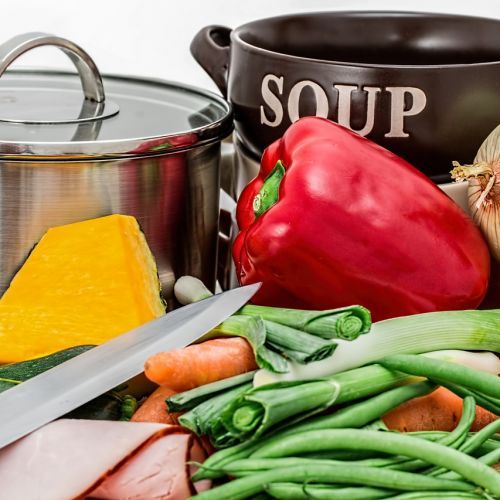
Because the calorie target is so low, the HCG diet substantially restricts fat and tightly limits portions. A typical plan emphasizes:
Fruits such as oranges, strawberries, apples, and red grapefruit.
Nonstarchy vegetables like lettuce, celery, cabbage, cucumbers, onions, and tomatoes.
Lean proteins including chicken breast, lean ground beef, shrimp, lobster, and white fish.
These choices follow the original Dr. Simeons protocol, which leans on a roughly 500-calorie framework. Eating plans this restrictive should be supervised, because very low calorie intake can leave you short on vitamins and minerals. The Academy of Nutrition and Dietetics cautions that fast-acting fad diets rarely produce lasting results and can backfire once normal eating resumes, which is exactly why structure and follow-up matter.
HCG Diet Recipes
Here at ageRejuvenation, we have tons of HCG diet recipes that can help you create wonderful meals for breakfast, lunch, and dinner that are healthy, delicious, and easy to make. Check out our HCG recipes today.
Pumpkin Protein Pancakes, a protein-packed breakfast that still tastes like a treat.
Zucchini Cakes with Salmon, a healthy and filling HCG-friendly option.
Low Carb Egg Curry, a simple low-carb recipe you can rotate into your week.
What results can you expect on the HCG diet?
Most weight loss on the HCG diet comes quickly because the calorie intake is very low, often in the 500 to 800 calorie range, which produces fast short-term results that are not always sustainable. Patients frequently report reduced hunger, which makes the small portions easier to tolerate. Keep your expectations grounded: the long-term win is keeping fat off, not just dropping pounds in a few weeks.
That is where ongoing support pays off. Sustainable weight management usually combines a balanced eating pattern, regular activity, and professional guidance, an approach echoed by the National Institute of Diabetes and Digestive and Kidney Diseases. Folding a short-term plan into a broader set of weight loss services helps you transition from rapid loss to lasting habits without rebounding.
Is the HCG diet safe?
The HCG diet carries real considerations that you should review with a clinician before starting, especially because of how few calories it allows. Very low-calorie diets can raise the risk of gallstones, nutrient deficiencies, fatigue, and electrolyte changes, and over-the-counter HCG products are not FDA approved for weight loss. None of that means weight loss is out of reach. It means the plan belongs under medical supervision, where labs, history, and underlying issues like hormone or thyroid problems can be factored into a plan built for you.
HCG Diet at ageRejuvenation
Remember that results may vary by individual. If you have questions about how the HCG diet works, our team can help you decide whether it fits your goals or whether another medically supervised option makes more sense. We have plenty of resources to help you along your weight loss journey, so reach out to learn more about diets, recipes, and the support that keeps results lasting.
Frequently Asked Questions
What foods can I eat on the HCG diet?
The HCG diet centers on lean proteins (chicken breast, white fish, shrimp, lean beef), nonstarchy vegetables (lettuce, celery, cucumber, cabbage, tomato), and select fruits such as apples, strawberries, and grapefruit. Fats, oils, sugar, and most starches are heavily restricted because daily calories are kept very low.
Is HCG the same as Ozempic?
No. HCG is human chorionic gonadotropin, a pregnancy hormone used alongside a low-calorie diet. Ozempic contains semaglutide, a GLP-1 medication that works through different pathways to reduce appetite and improve blood sugar. They are separate approaches, and a clinician can explain which category, if any, suits your situation.
How much weight can you lose on the HCG diet?
Reported weight loss tends to be rapid because the eating plan is very low in calories. Most of that early drop reflects the calorie restriction rather than the hormone itself. A safer long-term pace is generally about one to two pounds per week, which is why follow-up and habit change matter for keeping the weight off.
Does the HCG diet protect muscle?
Supporters of the HCG protocol believe the hormone helps preserve lean muscle during rapid weight loss, which is a frequent selling point versus crash dieting. The most reliable way to protect muscle on any low-calorie plan is adequate protein, supervision, and a gradual return to normal eating, so loss focuses on fat.
Is the HCG diet safe?
The HCG diet should be done under medical supervision because of its very low calorie intake, which can lead to gallstones, fatigue, and nutrient gaps. Over-the-counter HCG weight-loss products are not FDA approved. A clinical evaluation helps determine whether the plan, or a different option, is appropriate for you.
Ready to take the next step?
Talk with the AgeRejuvenation team about a Medical Weight Loss plan built around your labs and goals.